The pitfalls of fantasy booking: Why fans miss the mark on heel turns
The friction between fan projection and character arc
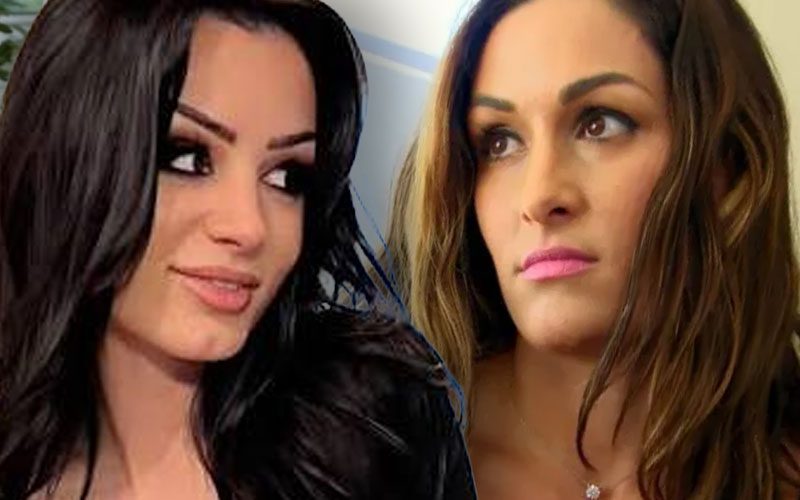
Professional wrestling fandom operates on a peculiar logic where everything is a breadcrumb leading to a major swerve. When stars like Nikki Bella make a television return, the collective internet immediate begins drafting manifestos about inevitable heel turns. This obsession with subverting expectations often ignores the actual narrative utility of a character returning in a babyface capacity.
Paige recently addressed this phenomenon on social media, dismissing the incessant speculation regarding a Nikki Bella heel turn following a recent SmackDown appearance. While some followers were convinced the return signaled a shift in alignment, Paige chose to focus on the technical error in the fan's post rather than entertaining the hypothetical booking. It serves as a reminder that not every comeback requires a cynical betrayal to be impactful.
Predictability versus narrative tension
The desire for a heel turn often acts as a placeholder for a perceived lack of excitement. Because viewers have grown accustomed to the 'shock' factor defining the product, they struggle to value a straight-faced return meant to reinforce a roster's standing. Fan-driven booking often demands a change in status quo simply because the current one feels familiar.
However, the execution of such a move requires precise timing. If we look at the history of high-profile returns, the most effective ones are those that serve a specific goal. A heel turn meant solely to produce a reaction is destined to fail if it lacks a coherent motive. When fans insist on these pivots, they risk undermining a character's ability to drive ticket sales and viewership from their established position of strength.
The danger of ignoring character consistency
Analysis of recent segments reveals that fans often ignore the logistical reality of the locker room. Just as Tottenham is currently managing the volatile expectations surrounding young talents like Lucas Bergvall, promotion companies have to weigh the cost of shifting a star's trajectory. A poorly timed turn can leave a performer without an effective foil, rendering the maneuver pointless within weeks.
Critics often ignore the simple fact that a popular performer needs time to re-establish their presence before any deviation is worth the effort. The knee-jerk reaction to predict malice in every return is not insightful; it is merely an exercise in cynical habit. It reflects a viewer interest in the machinery of the show rather than the story being presented on the screen.
Critiquing the booking philosophy
This creates a genuine problem for creative teams. If segments are designed to be straightforward, they are labeled boring; if they contain twists, they are labeled predictable. The frustration directed at performers when they fail to confirm a fan hypothesis is a flaw in the viewer's approach, not the show's intent.
For instance, Ipswich Town's recent roster moves demonstrated the necessity of tactical patience. Just as a club identifies a specific need for pace to stabilize a squad, a wrestling promotion needs a character to fill a specific role for a duration of months. Flipping that character's alignment just to satisfy social media conspiracy theories destabilizes the show's pacing. The most disciplined analysts recognize that the best booking decisions are the ones that serve the mid-term trajectory of the brand, not the immediate impulses of the audience.
Squared Circle Myths: Wrestling's Greatest Lore
Dive deep into the urban legends and hidden secrets of the squared circle.
Frequently Asked Questions
Why do wrestling fans frequently predict heel turns for returning stars?
How did Paige respond to speculation about Nikki Bella's heel turn?
What is the risk of booking a heel turn purely for shock value?
How can a poorly timed heel turn harm a wrestler's narrative arc?
Why does fantasy booking create challenges for wrestling creative teams?
More Coverage

AAA and WWE are officially colliding and the internet is losing its mind
9 minutes ago
Dominik Mysterio is playing a dangerous game in AAA
12 minutes agoAEW's booking leaves fans screaming into the void
41 minutes ago
Shayna Baszler and Zoey Stark RevPro appearance signals major free agency moves
2 hours agoTop 10: Top Moments
2 hours agoTop 10: Top Moments
3 hours agoMore Analysis
Brie Bella and Paige team-up was a desperate scramble, not a masterpiece
1 month, 4 weeks ago
Booking by reaction: The structural failure of WWE's mid-2010s pivot
1 month, 4 weeks ago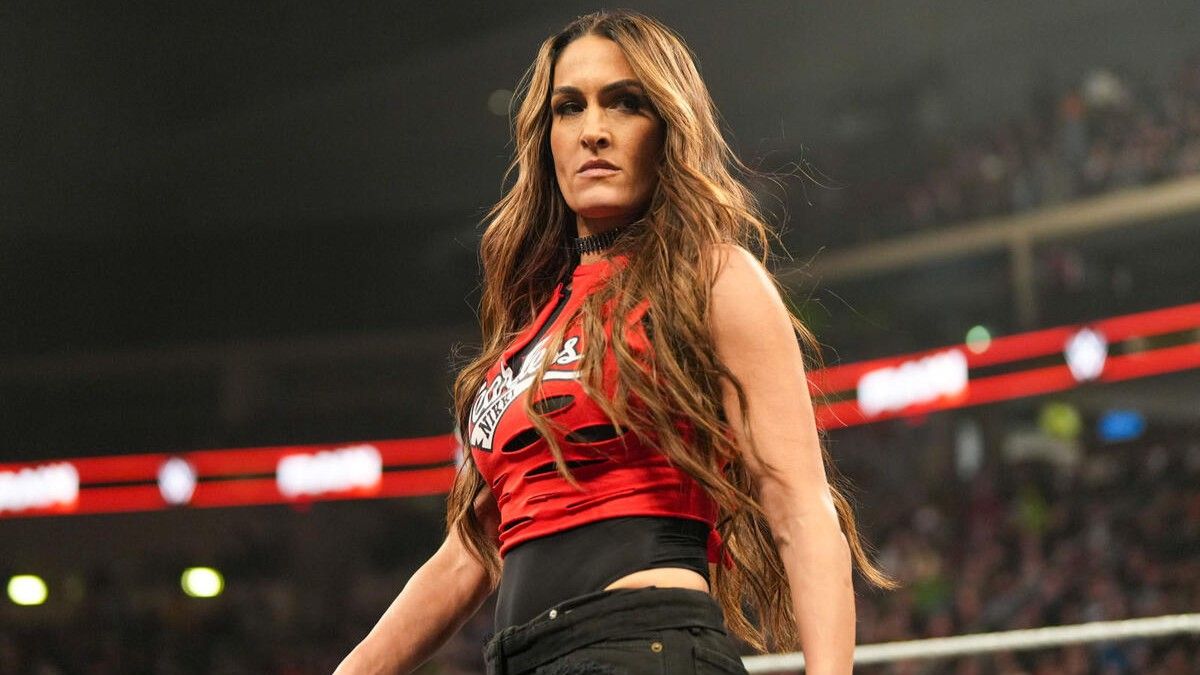
Nikki Bella’s final act demands a heel turn
2 months, 4 weeks ago
Nikki Bella’s WrestleMania walk is a masterclass in carny kayfabe
3 months ago
Nikki Bella wants a comeback in Paris and the internet is losing its collective mind
1 month, 1 week ago