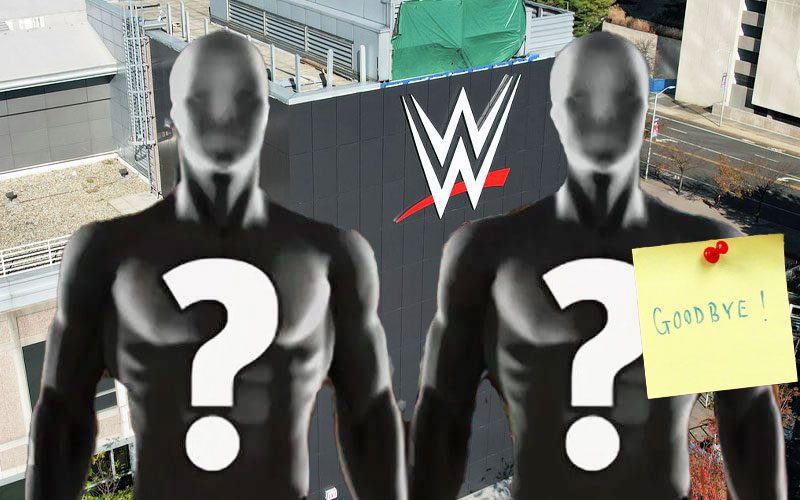
WWE's push into generative AI is a fundamental misunderstanding of wrestling

The friction between algorithmic efficiency and pro wrestling canvas
Pro wrestling does not exist in a vacuum of clean lines, predictive algorithms, or sanitized automation. It relies on sweat, human timing, imperfect acoustics, and spontaneous crowd interactions. Yet WWE management is actively leaning into generative AI across its digital and production pipelines, undeterred by mounting criticism from the core fanbase.
Reports published this week reveal WWE plans to expand its integration of artificial intelligence tools moving forward. This decision comes right on the heels of noticeable online backlash regarding recent promotional graphics, voiceover work, and localized media packages that featured uncanny AI-generated assets. Rather than taking the feedback as a warning signal, leadership appears to view automated asset creation as an inevitable operational shift.
The central miscalculation is simple: wrestling fans do not consume product merely for high-volume content distribution. They consume it for authentic human performance. Replacing graphic artists, creative writers, or voice talent with generative prompts cheapens the aesthetic identity that WWE spent five decades cultivating.
Why automated production disrupts the core fan experience
In a sport-entertainment ecosystem built on credibility and emotional connection, visual presentation carries immense weight. When a match graphic displays distorted fingers, asymmetrical championship belts, or uncanny skin textures, it immediately shatters suspension of disbelief. The audience notices every shortcut instantly.
Consider how traditional wrestling media operates. Classic match posters from the 1980s or mid-2000s set an evocative tone that defined entire pay-per-view sagas. Replacing custom illustrative artwork with quick prompt generation strips away artistic intent, reducing iconic event branding down to disposable digital filler. It signals to the audience that the presentation itself is cheap.
Furthermore, the push into automated digital output creates friction with the talent performing inside the ring. Performers risk their physical safety to deliver real physical drama every week. Surrounding their work with synthetic marketing materials creates a jarring disconnect between what happens inside the ropes and what gets pushed across social channels.
Efficiency metrics versus organic crowd connection
Corporate logic typically justifies AI implementation through cost reduction and output scaling. Standardizing digital match packages or localized promotional materials via automated templates saves time and keeps overhead lean. But pro wrestling history proves that hyper-sanitized corporate efficiency frequently kills organic enthusiasm.
The current push is not an isolated experiment; it signals a broader corporate strategy prioritizing volume over distinct identity. When fans call out sloppy AI renders on social platforms, they are not just complaining about bad design. They are rejecting the corporate attempt to treat professional wrestling like an automated content stream rather than an expressive art form.
If WWE continues to double down on synthetic imagery and automated media despite vocal pushback, they risk eroding fan goodwill at a time when live wrestling relies more than ever on crowd investment. Algorithmic precision will never replicate the raw, chaotic energy of a live arena. The sooner management recognizes that boundary, the better off the product will be.
WWE Championship Mattel Kids Roleplay Toy Title Belt
Feel like a champion with this awesome replica toy belt.
Frequently Asked Questions
How is WWE using generative AI in its production?
Why are WWE fans criticizing the company's AI push?
Why is WWE expanding AI integration despite fan backlash?
How does automated AI production affect pro wrestling performers?
What is the main flaw in WWE's generative AI strategy?
More Coverage

Shayna Baszler and Zoey Stark RevPro appearance signals major free agency moves
an hour agoTop 10: Top Moments
an hour agoTop 10: Top Moments
an hour agoMapping the physical assets of the Mattel display at SDCC
an hour agoMattel's SDCC reveals point to a massive Roman Reigns pivot before Survivor Series
an hour ago
Top 10: Top Moments
4 hours agoMore Analysis
Why WWE's obsession with AI is already backfiring
3 weeks ago
WWE's AI Storyline Bombshell: Is the Machine Booking Mania?
2 months, 3 weeks ago
Why AI wrestling matches would be the ultimate insult to the business
1 month, 2 weeks ago
Triple H is using AI to write storylines and we should all be terrified
2 months, 3 weeks agoWhy WWE’s multi-model shift is a dangerous game for story continuity
1 month, 1 week ago