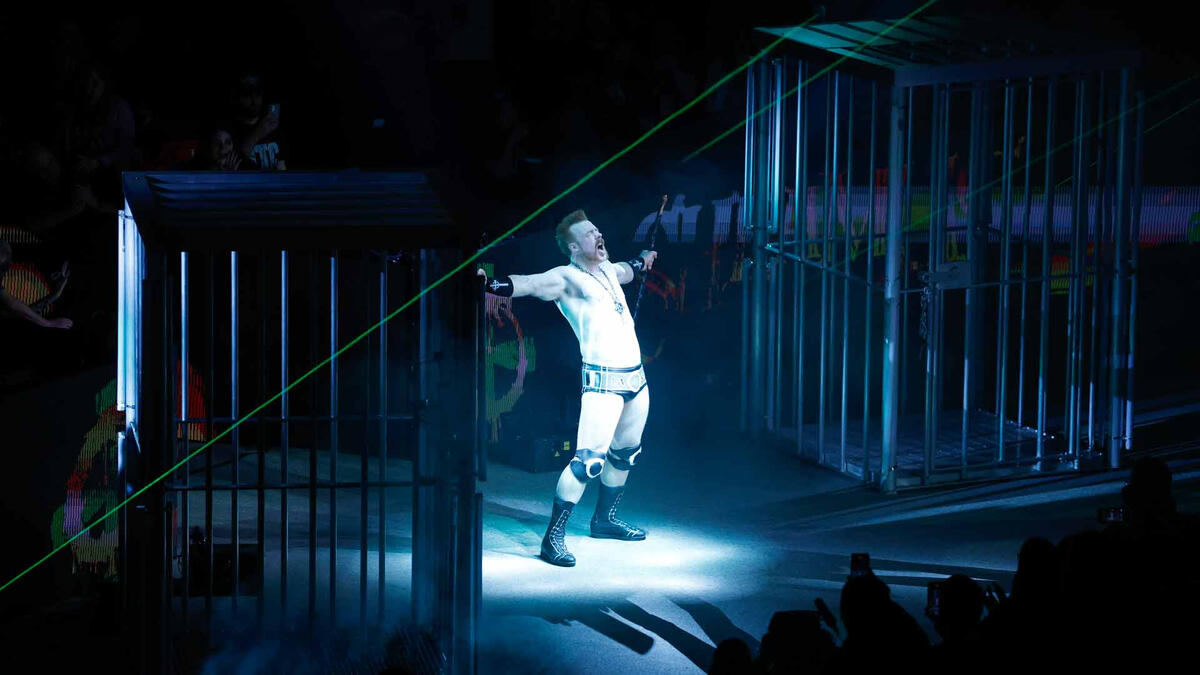
Pro wrestling is moving way beyond the traditional arena model
The shift from arena-bound booking to niche live experiences
The modern professional wrestling industry is finally shedding its fixation with monolithic arena tours. As Paul Wight recently discussed regarding the upcoming AEW Beach Break, performers are increasingly tasked with mastering unconventional environments. Wrestling outdoors or in non-traditional venues requires a specific adjustment to pacing, crowd control, and even the basic mechanics of high-impact spots.
This isn't just a gimmick to fill calendar dates. It signals a move toward high-engagement, smaller-scale events that prioritize atmosphere over raw attendance figures. When companies step away from the standardized arena template, they force a recalibration of what a house show or a special presentation can actually mean to a local fanbase.
The EVE model proves the underground is still vital
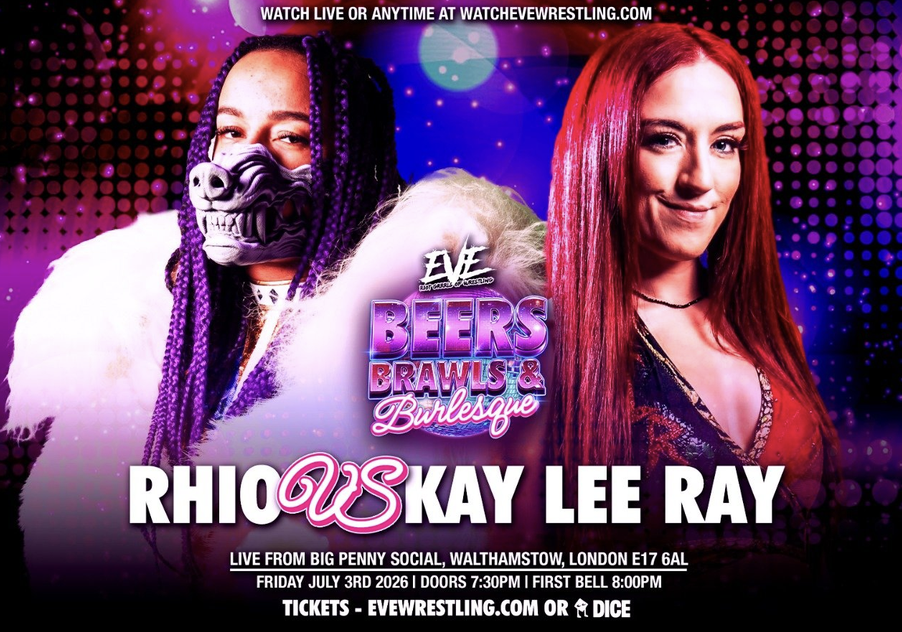
Look at the success of events like the Pro Wrestling EVE 151 card in London. Held on July 3, 2026, at the Big Penny Social, the show featured Kay Lee Ray against Rhio and Skye Blue against Emersyn Jayne. As reported by Jeff Rush, the hybrid production of brawls and burlesque demonstrates a clear refusal to mimic corporate WWE aesthetics. It draws a specific, dedicated audience that values character work and intimate contact over massive LED screens and pyrotechnics.
However, betting on these niche environments presents a significant profitability hurdle. Without the volume of ticket sales offered by standard arenas, promotions carry a heavy risk of burnout for their roster while chasing diminishing returns. The reliance on streaming via YouTube for cards like EVE 151 keeps the overhead low, but it creates a ceiling where talent exposure remains confined to the same digital bubble.
Multi-channel marketing is the new industry baseline
Promotion is no longer restricted to television segments and social media hype cycles. New Japan Pro Wrestling is taking a page out of the comic book industry to build anticipation for the G1 Climax stop in Chicago. By distributing an exclusive comic book, they are creating a physical artifact for fans who attend the event. This is a deliberate attempt to add value to the live experience, turning a wrestling event into a collector's stop rather than just a series of matches.
The standard model still points heavily toward massive annual tentpoles. As often stated within the industry, WrestleMania remains the gravity well around which the entire professional wrestling year rotates. Relying on this single anchor provides the stability needed for long-form storytelling, but the industry's health actually depends on the fragmentation happening further down the card.
The danger of overestimating the fan appetite
The industry is currently in a rush to diversify its touchpoints, from comic books and pop-up outdoor shows to deep-cut indie scene integration. While this keeps the product feeling fresh, it creates a fractured viewing experience. Wrestling is becoming a series of disconnected hobbyist subcultures rather than a cohesive sport with a singular path to the top.
The quality of talent on display, like Kay Lee Ray in London or the names set for Chicago, is undeniable. But if these promotions cannot convert the curiosity generated by niche stunts into consistent, larger-scale revenue, the experiment will fail. Consistency remains the 50% mark of long-term success, and right now, the industry is banking heavily on the idea that novelty will carry the weight of fiscal stability.
WWE 2K26 Standard Edition - PlayStation 5
The most ambitious WWE game yet featuring the massive CM Punk Showcase mode.
Frequently Asked Questions
How do wrestlers adjust for non-traditional venues?
Why are promotions moving away from large arena tours?
What is the primary risk of hosting niche wrestling events?
How is NJPW enhancing the fan experience for live shows?
What is the role of WrestleMania in the wrestling industry context?
More Coverage
Top 10: July
an hour ago
Mike Santana is betting on himself as the TNA exodus hits a wall
an hour ago
Tiger Mask IV retires but New Japan faces a personnel identity crisis
an hour ago
Tiger Mask IV hangs up the mask and leaves us all feeling ancient
an hour ago
AEW Beach Break offers Paul Wight one last high-stakes wildcard
an hour agoWhy the free agent market is looking thin for major promotions
2 hours agoMore Analysis
SummerSlam's empty seats and the desperate push into sports bars
an hour ago
Top 10: July
an hour ago
Mike Santana is betting on himself as the TNA exodus hits a wall
an hour ago
Sheamus leaving WWE marks the end of an era for European hard-hitters
an hour ago
The Drew McIntyre silence is louder than any comeback tease
an hour ago