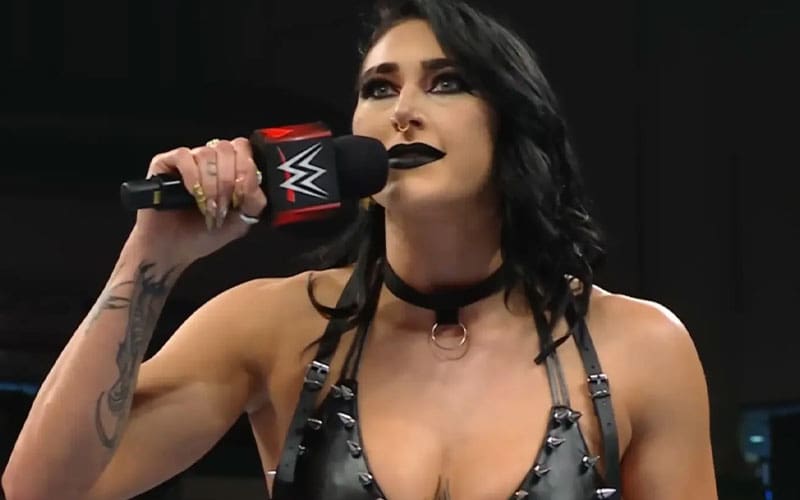
The physical and mental toll on WWE's top star
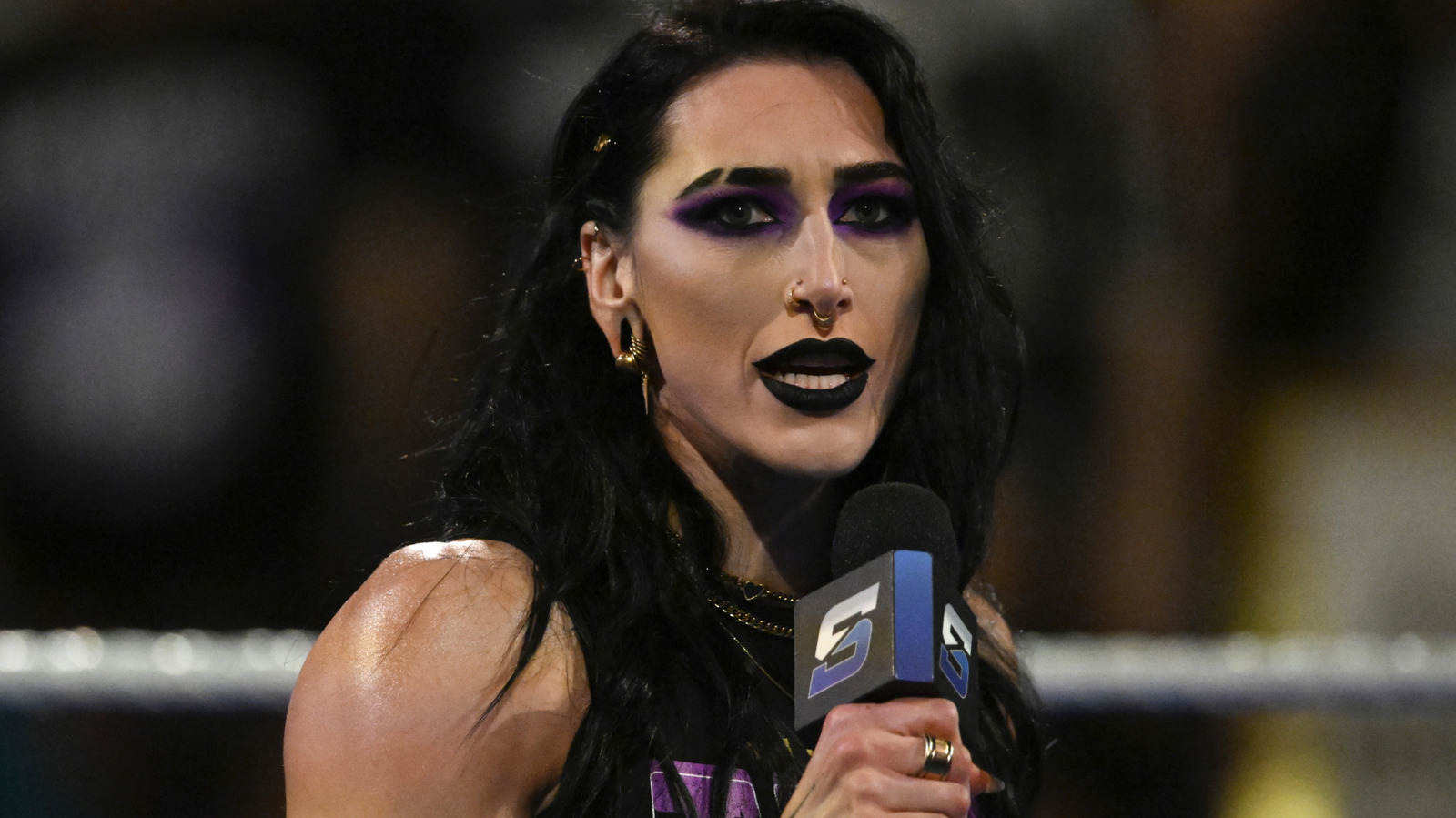
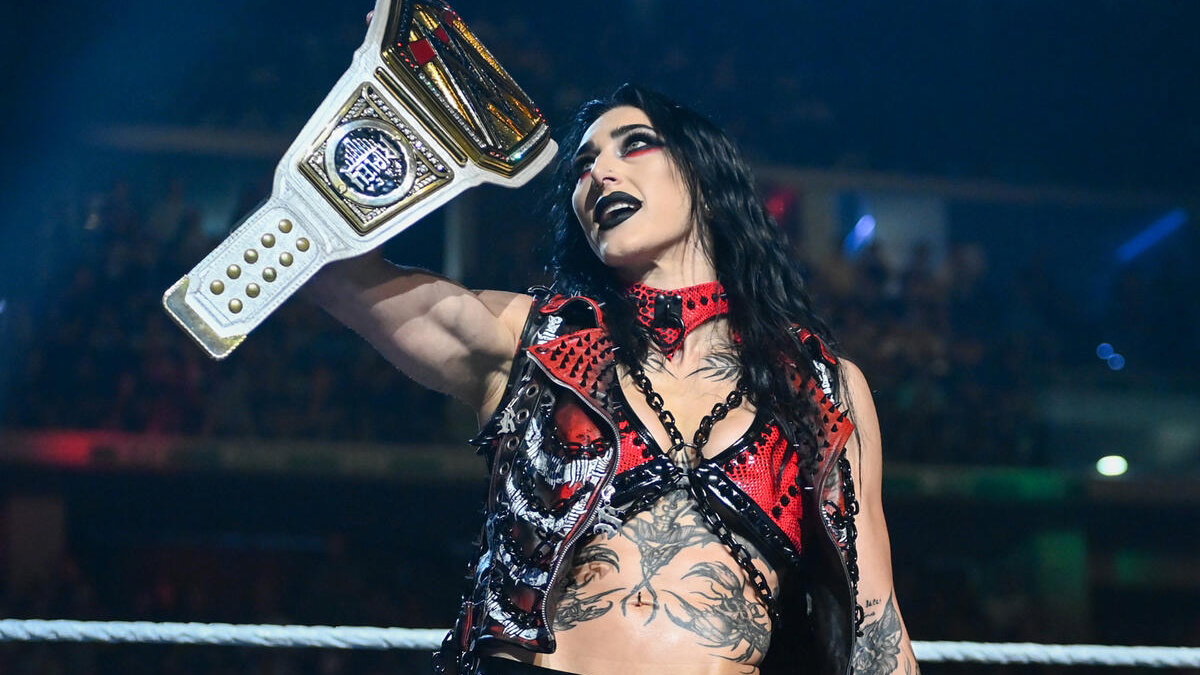
Rhea Ripley is currently navigating the most difficult phase of her career since arriving in WWE in 2017. Recent internal transparency regarding her health has shifted the conversation from championship storylines to long-term viability. As Ringside News has reported, the star recently suffered a backstage collapse due to a panic attack during the Australia tour. This follows a period of mounting physical setbacks.
The intensity of the WWE schedule is a constant, but external factors are complicating Ripley's path to a full return. She recently detailed a canine-related accident that required stitches, an unfortunate incident that disrupted her preparation cycles. Such physical volatility is rare for a performer who has spent years establishing herself as a cornerstone of the women's division.
Reflecting on early career hurdles
Ripley has been candid about her trajectory, noting that she was essentially placed on the chopping block during her developmental years. According to reports from WrestleTalk, the transition from NXT to the main roster was not a seamless ascent but a persistent battle for positioning. This context is vital to understanding her current hesitance or caution regarding her recovery.
She is also navigating the administrative side of the business, including anecdotal adjustments like changing her autograph signature to accommodate the presence of Roman Reigns. These minor shifts highlight the pressures of working in the orbit of the company's biggest earners. While she maintains a high profile, the disconnect between her public persona and her private health struggles is becoming harder for the promotion to mask.
The Bron Breakker factor and promotion direction
Despite her personal health concerns, Ripley remains a voice of authority in the locker room. She has been vocal about the next generation of WWE, specifically identifying Bron Breakker as a future face of the company. As WrestleTalk noted, her endorsement of Breakker signals an awareness that the company is preparing for a transition of power. This focus on the next wave suggests that management may be rotating talent to cover for missing veterans.
There is a growing concern that creative reliance on stars currently dealing with burnout or injury creates a bottleneck. If Ripley is unable to return to her previous workload, the company faces a void in the women's division that current mid-carders cannot fill. Her vulnerability, which she recently showcased on WWE Unreal, mirrors the reality that no performer is truly immune to the burnout of a 52-week calendar.
Critical analysis of the current recovery
The main issue here is the lack of a clear timeline. While fans clamor for her return, the confluence of mental health struggles and physical injuries suggests that a rushed comeback could be catastrophic. The promotion has struggled to balance its commercial reliance on established stars with the need to genuinely protect individual well-being during health crises.
Booking mistakes regarding her usage during the Australia tour, which directly contributed to her collapse, reflect a problematic oversight in tour planning. Pushing a top-tier athlete to the point of a physical breakdown is a tactical error that damages long-term creative utility. WWE needs to establish a more effective recovery protocol for its top workers if they want to avoid losing their biggest assets to exhaustion.
Probability assessment and final outlook
The probability of Ripley returning to full-time status before the end of the calendar year is high, but the probability of that return mirroring her previous 2023-24 dominance level is currently questionable. We are likely to see a tiered return approach, prioritizing low-contact media appearances before any return to the ring. Expect the company to leverage her presence in non-wrestling capacities until the medical clearance for high-impact spots is absolute.
If she sustains this recovery, the impact will be felt immediately upon her re-entry to the main event scene. She remains a needle-mover who anchors the division's storytelling quality. However, the current situation serves as a stark reminder that even the most formidable wrestlers are subject to the same physical limitations as any other athlete.