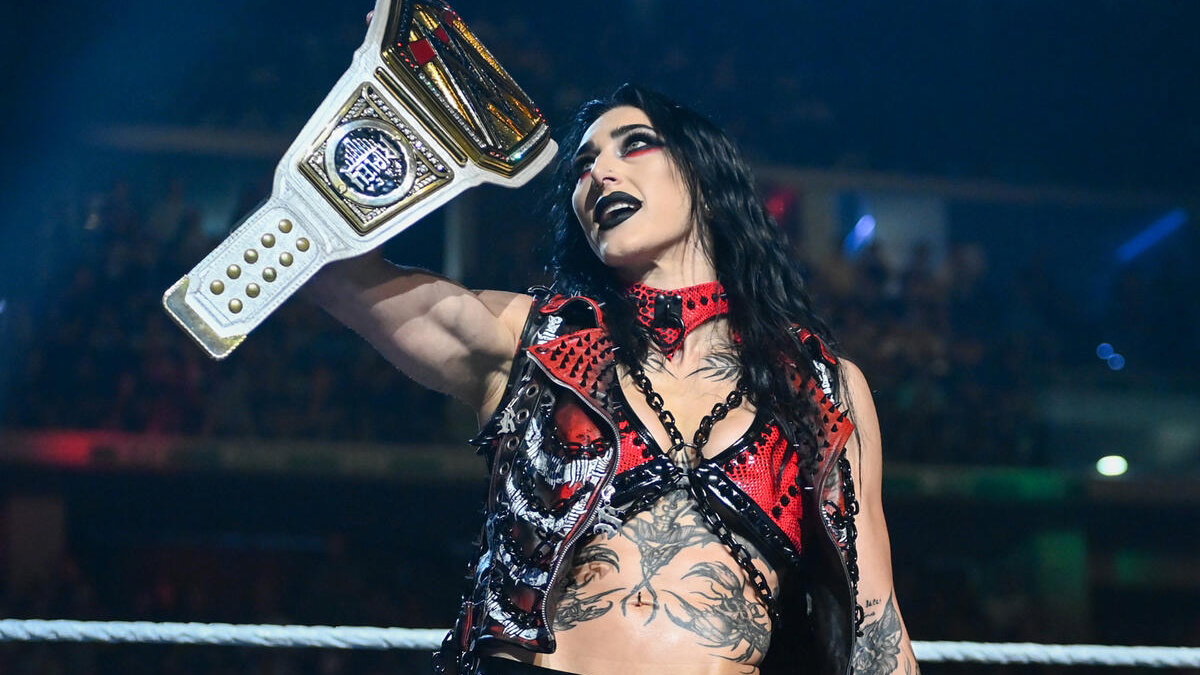
The status of the WWE Women’s Champion
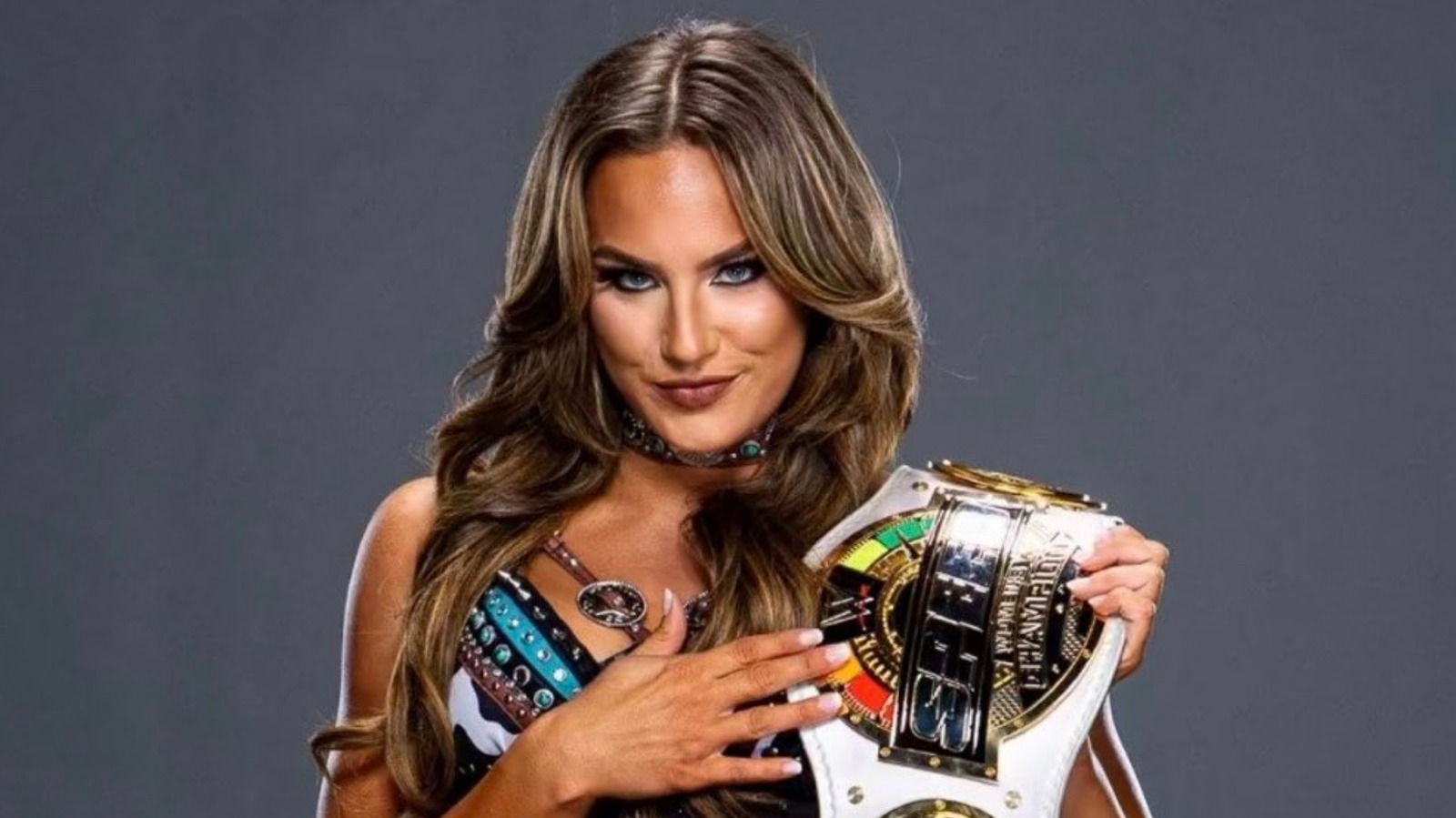
WWE Women’s Champion Rhea Ripley continues to navigate a recovery process that has kept her out of active competition. Ripley recently addressed her current physical state, confirming that while progress is happening, the timeline for a return remains fluid. The championship scene has been forced into a state of flux since her departure from the active roster.
The timeline and process
Injuries at the top of the card are never ideal, but the physical nature of the championship workload often extracts a heavy tax. Ripley has officially commented on her condition, emphasizing that she is working through rehab with a focus on durability rather than rushing a return to the ring. This cautious approach mirrors recent trends in main event talent management, where organizations prioritize longevity over short-term returns on mid-season cards.
Reports indicate that the medical team is monitoring her progress closely. A return inside the squared circle currently lacks a hard date on the promotion's calendar. Management is clearly not willing to risk a re-aggravation of the original injury, opting for a wait-and-see strategy that keeps potential opponents in limbo as they prepare for autumn event cycles.
Industry impact and roster shifts
Losing the top female talent creates a vacuum that rarely goes unfilled, but the absence of a primary focus point alters the booking logic for all sub-divisions. Competitors are currently jockeying for position, attempting to elevate their own standing while the title is effectively frozen. Recent developments have raised questions about how the creative team handles long-term gaps in high-profile slots as documented in recent tracking of her recovery process.
This vacancy highlights the over-reliance on singular stars to carry weekly broadcast hours. When the marquee name goes out, the secondary stories often fail to capture the same viewer engagement. Wrestling promotions have historically struggled to build credible alternatives during these periods, often resulting in repetitive match cards that feel like filler rather than essential viewing.
Historical context and medical strategy
This is not the first time a champion has faced an indefinite layoff due to wear and tear. Historically, the transition from in-ring action to focused physical therapy usually involves a 6-to-12 month window for significant soft tissue or structural damage. For a performer with Ripley's style—reliant on high-impact power moves and intense physical exchanges—the recovery must be absolute.
Critics point to the lack of a contingency plan regarding belt management as a clear booking failure. Should the championship remain vacate or defended sporadically, the perceived value of the title itself drops. We have seen similar scenarios in the early 2020s, where title stagnation led to declining ratings in specific segments. Relying on the hope of a quick return is a gamble that rarely pays dividends in the long run.
Strategic implications for the division
With no return date locked, the locker room is forced to adjust its trajectory. Rising talents are now under pressure to prove that the division can survive without its central figure. If the current stagnation continues, expect to see emergency title changes or tournament-based logic to keep the programming moving. This is a crucial stretch for the creative department to prove they have depth beyond their primary champion.
Ultimately, the medical staff is holding the reins. The company is taking a 0 percent risk policy with their top-tier attraction. Any premature return would likely lead to a secondary setback, which would be worse for the bottom line than the current temporary absence. Fans should look for subtle shifts in backstage vignettes over the next month as a indicator for a real, in-ring comeback attempt rather than just promotional appearances.
The reality of high-intensity performance is that the body cannot always sustain the pace requested by the standard broadcast schedule.
The burden remains on the writers to keep the division relevant without its focal point. If they fail to capitalize on this period by creating new, compelling challengers, the championship return will lack the momentum it needs to feel like a major event. The clock is ticking on their ability to pivot effectively.