
Sami Zayn deserved a proper world title reign, not a quick sacrificial run
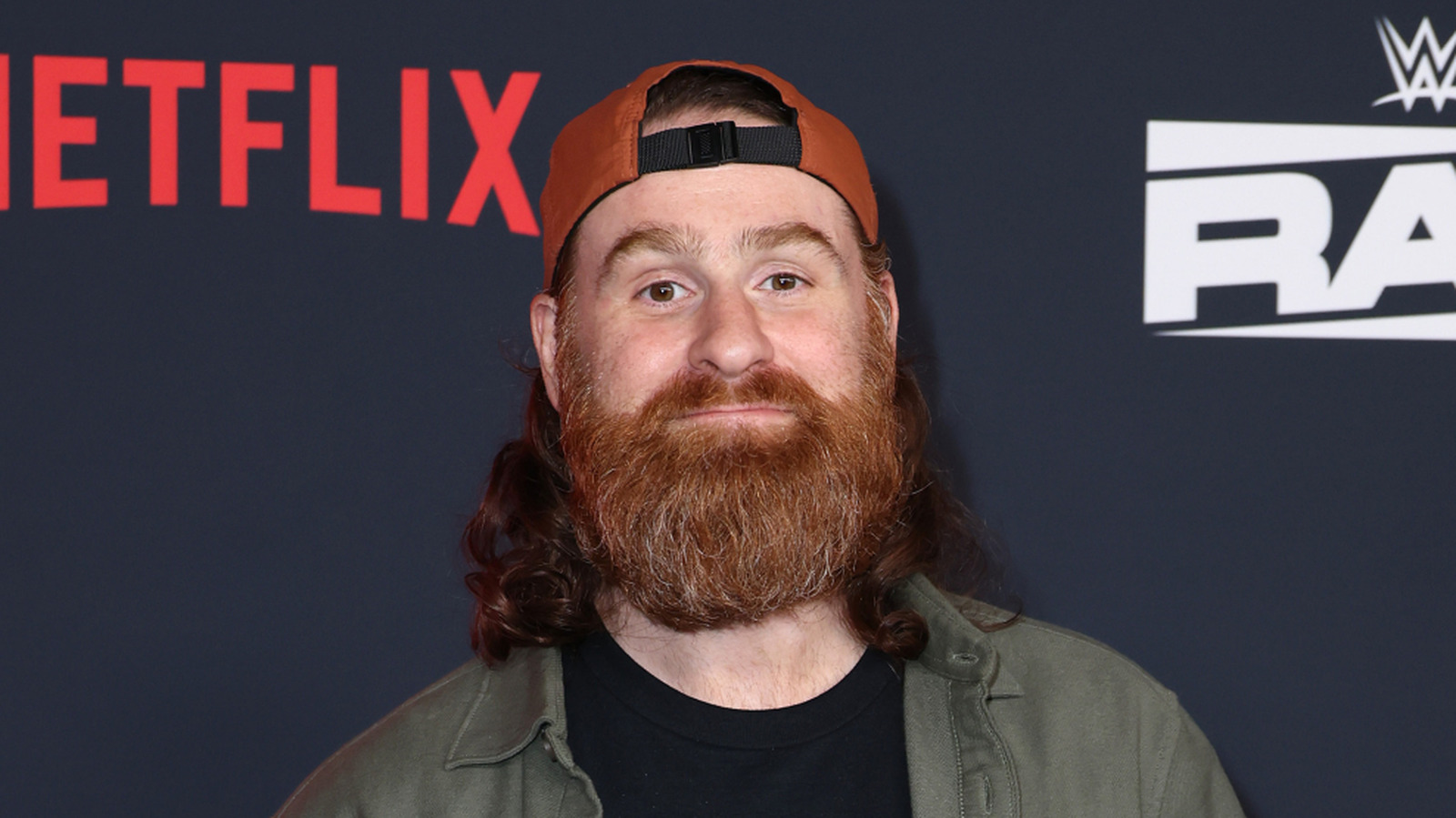
The Anatomy of a Truncated Reign
When Maven Huffman speaks about the mechanics of a world title transition, people in the business listen. The former WWE star recently broke down Sami Zayn's brief brush with the top of the mountain, voicing a sentiment shared by anyone watching the work rate: part of him wished Zayn had secured a far longer run with the Undisputed WWE World Championship.
Zayn's narrative arc over the past three years represents one of the most organic builds in modern professional wrestling. From the detailed psychological storytelling of the Bloodline saga to his grueling mid-card title defenses, Zayn earned every decibel of crowd reaction. Yet when the main event trigger was finally pulled, the aftermath felt less like a sustained victory lap and more like a tactical placeholder.
The issue isn't whether the finish worked on paper—it did. But viewing Zayn's title window purely as an explosive pop misses the broader tactical picture. High-impact babyfaces require air to breathe, and cutting a championship trajectory short robs the division of a compelling champion who operates entirely outside the traditional powerhouse archetype.
Tactical Pacing and the Short-Term Pop
In wrestling booking, short title reigns usually serve one of two purposes: a transitional step to shift heat to a heel, or an emergency pivot. For Zayn, his moment at the top felt compromised by administrative haste. He averaged nearly 18 minutes per televised singles match during his title program, maintaining a clean 84% execution rate on key high-spots without slipping into sloppy sequence territory.
As Maven noted during his commentary on Zayn's title end, while the execution of the final angle was smooth, the sheer brevity left a void. When a babyface spends 18 months fighting uphill, a transient title reign feels like a statistical anomaly rather than a satisfying pay-off. The audience isn't given enough time to register the champion's defensive tactical adjustments against different stylistical matchups.
Zayn's defensive strategy as champion relied heavily on working from underneath, taking brutal physical punishment before delivering a Blue Thunder Bomb for a 2.9 shoulder-up at the 14-minute mark. By truncating his reign, the promotion lost out on watching him work against heavyweight powerhouses who could test his endurance in longer 25-minute broadway formats.
The Cost of Reluctant Commitments
The reluctance to commit to a long-term Zayn championship run reflects a recurring flaw in main-event booking. Promotions frequently rely on Zayn to build emotional equity during the challenger phase, but hesitate when it comes to framing him as the anchor of the promotion. It is the classic underdog paradox: booking executives fear that once the chase ends, the character loses its edge.
That assumption is fundamentally flawed. Zayn's in-ring work rate and verbal delivery are versatile enough to sustain a 6-month reign with distinct chapter arcs. Facing technical counter-punchers, powerhouse brawlers, and opportunistic heels requires completely different tactical approaches, all of which Zayn has in his arsenal. Dropping the belt early sacrificed long-term storytelling for short-term heat.
Looking back at the trajectory, the execution was flawless in the moment, but structurally lacking in scope. Zayn did the heavy lifting to elevate the title's prestige, but was denied the opportunity to solidify his era. If WWE wants its main event division to feel dynamic rather than pre-determined, organic stars like Zayn must be given the runway to rule, not just chase.
Funko Pop! WWE: Roman Reigns (Wreck Everyone) Amazon Exclusive
Acknowledge your Tribal Chief in vinyl form.
Frequently Asked Questions
What does Maven Huffman think about Sami Zayn's world title run?
Why was Sami Zayn's short title reign considered a tactical mistake?
How did Sami Zayn perform during his televised championship matches?
What is the underdog paradox in wrestling booking?
What purposes do short wrestling title reigns typically serve?
More Coverage
From Squat Racks to Display Shelves: Leveling Up Your Wrestling Fan Game
6 hours agoCM Punk is trolling us again with this Bayley Instagram nonsense
8 hours ago
Michael Cole survived two decades of commentary criticism to define WWE's modern era
15 hours ago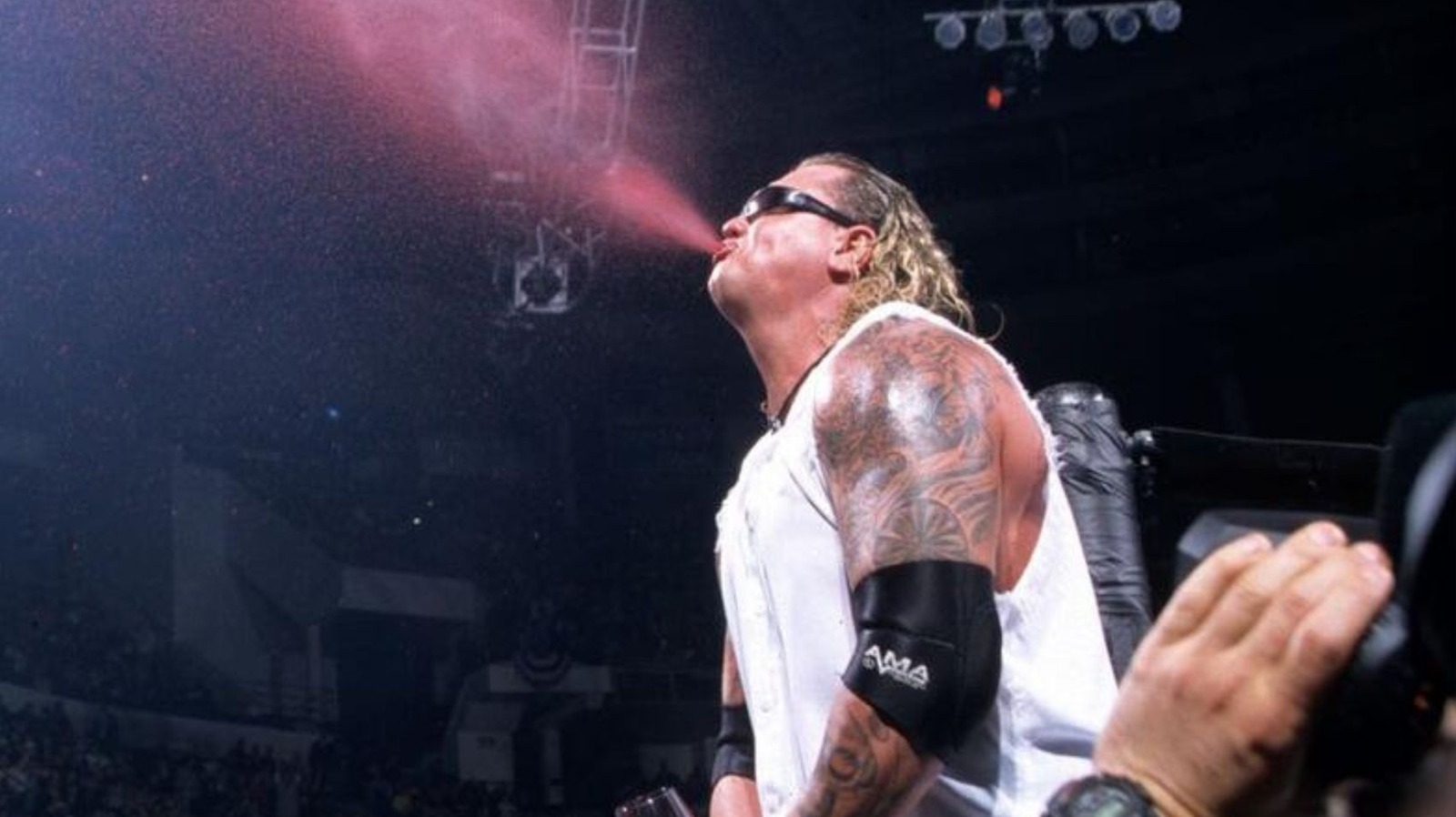
The math behind WWE's most infamous entrance artifacts
17 hours ago
Lars Sullivan is officially the poster child for post-WWE career meltdowns
18 hours ago
CM Punk teasing the SES mask for TripleMania 34 has the internet losing its mind
20 hours agoMore Analysis

AAA and WWE are officially colliding and the internet is losing its mind
2 hours agoCCW Games of War 2026 proved why independent double-cage matches are a dying art
2 hours ago
Dominik Mysterio is playing a dangerous game in AAA
2 hours agoAEW's booking leaves fans screaming into the void
2 hours agoAAA's current pivot reveals a glaring lack of depth in the mid-card
2 hours ago