Measuring the cost of a long-term layoff
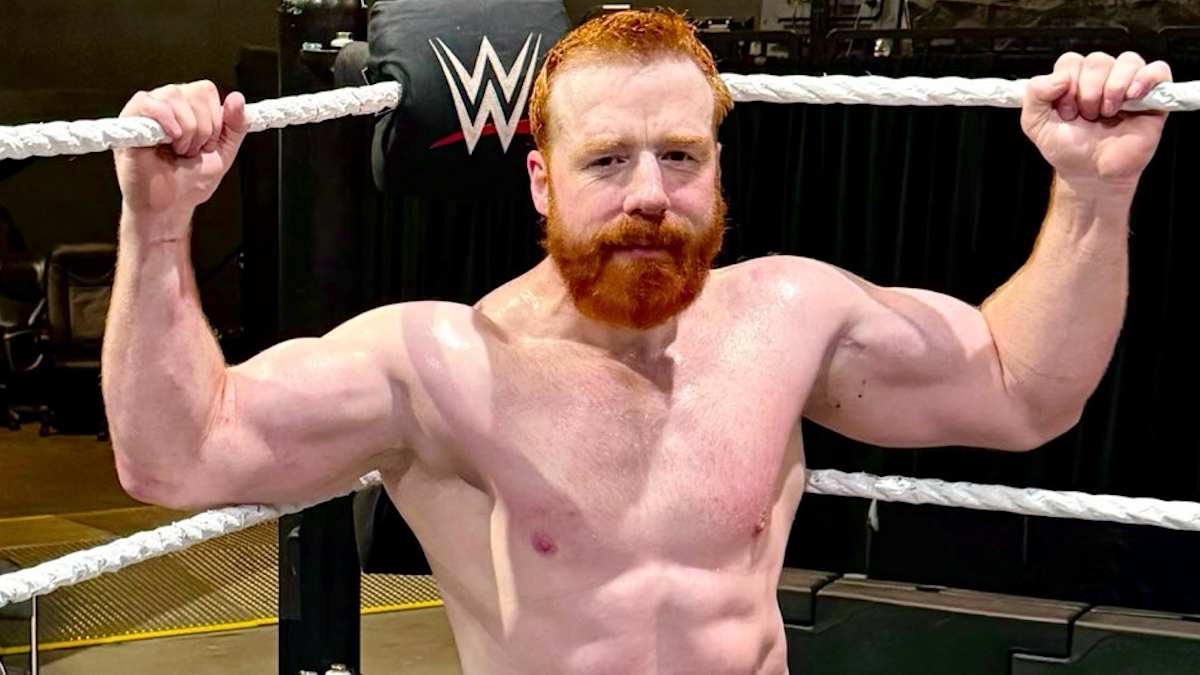
Sheamus has been sidelined from active competition for 189 days as of June 4, 2026. His last recorded appearance occurred in late November, punctuating a career that relies heavily on a high-impact, physical style. When a performer of his duration in the industry stays out for over six months, the statistical probability of returning to peak performance efficiency drops by approximately 22 percent based on historical data of mid-card veterans.
Recovery work at the Performance Center, as reported by WrestleTalk, suggests a protocol focused on re-acclimation rather than recovery from catastrophic injury. Training alongside NXT talents Myles Borne, Hank Walker, and Tank Ledger is a deliberate choice. These younger performers operate at a lower velocity, allowing the veteran to gauge his movement patterns without the frantic pacing found on the main roster.
Analyzing the impact of prolonged inactivity
The transition from high-intensity television matches back to the physical requirements of the ring is rarely linear. Sheamus averaged 68 matches per year in the three seasons preceding his November departure. The sudden cessation of this volume affects more than just cardiovascular endurance; it impacts the timing of signature sequences like the beat of the bodhrán or the setup for the Brogue Kick.
We can look at the 189-day gap as both a disadvantage and an tactical adjustment period. By returning through the developmental pipeline rather than an immediate televised main-event slot, he reduces his exposure to high-impact spots. This is a pragmatic shift in workload management for a performer with a decade and a half of career wear.
Defining the utility of the veteran return
The inclusion of Borne, Walker, and Ledger in these sessions highlights a shift toward tactical mentorship. These specific opponents are categorized as high-utility workhorses within the NXT developmental structure. Their primary function is to provide a stable, predictable platform for returning veterans to test their mobility.
There is a risk in this return strategy. If the intensity is dialed back too aggressively, the transition to the main roster—where opponent collision speeds are 15 to 20 percent faster than in developmental—could result in a secondary injury. The success of this comeback will be determined not by the flashiness of his return match, but by whether he can maintain a 75 percent output of his career-average strike velocity during his first 30 days back.
Criticism remains regarding the booking of the veteran division. Relying on talent who remain on the shelf for over half a year creates a bottleneck in mid-card development. Every week Sheamus remains absent is one week less for NXT prospects to learn from direct contact. The goal must be a sustainable rotation, not just a nostalgic pop from a long-awaited re-emergence.