The road back to the ring
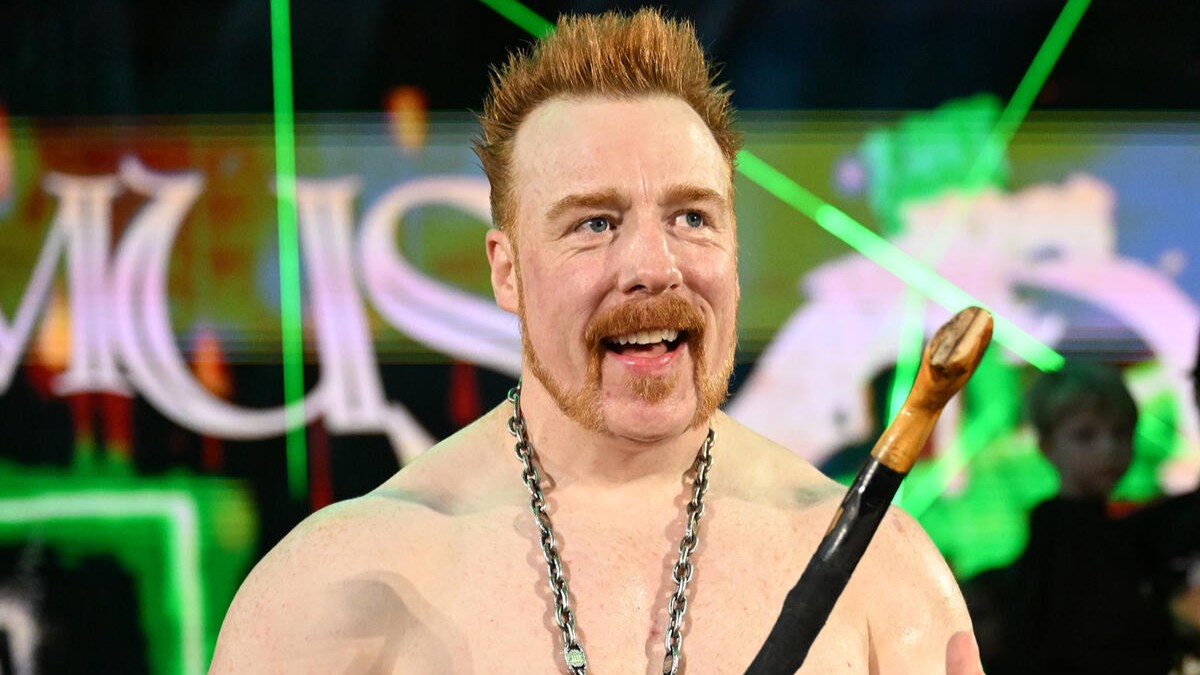
Sheamus has been absent from active competition since late 2025. Today, Wrestling Inc reports that the veteran posted visual confirmation of his presence at the WWE Performance Center. These training sessions typically signal the final phase of a recovery timeline.
The images show the former world champion back in the gym. He is currently working through rigorous conditioning drills. This serves as the clearest indicator yet that his clearance for in-ring work is imminent.
Missing the mid-card momentum
The absence of such a high-caliber performer has left a void in the secondary title division. During his hiatus, the mid-card scene has fluctuated without a consistent anchor. Sheamus has historically functioned as a gatekeeper for rising talent, making his return vital for booking stability.
His previous tenure was marked by a series of hard-hitting encounters. His last notable program involved a brutal feud that defined the mid-card identity throughout the autumn of 2025. Without his physicality, several recent television tapings lacked the requisite intensity fans expect from a veteran of his stature.
The strategic risk of the veteran comeback
Returning from a six-month injury layoff is never guaranteed. Professional wrestling places unique stress on the cervical spine and knees, areas that have demanded caution throughout his career. While the training footage appears positive, the intensity of live tapings exceeds controlled gym sessions.
Management must consider the long-term viability of the roster as we head into the second half of the year. Relying on established stars rather than promoting younger talent remains a point of contention among the fanbase. Bringing back a veteran of his tenure is a safe bet for television ratings, but it presents a hurdle for the next generation.
Historical context of veteran rehab
This is not the first time the company has faced a long-term sidelining of a workhorse performer. Historically, the transition from rehabilitation to active television involves a brief acclimation period at the Performance Center. Matches of high consequence are usually avoided for the first 30 days to ensure joint stability.
Comparing his timeline to similar recovery arcs suggests a return before the end of Q3. If he follows the standard protocol, he will likely undergo a light-contact phase before entering any angle requiring high-impact spots. He has avoided significant injury for long stretches in the past, but the wear of a two-decade career is undeniable.
Impact on upcoming programming
His return shifts the competitive balance for the remaining calendar year. With the roster depth currently strained by concurrent injuries, his presence provides a necessary boost for upcoming premium live events. The creative team now has a bridge back to established stars, which alleviates pressure on the current crop of main eventers.
The return of an active worker also aids in training newer recruits during house shows. His technical proficiency in the ring, specifically his propensity for stiff strikes and high-angle slams, acts as an on-the-job clinic for leaner wrestlers. Seeing him back on the mat is a positive shift, provided his body holds up to the physical toll of a full-time schedule.
Managing his workload will be the primary concern for the medical staff. After a protracted layoff, he will likely work a limited schedule to mitigate the risk of a recurring issue. The strategy should focus on quality of output over the sheer volume of televised matches. His ability to deliver in high-stakes spots will remain his defining trait, but only if he avoids re-injury during the initial months of his comeback.