The blue brand is officially coasting
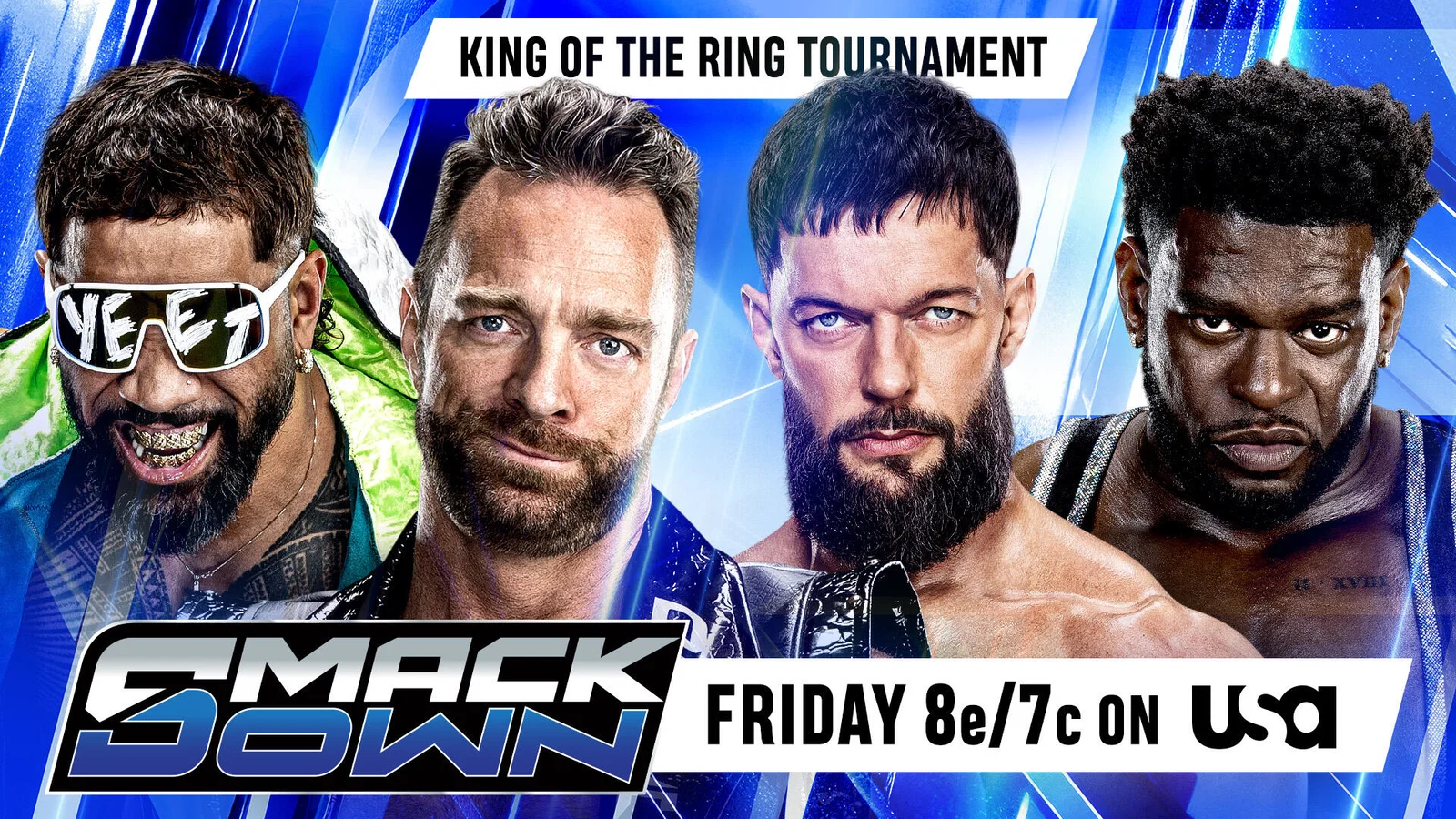
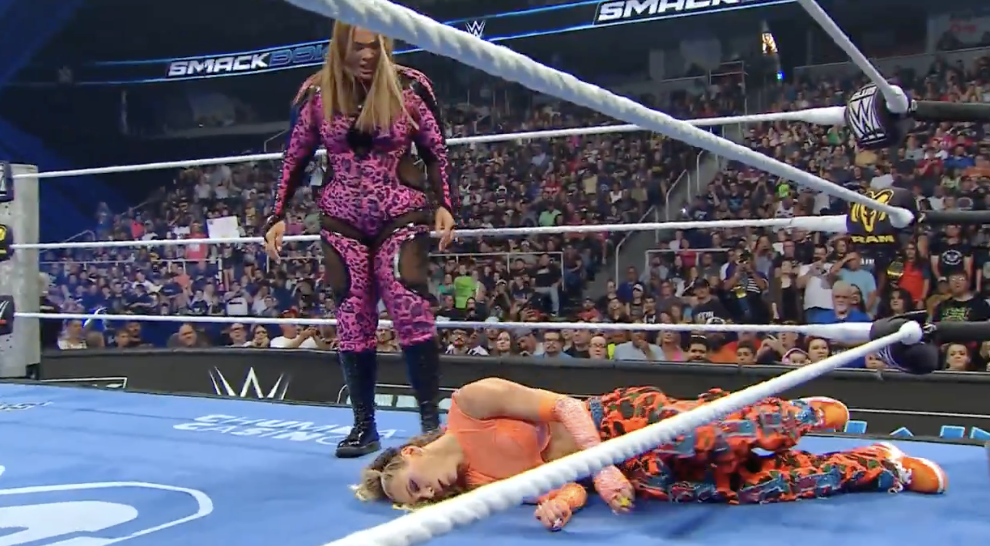
Last night’s SmackDown was a stark reminder that even the biggest wrestling promotion on the planet can occasionally hit the snooze button. As detailed in the latest breakdown on PWInsider, the show felt less like a high-octane road to a premium live event and more like a series of creative speed bumps meant to kill time until September. The production value is still top-tier, but the actual substance in the ring? It felt like we were watching house show matches broadcast on national television.
The enthusiasts are out in force on social media, claiming the long-term storytelling is simply too nuanced for casuals to appreciate. Their argument is that every generic tag match is actually a slow-burn setup for a massive betrayal at the next major show. It is the classic “Wait for the payoff” rhetoric that die-hards have been using since the 90s to justify boring television. To these folks, if a mid-card babyface eats a pin, it is a brilliant move to generate sympathy for a future push instead of just admitting the booking is stagnant.
The skeptics are losing their minds
On the flip side, the skeptics are correctly pointing out that the rotating door of tag team matches across the last three weeks has accomplished absolutely nothing. We are watching the same performers swap partners and trade arm drags without a shred of character development. It is the wrestling equivalent of a feedback loop where the audio is just static until you finally reach the remote and turn the volume down to zero.
One poster on a popular wrestling forum captured the sentiment perfectly: We have seen this exact match layout four weeks in a row, and I am genuinely struggling to remember who is feuding with whom. When the audience is more confused about the alliances than the actual performers are, you know the creative team has lost the plot. The lack of stakes is why this recent episode felt so hollow to anyone who has tracked the product for more than a fiscal quarter.
Why the booking feels so fragile
The core issue here is a reliance on stalling tactics while higher-level players are off-screen or cooling off. It is incredibly obvious when the writers haven’t locked in a main event direction for the next PLE, so they throw a bunch of talent into a blender and hope the resulting mess looks like a wrestling program. This isn't just about bad booking; it's about a complete refusal to elevate anyone beyond the status quo of the mid-card.
My take? The contrarians who claim we are just being entitled are dead wrong. When you charge premium prices for your product, you don’t get to demand patience while the show runs in circles. A solid promotion knows how to make every single second of programming count, even when the champions are absent. SmackDown right now is the kid who didn't study for the exam and is hoping the teacher forgets to check the essay questions.
We need fewer three-way tag matches that end in a count-out and more clear-cut objectives. The roster is deeper than it has been in a decade, yet the creative direction feels thinner than a piece of cheap tissue paper. If I have to watch another generic interference finish followed by a frantic brawl at the 14 minute mark, I’m going to lose my remaining marbles. Give the audience a reason to care, not just another reason to check their phones until the final segment of the night.
The bottom line is that the company is clearly banking on name recognition to carry the ratings while the actual heat remains tepid at best. They are essentially resting on their laurels with the confidence of a star athlete who stopped training in the off-season. Until the booking team admits that 80 percent of the current mid-card clutter needs to be trimmed, this show is going to keep feeling like a chore rather than a spectacle. The talent is there, but the vision is currently buried under a pile of missed opportunities and stagnant creative choices.