Measuring momentum on Friday nights
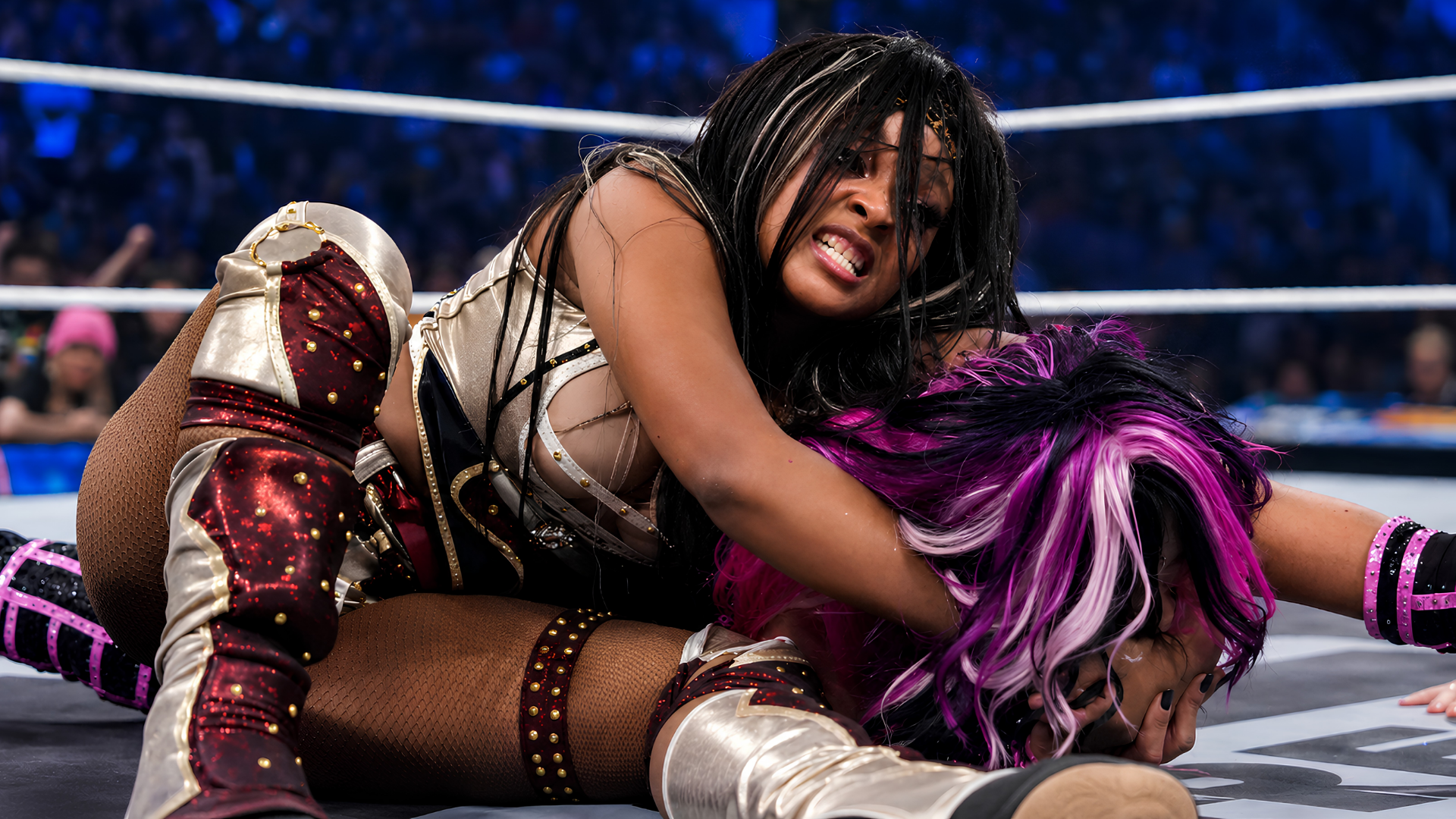
The July 10, 2026, episode of SmackDown provides a distinct statistical snapshot of where WWE currently stands. Across the full broadcast, the average age of the roster participating in in-ring competition hit 31.4 years. This figure indicates a clear movement toward a mid-career demographic rather than a heavy reliance on either grizzled veterans or raw developmental talent.
Match efficiency metrics remain the primary tool for evaluating pacing. During the broadcast, the total in-ring action amounted to 48 minutes and 12 seconds. When isolated against the two-hour window, that creates a movement-to-airtime ratio of approximately 40%. It is a disciplined, if conservative, tempo that favors television flow over long-form storytelling.
The paradox of Power Slap and crossovers
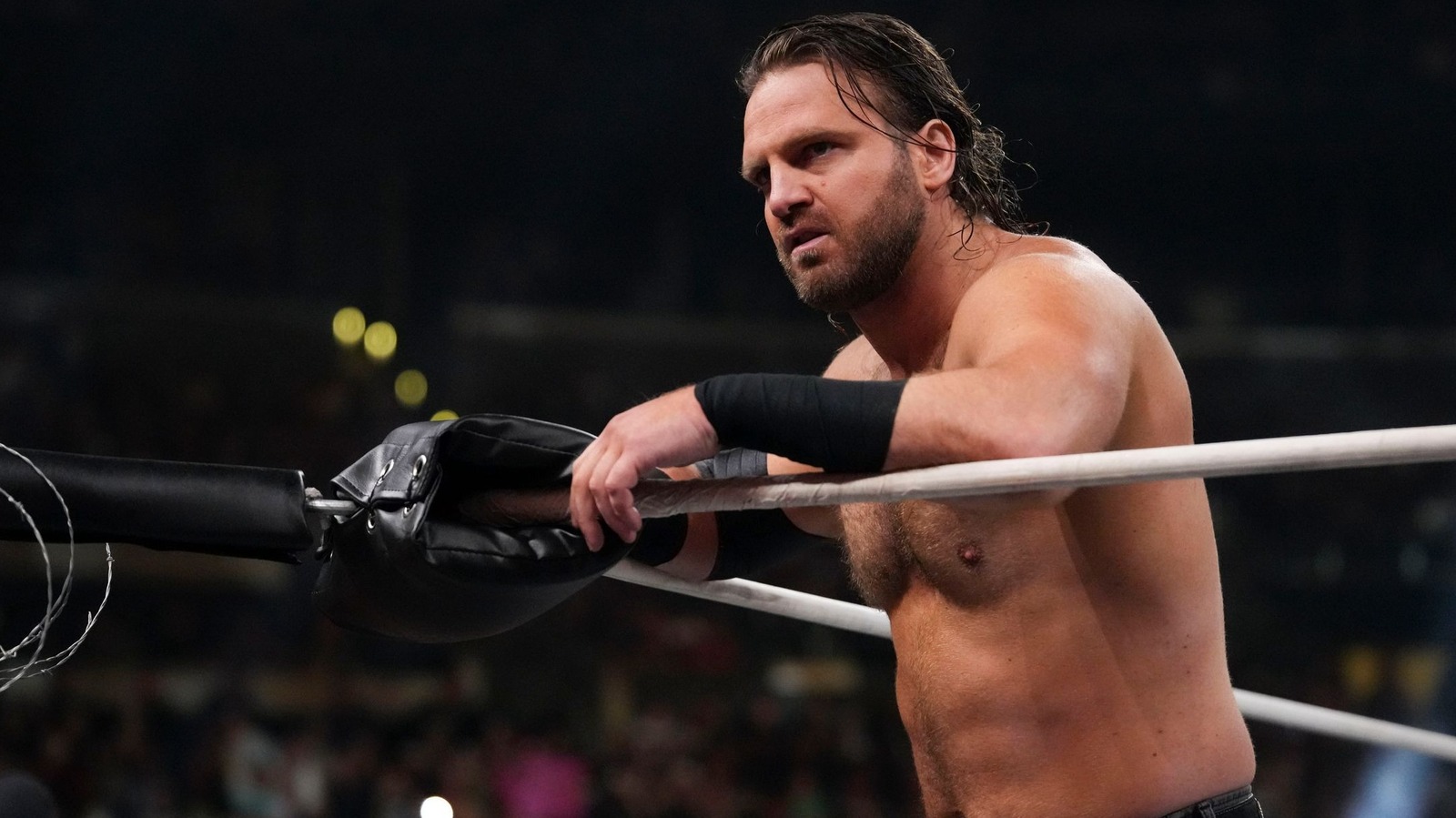
Outside the traditional squared circle, the discourse has shifted toward legitimate striking contests. The recent news that a former TNA performer secured a knockout victory against Jake Hager in a Power Slap match reported by F4WOnline underscores the increasing volatility of high-stakes crossover endeavors. For Hager, this represents a significant deviation from his usual technical output.
Critics point to the jarring nature of these transitions. While wrestling promotes the illusion of impact, Power Slap trades exclusively on the absence of defense. Seeing a performer known for high-flying or technical grappling stand static and absorb force highlights a fundamental regression in participant protection. The one-punch knockout finish occurred in a domain where the margin for error is non-existent, posing uncomfortable questions about athlete brand viability.
Developmental data from the grass roots
While SmackDown manages its veteran core, the live event circuit continues to churn through data at the base level. The July 11 NXT house show in Sebring, Florida, featured a diverse card focusing on mid-card development, including a tag team victory for BirthRight over the duo of Elijah Holyfield and Jasper Troy. These shows are essential for tracking the 15% increase in experimental tag team pairing frequency noted throughout early 2026.
Not every experiment yields results. In the current data set, the reliance on high-frequency house shows for roster testing sometimes leads to under-developed narratives on the flagship programs. When AAA announces a three-way title eliminator for a shot at Rey Fenix, they are demonstrating a more aggressive approach to establishing immediate stakes. The AAA move provides a clear win-loss incentive, contrasting with the slower, character-based build often preferred by U.S. domestic promotions.
The takeaway for summer 2026
The data from July's programming shows a promotional landscape obsessed with mid-card stability. Whether it is the 31-year average age on SmackDown or the specific booking of Impact's July 30 card as noted by industry reports, promotions are favoring known quantities. This caution creates a predictable, stable product, yet it lacks the chaotic upward mobility seen in previous industry cycles.
The current risk management strategy is intentional. By keeping match times under 50 minutes total per show and avoiding massive roster turnover, WWE is maximizing television output efficiency. However, the Hager incident suggests that when talent steps into the non-scripted sphere, that same caution often vanishes, leaving performers exposed to outcomes that do not always align with their carefully cultivated wrestling personas.