The grueling math of a 180-minute broadcast
Three hours of wrestling on a Friday night is a punishment, not a treat. The news that SmackDown will eventually return to its traditional two-hour format couldn't come soon enough.
For months, we've watched the blue brand struggle to fill a massive void. The pacing is shot. Matches are stretched with unnecessary commercial breaks. Promos that should be punchy are meandering into oblivion.
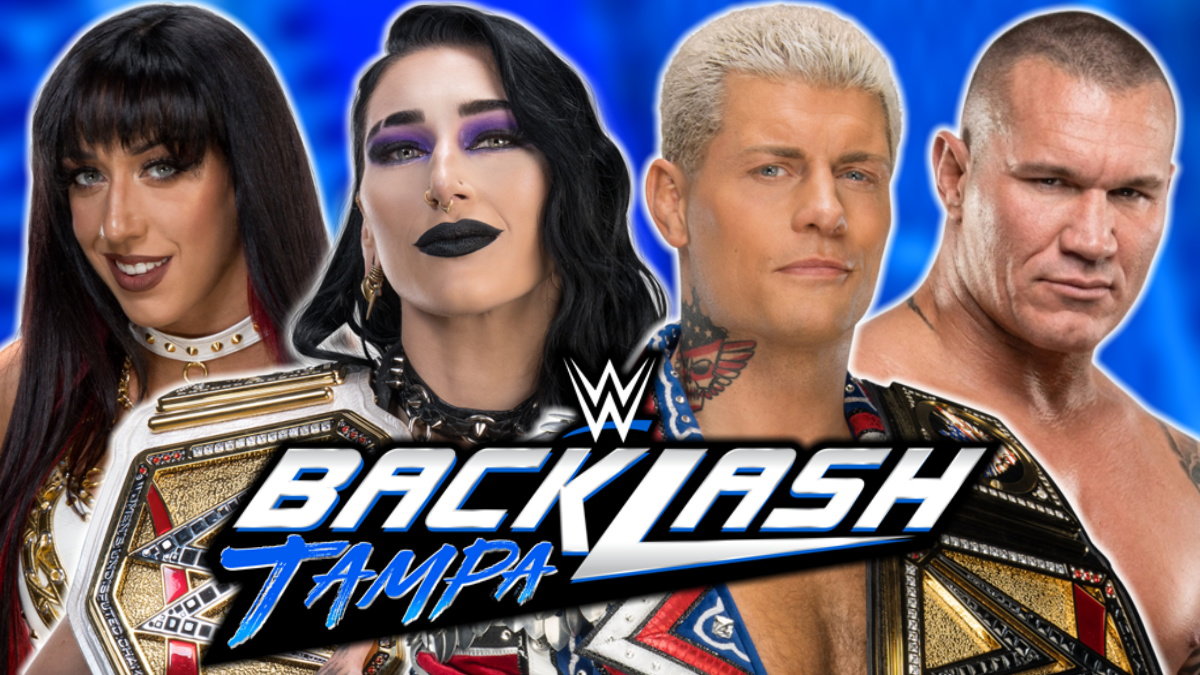
According to reports from WrestlingNews.co, a timeframe is finally in place to revert to 120 minutes. Thank god. But that change won't save the build to WWE Backlash on May 9. We still have to get through the dregs of this bloated format.
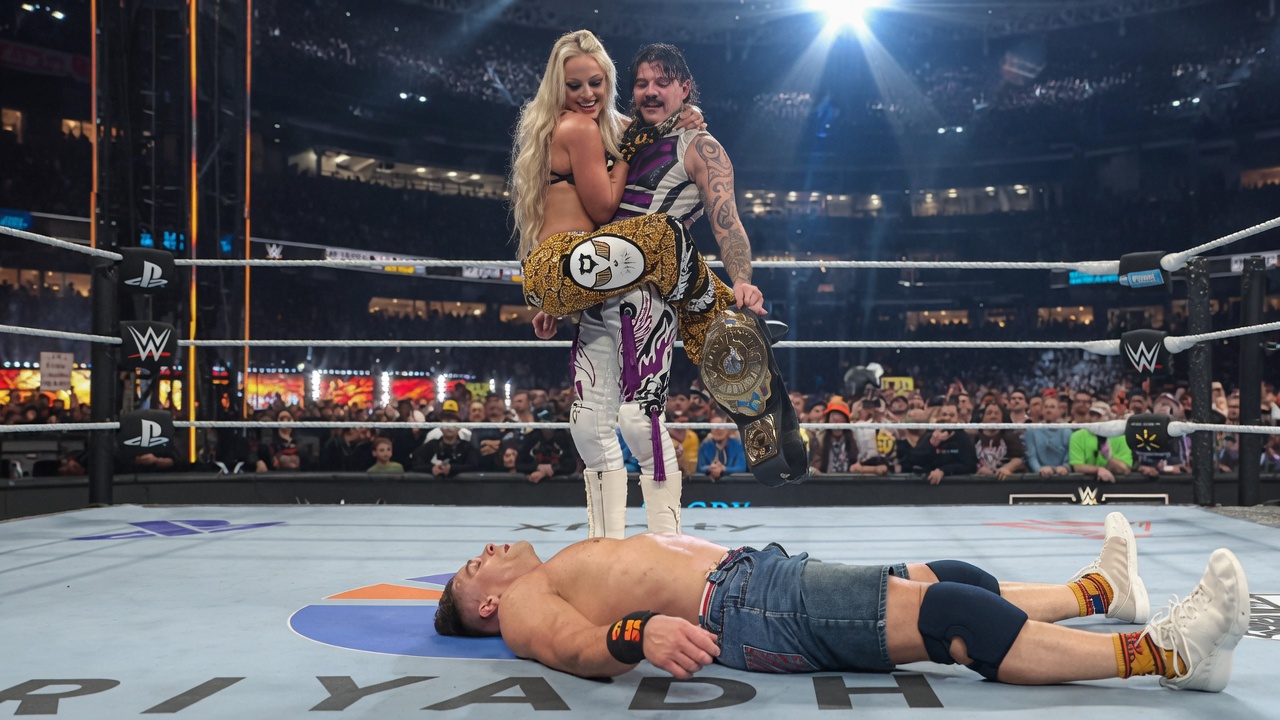
Let's look at what is actually happening on screen. Cody Rhodes is your WWE Champion. He walked out of Allegiant Stadium in Las Vegas earlier this month with the gold still around his waist.
The WrestleMania 41 main event was a spectacle. But the television hangover is real.
Tomorrow night's SmackDown is the penultimate show before Backlash. They need to establish a credible threat. Right now, the Bloodline 2.0 is feeling painfully stale.
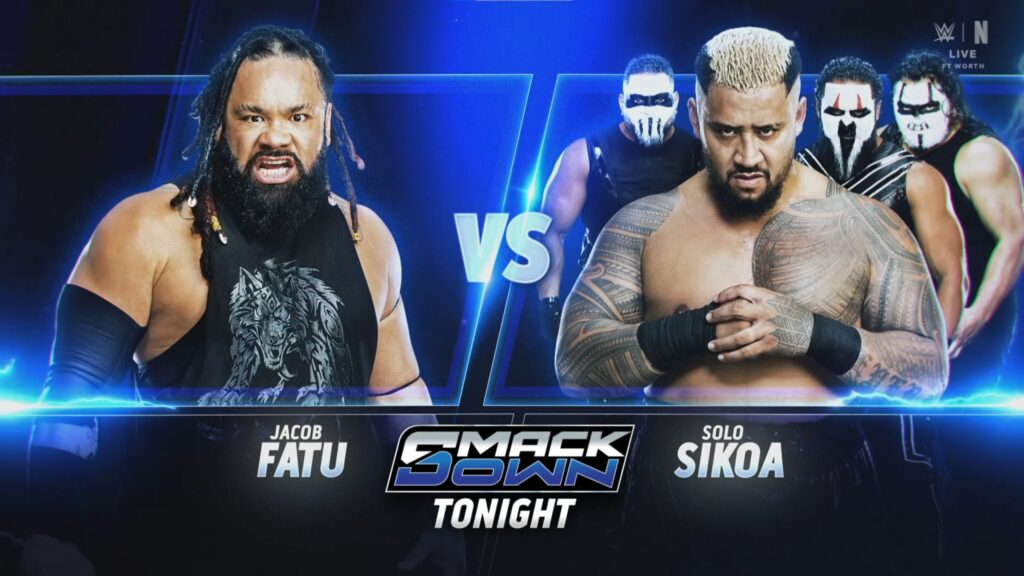
Solo Sikoa standing in the ring for twenty minutes while the crowd chants for Roman Reigns was fun in 2024. In May 2026, it is exhausting television.
Tactical breakdowns exposed by filler
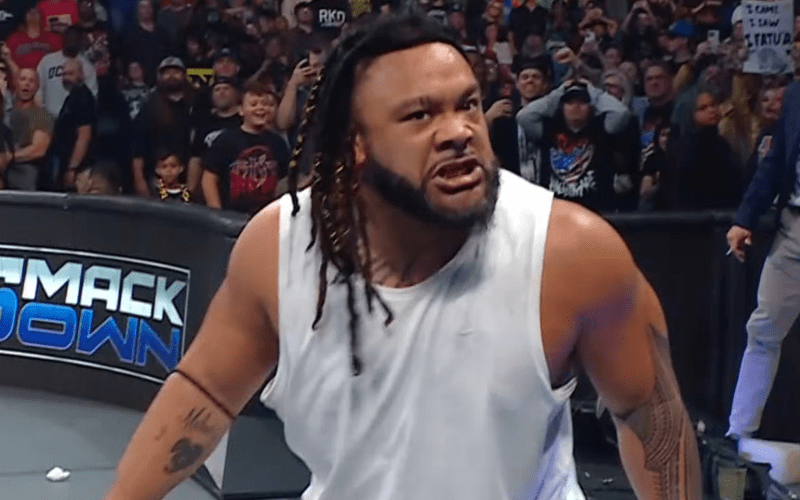
The extra hour has exposed the lack of depth in the main event heel roster on Fridays. You can only feed so many midcarders to Jacob Fatu before the audience tunes out. Fatu is incredible. The booking around him is lazy.
When you watch Cody Rhodes defend the championship, watch his footwork in the opening five minutes. He constantly circles to his left. He forces his opponent to attack from the blind side, opening them up for the dropdown uppercut. It's a veteran trick.
But Jacob Fatu doesn't care about footwork. Fatu operates on pure explosive geometry. He covers the distance from the corner to the center of the ring faster than anyone on the roster.
Fatu's Samoan Drop isn't just a high-impact move. It is a pacing mechanism. He uses it to reset the tempo when the match starts getting away from him. He drops the dead weight, stalls for five seconds, and dictates the breathing of the match.
At WrestleMania 41, Rhodes neutralized this by keeping the match entirely on the mat for the first ten minutes. He didn't let Fatu run the ropes. He targeted the ankle.
Tomorrow night on SmackDown, Fatu will likely be involved in a tag match. Watch how he interacts with the ropes. He uses the top strand to propel himself on his superkicks.
The issue with the three-hour format is that we are seeing these micro-strategies exposed too often. When you watch a wrestler work three twenty-minute TV matches a month, the magic trick loses its mystery. You start seeing the setup.
The two-hour format protects the workers. It hides their repetitive setups.
The static formations of The Bloodline
The Bloodline's interference patterns have also become entirely predictable. Solo Sikoa always sends Tama Tonga to the apron at the 14-minute mark. Every single time.
The referee gets distracted. Tanga Loa slides in with a chair. It is a rigid offensive formation. It worked beautifully two years ago because the timing was crisp.
Now? The timing is sluggish. The referees have to act incredibly stupid to fall for the same misdirection every Friday night. It insults the viewer.
This is where Diego Simeone's Atletico Madrid comes to mind. Both rely on dark arts. Both rely on frustration. Both drag you into the mud and beat you with experience.
But Simeone evolves his low block. The Bloodline has not evolved their interference structure. It is static. And on a long broadcast, static is a death sentence for television ratings.
A return to two hours means less time for these long, drawn-out interference spots. The matches will have to end decisively. Or at least, the screwjob finishes will have to be executed with some urgency.
The women's division stuck in neutral
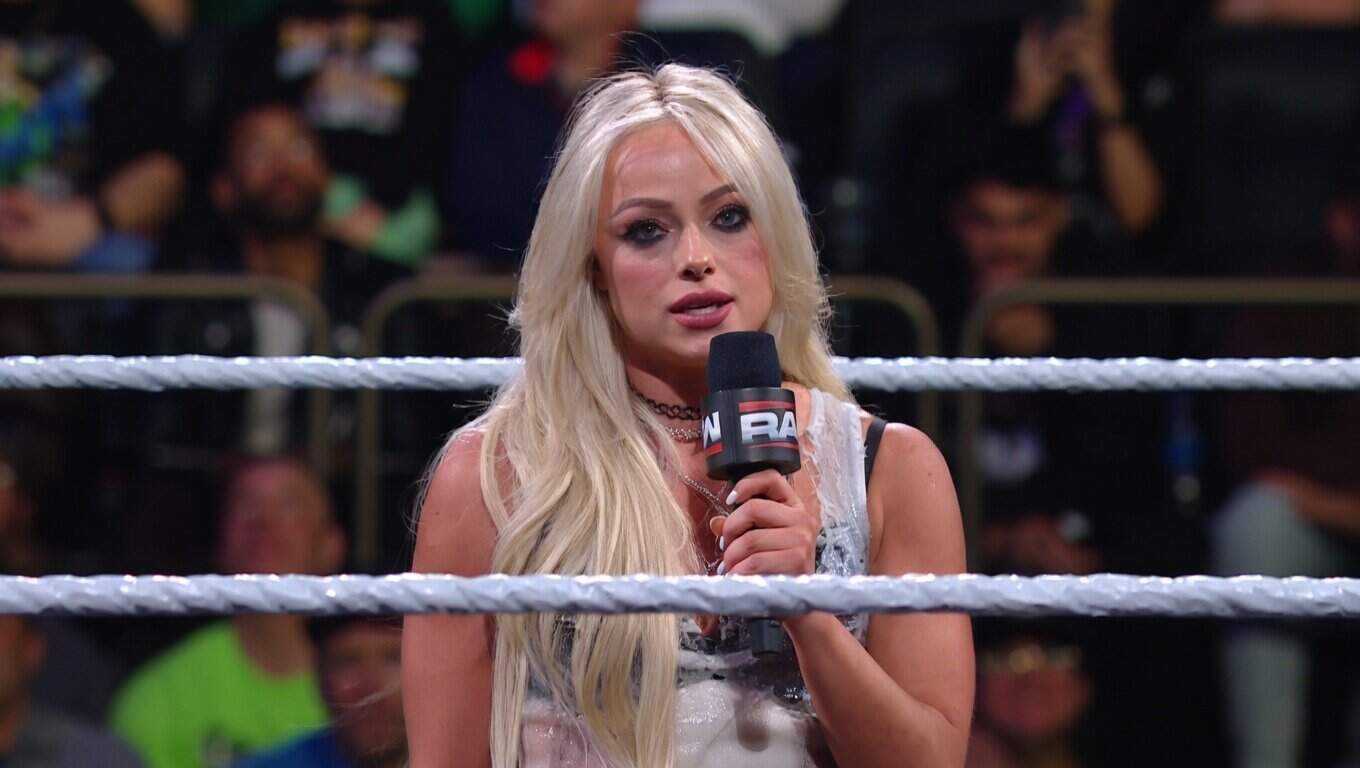
Let's talk about the women's title picture. Tiffany Stratton is holding the gold. Her Moonsault is statistically the most protected finisher in the company right now. Nobody kicks out.
But the setup for the Moonsault takes too long. She drags her opponent to the corner. She plays to the crowd. It takes a full twelve seconds from the slam to the impact.
In a big pay-per-view match, that twelve-second window is an eternity. It is exactly the kind of window a veteran like Bayley will exploit at Backlash.
Bayley doesn't beat you with speed anymore. She beats you with anticipation. She knows where you are going to be before you do. She will slide the knees up.
But the SmackDown creative team has buried this detail under a mountain of backstage comedy segments. We have hours of television to fill, so let's have Bayley walk around talking to random midcarders for a month instead of building the in-ring tension.
Tomorrow night, Bayley and Stratton need a face-to-face in the center of the ring. No physical contact. Just a clear establishment of the stakes.
A masterclass in time-wasting
Take last week's main event. Cody Rhodes and Kevin Owens against Solo Sikoa and Jacob Fatu.
On paper, a phenomenal tag team main event. In execution, a tedious exercise.
The match went twenty-four minutes. The first eight minutes featured exactly four wrestling holds. The rest was posturing, circling, and playing to the crowd.
Owens is usually a high-motor worker. He presses the action. But even he looked completely drained by the format. He spent three minutes working a headlock on Sikoa that served no narrative purpose other than hitting the commercial break at the top of the hour.
When they returned from the break, the heat segment began. Fatu isolated Owens.
This is where you see the difference between a main eventer and a generational talent. Fatu didn't just beat Owens down. He cut off the ring. Every time Owens crawled toward his corner, Fatu didn't strike him. He simply stepped laterally, placing his body between Owens and Rhodes.
It is brilliant spatial awareness. It is the wrestling equivalent of a center-back showing an attacker inside, away from the passing lane.
But then the third commercial break hit. Yes, a third break in a single match.
By the time we reached the finishing sequence, the live crowd was dead. They had been in the building for hours.
You cannot book a hot finishing stretch when the audience is thinking about beating traffic. The math doesn't work.
The 24-minute match could have been a legendary 14-minute sprint. The bloated runtime killed it.
The midcard holding pattern
Look further down the card and the pacing issues compound. LA Knight is a victim of this format. He is stuck in a holding pattern.
The third hour hasn't given him more microphone time. It has just diluted his impact. You get a ten-minute feeling-out process in a match between Knight and Santos Escobar. Why? Because they have to hit their designated segment time.
Knight operates best in short, explosive bursts. He needs a live microphone for three minutes and a match that doesn't overstay its welcome. Giving him twenty minutes of ring time exposes his repetitive corner stomps.
Escobar is technically sound, but his heat segments drag. He applies a chinlock and holds it for ninety seconds while the camera cuts to the crowd checking their phones.
A tighter show forces Escobar to abandon the rest holds. It forces Knight to hit his signature spots with velocity. It creates urgency.
Looking ahead to Backlash
When the two-hour shift finally happens, expect an immediate surge in match quality.
The workers won't have to pace themselves for a marathon. They can sprint.
Two hours is the sweet spot for a main roster broadcast. It allows for one long promo, two substantial matches, and a couple of tight backstage angles.
We have nine days until Backlash. Nine days to finalize the card and sell the remaining tickets.
Tomorrow's episode needs to be a hard pivot. Stop stalling. Stop padding the runtime.
If Cody is wrestling Fatu, we need a pull-apart brawl. We need bodies flying over the barricade. We need the feeling that these two men legitimately despise each other.
We don't need a twenty-minute contract signing moderated by a general manager. We've seen that movie. We know how it ends. The table flips, someone takes a bump, we fade to black.
The tactical breakdown of Rhodes vs. Fatu is fascinating if you actually let them work. Fatu is the immovable object. Cody is the relentless wave.
Rhodes' entire offense is built on forward momentum. The Disaster Kick requires a running start. The Cody Cutter requires a springboard.
Fatu counters forward momentum by simply standing still and throwing a superkick. He uses the opponent's kinetic energy against them. It is devastatingly effective.
To retain at Backlash, Rhodes has to change his approach. He cannot run at him. He has to grapple. He has to ground the big man.
I predict Rhodes will retain on May 9. He is too smart to fall into Fatu's traps twice. The champion will weather the storm, dissect the knee, and escape with the title.
I will be watching tomorrow night with my notebook. I will chart Cody's ring positioning. I will time the Bloodline's interference patterns.
I will look for the subtle shifts in momentum that separate a good match from a great one.
But mostly, I will be watching the clock. Waiting for the day when 120 minutes is the standard again.