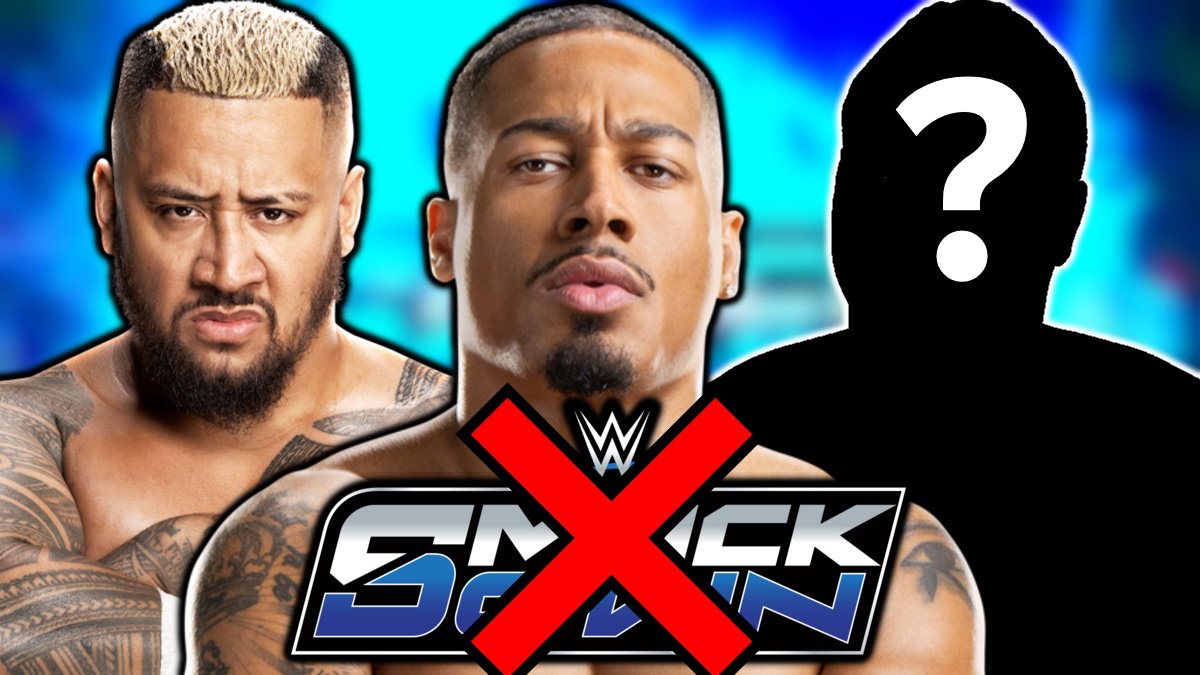
Star power gaps and the missing women's division
The absence of established talent on the blue brand has hit a point of friction that requires internal audit. Fans tuning into recent editions of SmackDown expected the gravitational pull of major names, yet the show has leaned heavily on rotating mid-carders. Even when talent is available, the execution falters, leaving gaps in the hierarchy that weaken the overall product.
Reports originating from recent inquiries into talent absences suggest that the lack of Brie Bella and Paige on the show was not a creative choice but a logistical hurdle. When a roster lacks the flexibility to deploy its most recognizable faces, the viewing experience suffers. It forces the writing team to pivot, often resulting in directionless segments that fail to advance character arcs.
The structural fatigue at the Performance Center
This is not a standalone issue. The recent struggles with booking strategy demonstrate a broader malaise that is beginning to infect the main roster broadcast style. We are seeing a pattern where segments serve as fillers rather than necessary build-ups for recurring stakes. If a tag team match ends without narrative movement, it functions as little more than cardio for the athletes involved.
Consider the June 9 edition of NXT, which proved that an over-reliance on the home base does not guarantee success. The Fraxiom victory over Noam Dar and Romeo Moreno was technically sound but lacked the tension required to move the needle. When the matches happen in a vacuum, the viewer loses the impetus to invest in the next segment.
Tactical analysis of the current booking
The core problem remains the transition between developmental logic and primetime demands. SmackDown should be the premium product, yet the pacing often mirrors the repetitive structure of a training cycle. We are seeing a lack of urgency that suggests the creative battery is running dry.
Booking talent is an exercise in resource management. If Brie Bella and Paige were confirmed but pulled due to scheduling conflicts rather than narrative shifts, the audience feels the disconnect. A smart promotion aligns availability with intent. The inability to communicate or adjust around these absences is a failure of operational awareness.
Predicting the impact on the coming weeks
Expect the creative team to double down on filler feuds to paper over the gaps until the summer schedule intensifies. They need to find a way to make the mid-card relevant or risk losing the momentum they built earlier this spring. The current xG for compelling television—if we were to measure it by heat and fan engagement—is dipping toward the floor.
My prediction for the remainder of June: expect a stagnant period characterized by formulaic booking and a lack of breakout promos. Unless the writers move away from the current isolation of the tag divisions and prioritize high-stakes interaction, the numbers will reflect the boredom. They are currently hitting a ceiling in terms of viewer retention, and until they address the reliance on rotating slots, that 3.2 rating ceiling stays well out of reach.