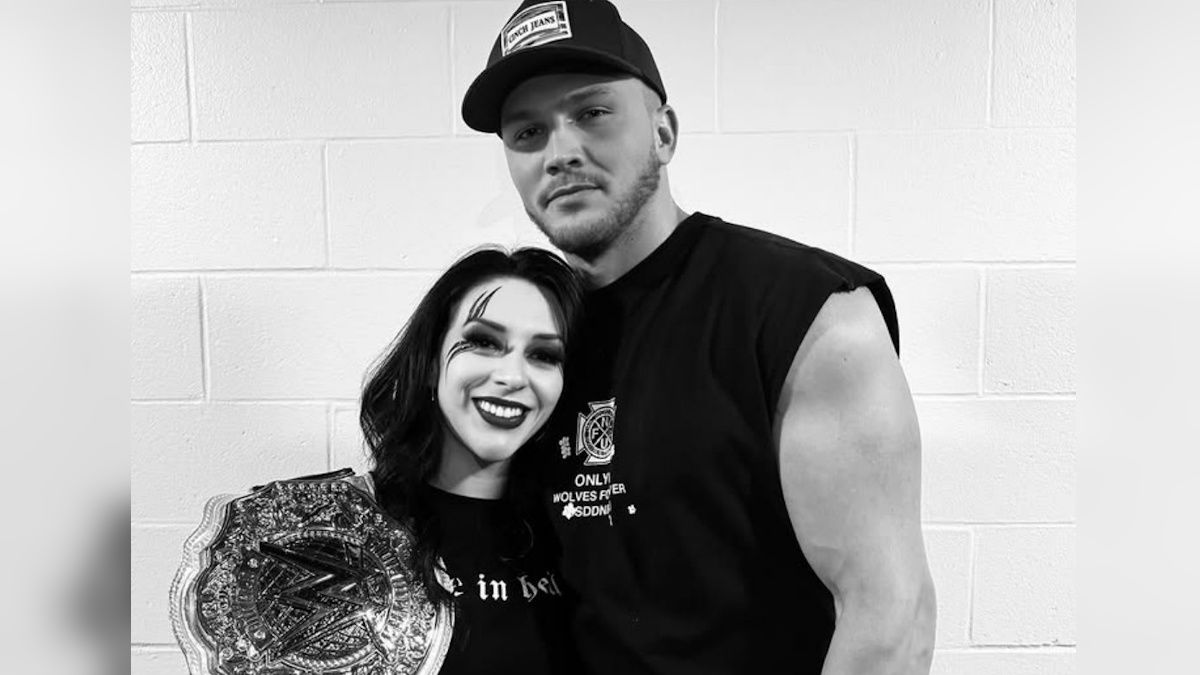
Stalking isn't fandom: Why WWE talent deserve their privacy back
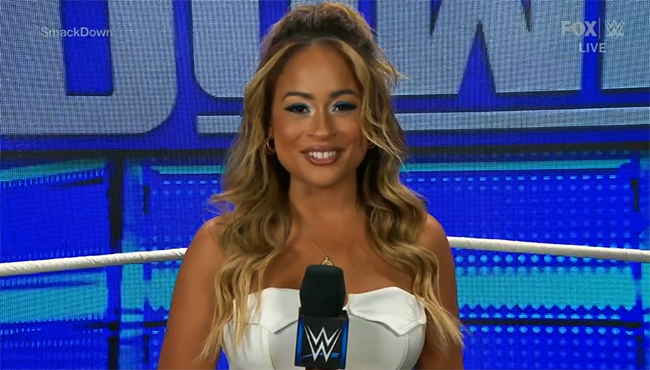
The boundaries of parasocial obsession have breached reality
The relationship between professional wrestlers and their audience has long been built on intimacy. Unlike scripted cinema or traditional team athletics, the ring creates a feeling of direct connection. Fans feel they know these performers because they watch them bleed, travel, and triumph on a weekly basis.
However, that perceived access is being weaponized in ways that threaten the safety and sanity of the roster. Kayla Braxton recently highlighted this erosion of boundaries, specifically calling out individuals who follow talent to airports and hotels. When the line between watching a professional in the ring and tracking them in their personal time is crossed, it stops being fandom and starts becoming harassment.
The logistical reality of the road
Professional wrestlers exist in a state of perpetual velocity. A typical week involves multiple television tapings, house shows, and cross-continental travel just to maintain the schedule of a global brand. The airport and the hotel are the only two places these individuals have to decompress before the next bell rings.
Expecting a performer to be 'on' during a layover in Chicago or a late-night check-in in a hotel lobby is a profound misunderstanding of the job description. These people are not characters in a sitcom who magically cease to exist when the lights go down. They are working athletes under significant physical strain, often grappling with the exhaustion that comes with 200+ days on the road each year.
The myth of the public figure trade-off
A common argument from the fringes of the fan community is that high-profile status demands public availability. This is a tired defense used to excuse intrusive behavior. While crowd-facing appearances at signings or sanctioned events are part of the transaction, the private spaces between those appearances are non-negotiable.
When individuals prioritize getting a blurry selfie over the basic dignity of a performer’s private space, they do more than just annoy a star. They create an environment where security must remain on high alert in places that should be sanctuaries. This shift is not merely about manners; it is about recognizing that talent has a right to move through their own life without being under surveillance by people who assume their ticket purchase entitles them to 24/7 access.
Professionalism and the risk of escalation
The industry manages an immense amount of security during live events. However, as noted in reports on recent industry concerns, the perimeter of those events is now expanding into the transit hubs surrounding them. This puts the performers in a difficult spot. They want to be kind to supporters because they understand the economic importance of the fanbase.
But kindness, when met with repeated boundary violations, eventually turns into caution. If performers feel forced to limit their public movement or travel in guarded bubbles at all times, the audience is actually taking away the very things they claim to admire. The obsession with capturing an unscripted moment often ruins the chance for any genuine, respectful interaction to even take place.
A plea for the mundane
We should be able to enjoy the product without needing to consume the human behind the mask at every turn. If you find yourself waiting in a hotel lobby to ambush a performer, you have lost the thread of what it means to be a fan. A wrestling career is a fragile thing, built on physical sacrifice and significant personal tax.
To support that career, start by respecting the transit time they have managed to carve out for themselves. The best way to engage with the talent is to buy the ticket and enjoy the match. Everything else, quite frankly, should be off-limits.
Frequently Asked Questions
Why is stalking wrestlers at airports and hotels considered harassment?
What does the phrase 'parasocial obsession' mean in wrestling?
How does the WWE travel schedule impact a wrestler's need for privacy?
What is the common myth regarding public figures and privacy?
How has recent fan behavior changed the safety concerns for WWE stars?
More Coverage
Conor McGregor is playing everyone for fools about a WWE run
35 minutes ago
Ludwig Kaiser's legal drama is turning into a messy saga
an hour ago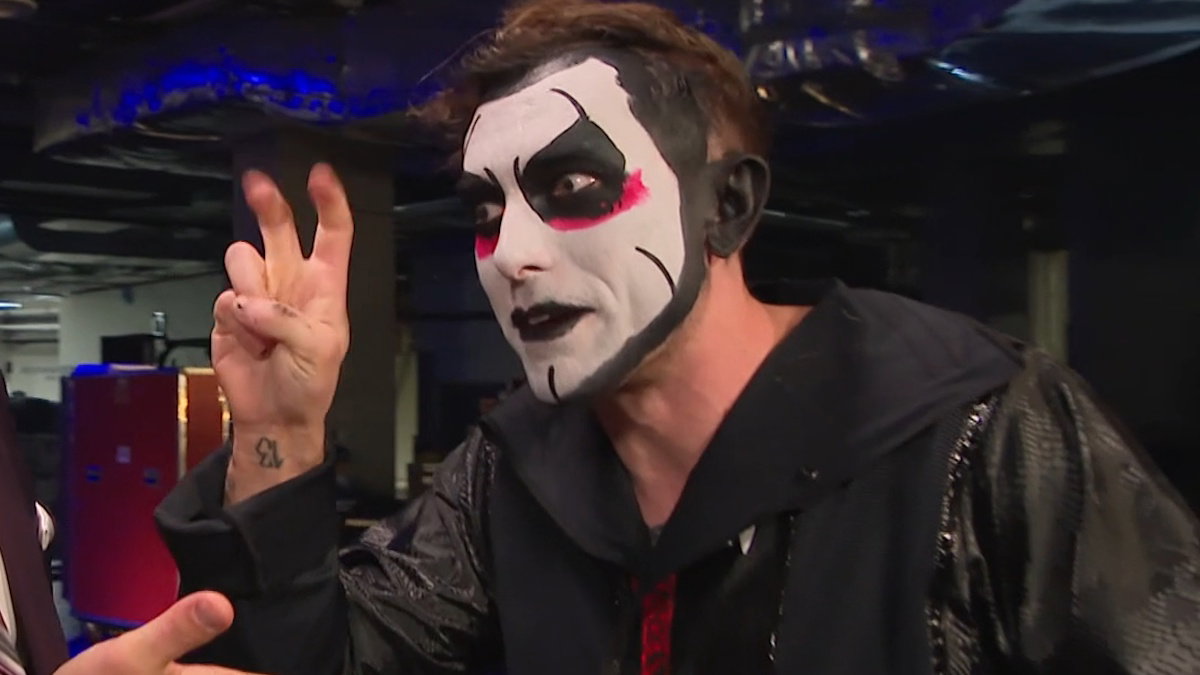
Danhausen’s jar of teeth is the most divisive prop in WWE right now
2 hours ago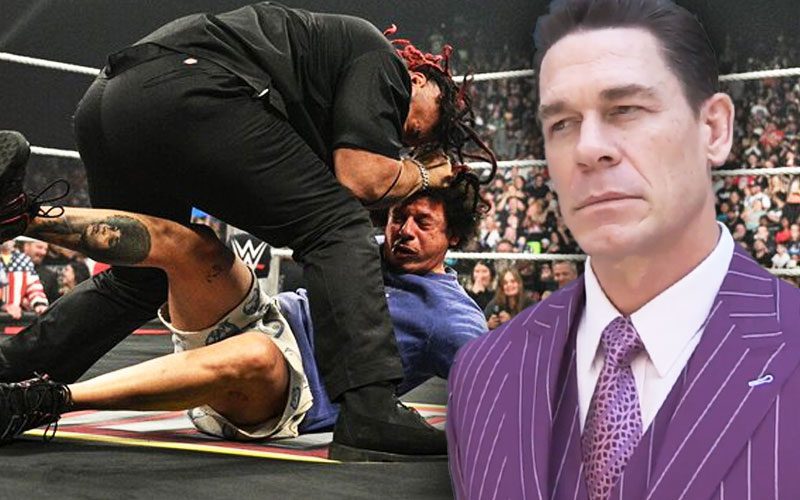
Jacob Fatu is the anchor for The Bloodline's next evolution
2 hours ago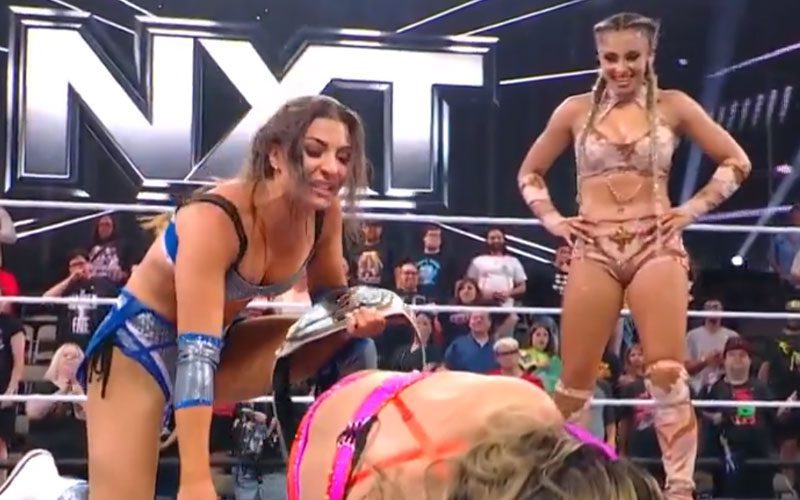
Kendal Grey needs to stop pretending that belt shot was an accident
3 hours ago
Kendal Grey’s NXT title strike exposes the thin line between intent and execution
3 hours agoMore Analysis
Stalking is not fandom and some of you need to get a grip
1 day, 21 hours ago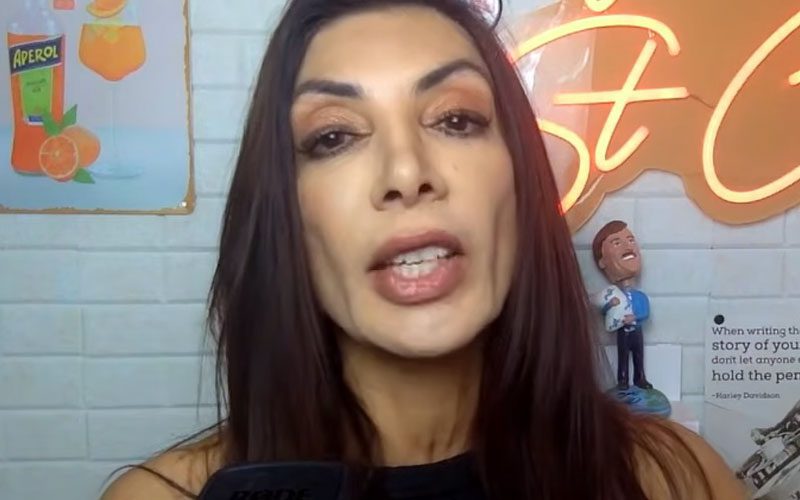
The entitlement paradox: Why wrestling fans and stars remain at odds
1 week, 4 days ago
WWE must tighten security as personal boundaries continue to blur
1 day, 8 hours ago
The nightmare of modern fandom is hitting the squared circle
2 days, 3 hours ago