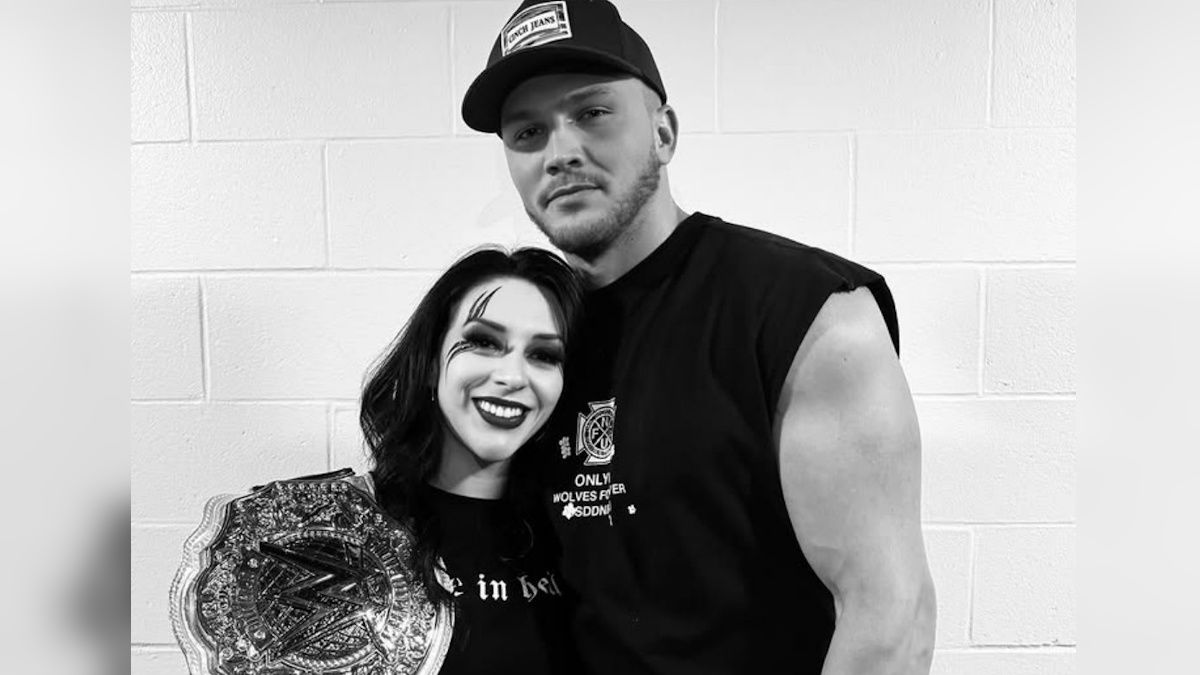
The entitlement paradox: Why wrestling fans and stars remain at odds
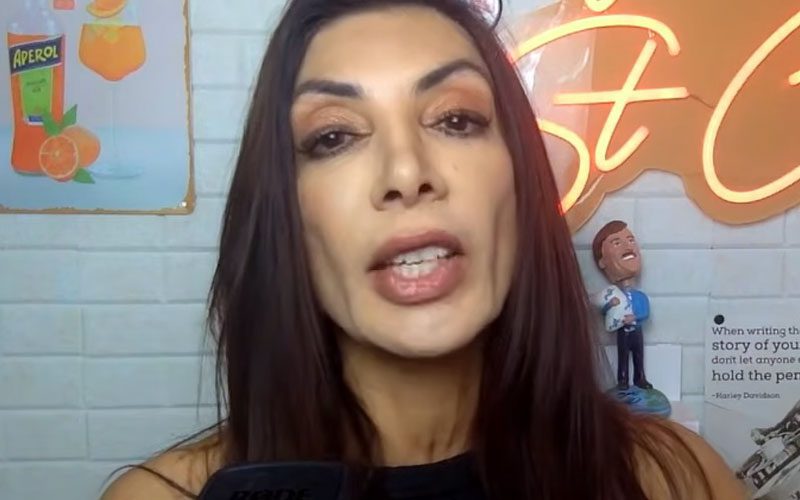
The friction between performer access and personal space
The recent discourse surrounding wrestler boundaries feels less like a debate and more like a collision of two distinct eras. When Indi Hartwell discussed the necessity of professional distance during a conversation with Dom D'Angelo, she articulated a standard expectation for any public figure. Yet, the reaction from figures like Jasmin St. Claire, who suggested that performers who desire privacy should stay at home, highlights a toxic expectation of total surrender for the sake of entertainment.
This rhetoric is fundamentally flawed because it conflates athletic performance with an open-door policy on personal life. We see this play out in real-time when fans track flight numbers or congregate at hotels under the guise of fandom. St. Claire’s stance ignores the fact that wrestlers are independent contractors who endure significant physical tolls. They are selling a match, not a 24-hour lease on their identity.
Analyzing the blurred lines of modern engagement
The history of professional wrestling is paved with stories of blurred lines, but the current digital environment has accelerated this tension. There is a documented trend of fans mistaking familiarity with intimacy. When someone like Hartwell advocates for boundaries, she is not attacking the fanbase. She is describing a workplace requirement. As Ringside News reported, the pushback from the older guard suggests an inability to adapt to modern safety concerns.
We have to address the transactional nature of these interactions. A ticket purchase buys a seat at the arena, the right to boo a heel, and the experience of watching a Lucha-style sequence or a technical clinic. It does not grant the purchaser an ownership stake in the performer's off-duty hours. Expecting a star to be perpetually 'on' is not just unreasonable—it is a recipe for physical and mental exhaustion.
The missed opportunity in fan-star discourse
The failure here is twofold. First, promotions often encourage artificial closeness to drive social media engagement, effectively manufacturing the illusion of friendship. Then, when the reality of professional boundaries creates conflict, the promotions rarely step in to provide clarity. This leaves performers to navigate the fallout of fan harassment or aggressive encounters on their own.
Critically, the industry has failed to set a standard baseline for conduct. We see wrestlers constantly subjected to invasive questions during signings or unauthorized filming in transit hubs, yet the discourse frequently shifts to blaming the talent for being 'ungrateful.' This ignores the reality that performers are often one incident away from a genuine safety concern. The industry needs to pivot toward protecting its talent by clearly defining the limits of fan access.
If a performer is executing a high-stakes spot, their output is measured in 95 percent accuracy or consistent work rate. That is the metric that matters. Their ability to manage fans at 2:00 AM in a hotel lobby is not part of their job description. We should be judging these athletes on their storytelling abilities, their pacing, and their ability to sell a narrative in the ring. The rest is simply white noise generated by an era that refuses to evolve.
Everlast 70lb Heavy Bag (Starter Pro Pack)
Train like a superstar and get your cardio in with some stress relief.
Frequently Asked Questions
What is the core conflict between wrestlers and fans regarding boundaries?
How do modern fan behaviors endanger wrestling performers?
What does a wrestling ticket purchase actually entitle a fan to receive?
Why do some industry figures feel wrestlers should accept constant access?
How do wrestling promotions contribute to these boundary issues?
More Coverage

WWE Unreal season 3 is making the IWC lose its mind
an hour ago
Bayley’s slide confirms the brutal math of WWE’s roster depth
2 hours ago
WWE's WrestleMania 43 strategy is a logistical head-scratcher
3 hours ago
Top 10: The Definitive WWE Fan Watch Experiences
3 hours ago
Chelsea Green and Matt Cardona's travel drama is the relatable chaos we need
4 hours ago
Top 10: Wrestling Stars Defining the Current Cycle
5 hours agoMore Analysis

Why the locker room is pushing back against fan behavior
2 days, 19 hours ago
Damian Priest is right: Being a fan doesn't give you a free pass
3 days, 10 hours ago
WWE must tighten security as personal boundaries continue to blur
1 month ago
Staying out of wrestlers' lobbies shouldn't be this hard
3 days, 7 hours ago
Stalking isn't fandom: Why WWE talent deserve their privacy back
1 month ago