Five years of consistency vanish for TNA
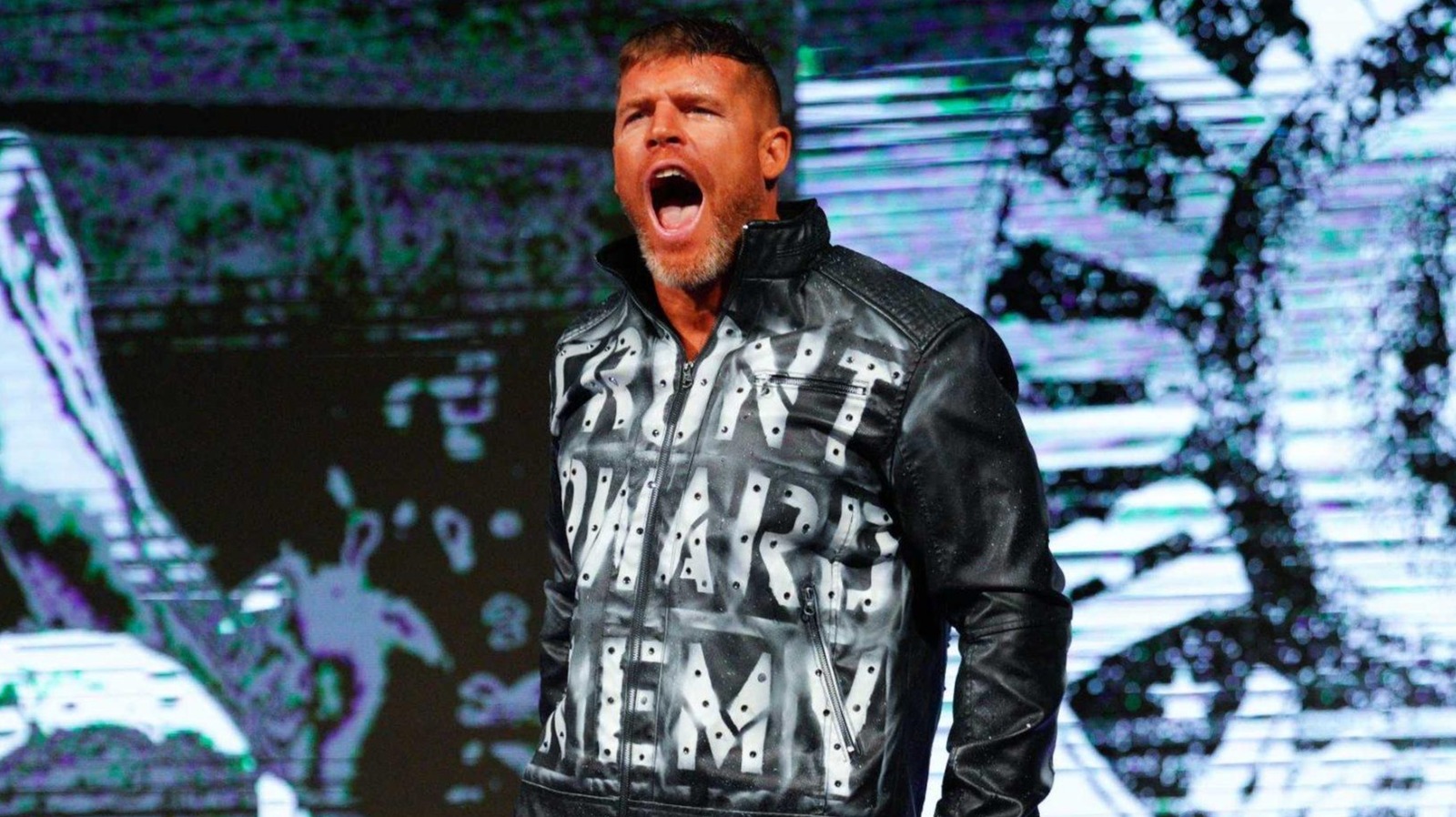
Steve Maclin exited TNA Wrestling this month, marking the end of a tenure that spanned exactly 60 months. In an industry where booking cycles rarely last longer than a calendar year, five years is an eternity. This departure leaves the top of the card thinner than at any point since early 2022. It presents a statistical void for a promotion that relies on reliable, high-workrate performers to anchor its secondary titles.
The math behind the momentum
Maclin held the TNA World Championship for 105 days during his 2023 reign, a run that stabilized the belt after a period of instability. His departure disrupts the natural rotation of main-event talent. When a wrestler with his track record leaves, the promotion loses more than just a name; they lose a workhorse who averaged over 80 matches annually during his stint. As Matt Hardy noted, the exit leaves the locker room and the fans in a state of idle curiosity. Hardy's reaction captures the uncertainty surrounding a roster spot that accounted for substantial television time.
Measuring the downstream impact
The statistical reality of Maclin’s absence is severe for TNA’s current booking architecture. He wasn't just a mid-card hand; he was a designated gatekeeper for incoming talent. By effectively removing 15% of the primary main-event rotation, TNA must elevate undercard performers faster than their current growth curves allow. This is a recurring issue in professional wrestling. Replacing a performer with local experience is never as simple as slotting in a new face.
I'm curious, I'm excited.
Hardy's comment reflects the pragmatic optimism of a peer, but the metrics suggest a more difficult transition for the bookers. If TNA cannot secure a direct equivalent to Maclin’s production rate—which included headlining 4 major pay-per-view events over his final two years—the quality of the main event slot will inevitably fluctuate. The company now faces a 90-day window to stabilize its creative direction before viewer attrition rates typically begin to spike following a high-profile exit. The TNA creative team is now forced to gamble on younger talent filling the massive 20-minute average match time previously assigned to Maclin. Whether they succeed will dictate the company's fiscal performance for the remainder of 2026.