The shadow of Eddie Andelman
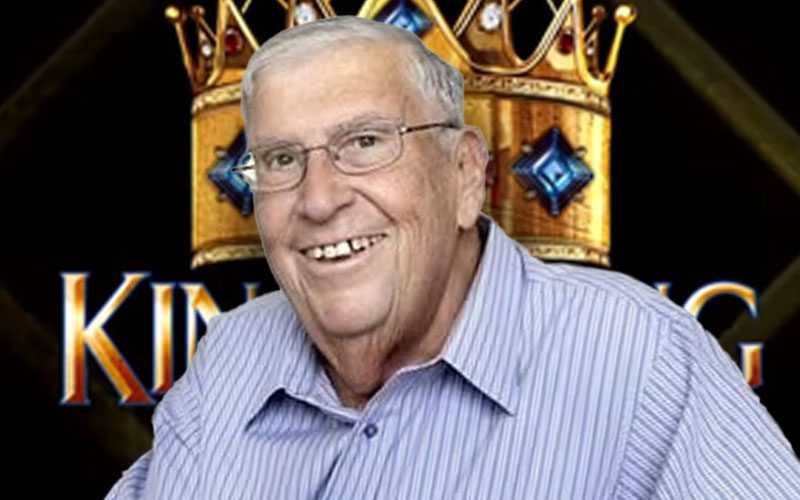
The recent passing of Eddie Andelman at 89 brings a necessary reality check to the modern wrestling product. As reported by WrestlingNews.co, Andelman was the architect behind the King of the Ring tournament concept. It was a simple, brutal bracket that built stars overnight.
Today, the tournament feels like a relic hunting for purpose. We treat it like a prestige event, yet the booking often discards the winner by the next pay-per-view. Andelman understood that a title needs to signify status, not just fill three hours of television filler.
The inconsistency of modern brackets
In the current era, the tournament has suffered through years of stuttering relevance. One year it is a springboard for a future world champion, and the next, it is a vanity project for a mid-card act with no creative direction. This year’s build-up has been particularly disjointed.
The lack of stakes keeps the pacing flat. When the crown provides nothing but a fancy cape and a tired promo style, the tension vanishes. We are watching athletes risk their bodies for a result that rarely moves the needle on quarterly earnings or character development.
The disconnect between talent and booking
The athleticism inside the squared circle currently outstrips the writing. We see technical clinics every week, but the tournament framework requires a narrative hook that the current creative team struggles to maintain. A wrestler can hit a spinning backfist or a perfectly timed moonsault, but if the match lacks a reason to hate the opponent, the energy dies in the arena.
The booking committee treats fatigue as a narrative device, but it just leads to slower matches. When a tournament features more than 16 competitors in a single cycle, the exhaustion is visible. It makes for sloppy transitions and mistimed spots that an audience trained on high-speed sequences won't ignore.
Predicting the tournament outcome
The current bracket is locked, and the favorites are predictably stale. We are likely looking at a result designed to placate a specific market segment rather than push a fresh face to the top of the card. The reliance on established stars instead of building new ones is a tactical error that stalls momentum.
Watch the final matchup closely. If they choose the safe path, expect a finish involving interference at the 18-minute mark that renders the winner’s victory hollow. My call? The company will prioritize a short-term TV spike over long-term storytelling. Look for the favorite to drop the strap within three months of the crowning ceremony.
Read Next