Minneapolis is the staging ground for a roster shakeup
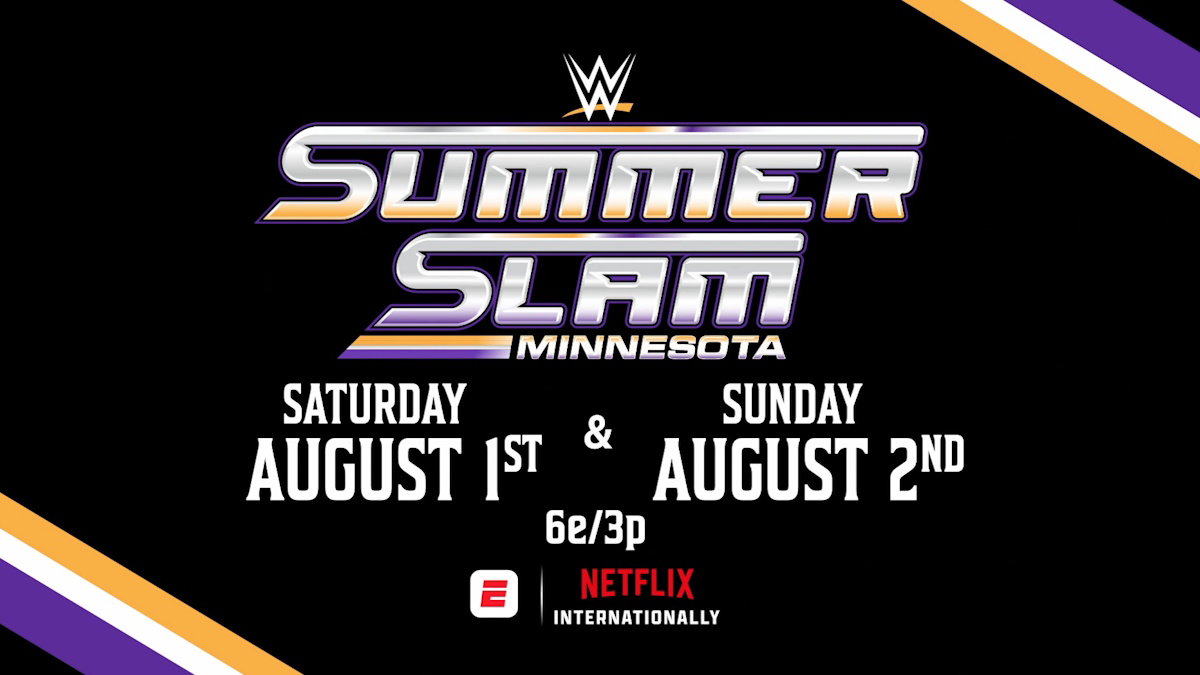
We are officially sitting on the doorstep of SummerSlam 2026. The two-night event in Minneapolis is positioned to be the pivot point for the second half of the year. While the card remains fluid, the booking logic for various titles suggests that management is ready to move away from stagnant reigns.
As WrestleTalk recently analyzed, there is a clear appetite for belt movement across the spectrum of the mid-card and main event. We have seen high-profile title matches become predictable over the last quarter. Expect the creative team to pull at least two surprise pins or submission finishes to generate genuine heat heading into the fall.
The free agent market is creating locker room anxiety
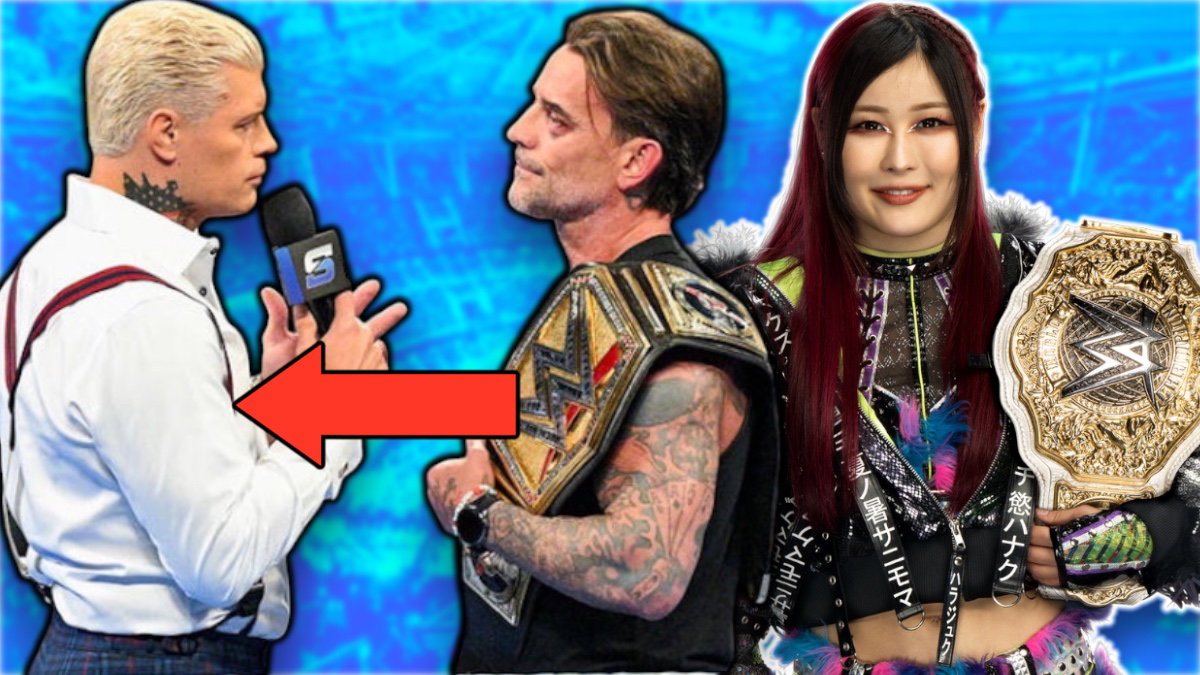
The talent pool is shifting rapidly. Kairi Sane has confirmed her status as a free agent, sparking a dozen conflicting reports about her future landing spot. When a performer of her caliber hits the open market, it forces the creative team to either fast-track a return or pivot to developing younger, less-defined talent.
We are also seeing the end of several high-profile 90-day non-compete clauses. Former stars are currently utilizing social media to build hype, with recent teases like 'It’s showtime' and 'See you soon' becoming industry standard. As noted by recent coverage on F4WOnline, these windows of exclusivity are becoming the primary catalyst for short-term narrative shifts.
The booking flaws are hidden in plain sight
Despite the optimism, the booking philosophy currently feels reactive rather than proactive. Relying on surprise returns and revolving-door free agents is a patch, not a long-term strategy for success. There is a glaring lack of depth in the mid-card division that isn't being addressed by simply cycling through veteran talent.
If the promotion continues to prioritize shock value over sustained character arcs, the viewership numbers will stagnate faster than the creative team can correct them. We need to see more than just 'shock' returns; we need actual stakes in these feuds. SummerSlam needs to deliver clean, decisive victories that aren't tainted by interference or technical disqualifications at the 15-minute mark of the broadcast.
Predicting the shifts
My forecast for these two nights is aggressive. We are likely to see at least one major championship dropped by an established star to a rising challenger with the internal goal of elevating the talent pool's baseline utility. The promotion needs to reset the hierarchies or risk boring the audience by the time we hit the winter cycle.
It is worth noting that for all the external hype, individual technical output has been inconsistent. Matches that should have been show-stealers often fall flat under the weight of bloated production requirements. A leaner, meaner SummerSlam is exactly what the fans deserve, but I suspect we are looking at a 4-hour broadcast that will struggle to maintain intensity throughout both nights. My money is on a chaotic finish to the main event that leaves more questions than answers.
Read Next