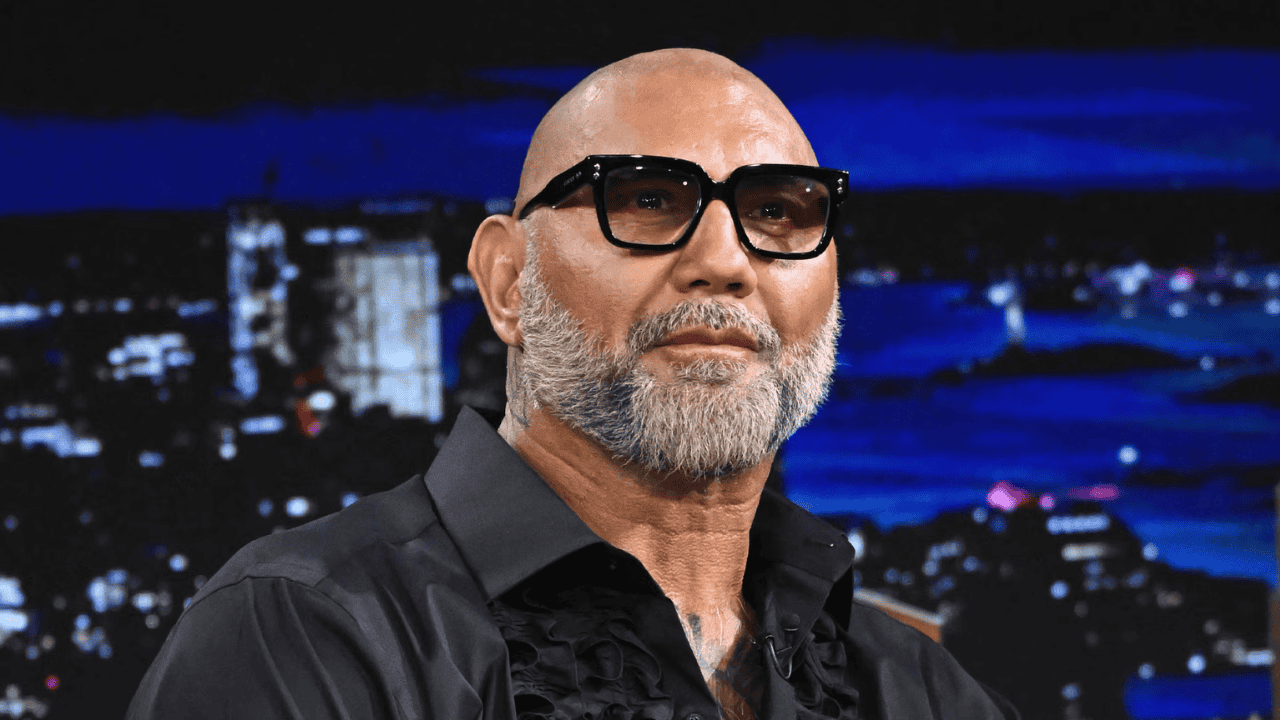
The end of an era is final
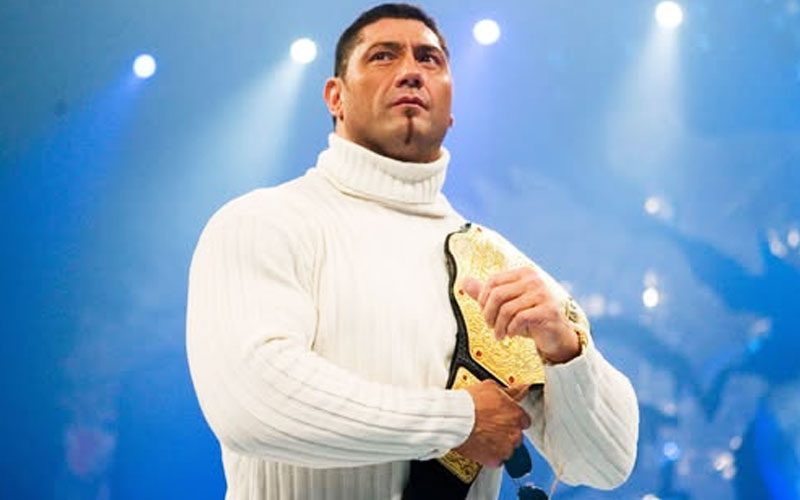
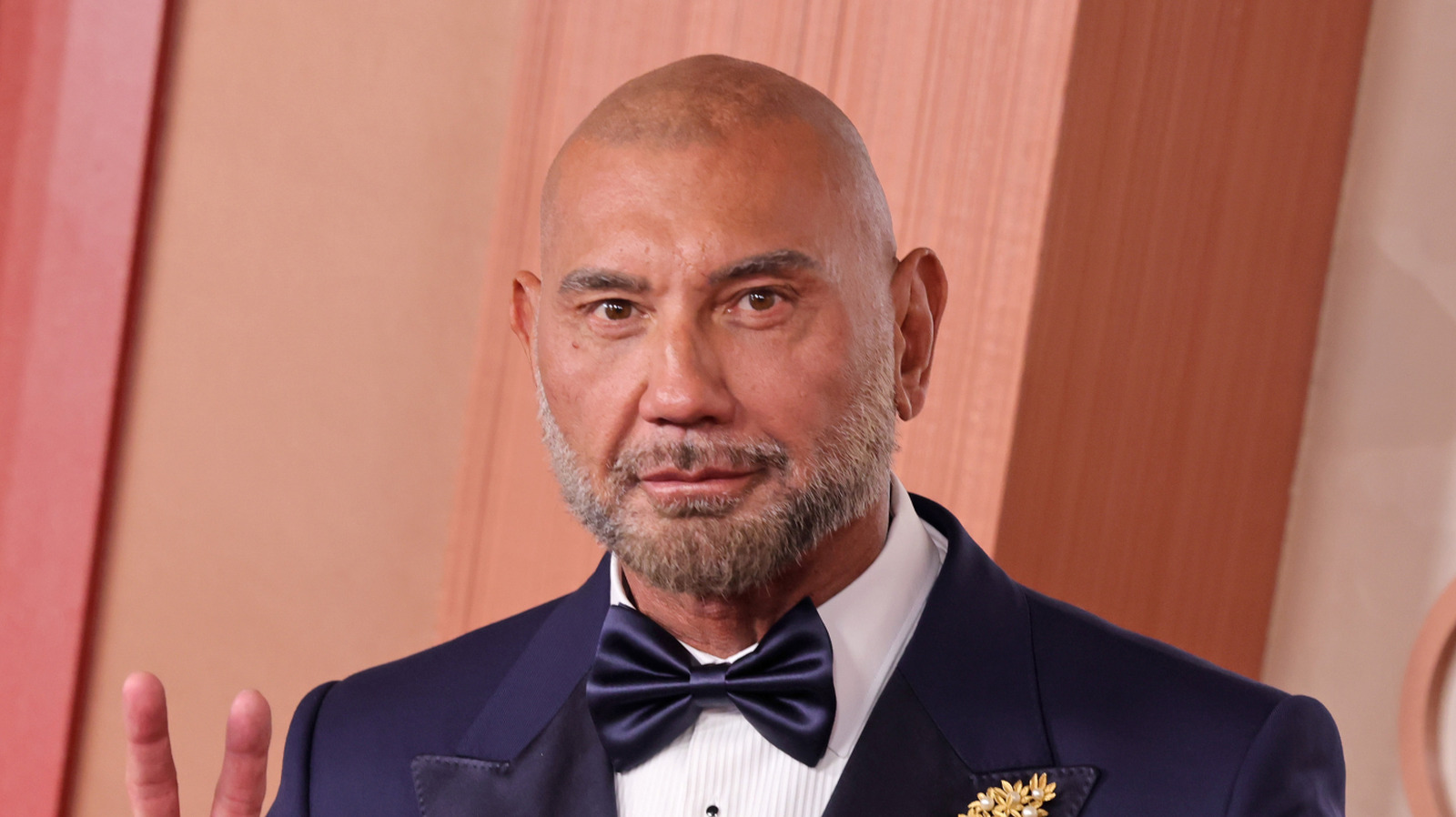
Professional wrestling is defined by the lure of one more payday. Legends perpetually hover near the curtain, waiting for a nostalgia pop that rarely matches the memories. Dave Bautista, however, has effectively shuttered that door. He has explicitly stated he would rather return to manual labor than lace up a pair of boots in a WWE ring for another match.
This isn't the standard retirement posturing we see from journeymen seeking a higher guarantee on a legends contract. As recent reporting confirms, the former Animal is content with his current trajectory outside the squared circle. He frames his exit not as a bridge burned, but as a book closed with a deliberate, clean finish.
Reflecting on the hostile locker room
Bautista’s current distance from the industry makes his past comments regarding the environment of the early 2000s even more jarring. He has consistently described the locker room of that era as a genuinely hostile space, lacking the professional camaraderie expected of a billion-dollar roster. It was a time when the product was shifting away from the chaotic, unscripted edge of the late nineties.
He noted frequently that there was nothing family-friendly about his persona or the realities of his climb to the top. To understand his current stance, one must look at his history as a performer who survived the gristle of a locker room that prioritized physical toughness over technical pacing. He carved out a spot in the main event despite an ecosystem that fundamentally sought to break talent before building them.
The perfection of a clean exit
Most wrestlers suffer from the inability to distinguish between their peak and their decline. We see this in botched retirement tours that drag on for 24 months longer than logic dictates. Bautista avoids this trap entirely by prioritizing the sanctity of his final performance.
His exit was designed to be his terminal point in the industry. For a man who built a career on the Batista Bomb—a move that relies on explosive power and core strength—the idea of clinging to relevance via limited-match contracts likely feels beneath him. He has achieved what few in this business manage: the ability to walk away entirely on his own terms. His insistence on staying away, even under the threat of financial ruin, underlines a commitment to his legacy that is rare.
The cost of a career
Critics of his stance miss the point about the psychological toll of that specific era of wrestling. Bautista spent his prime in a high-impact, high-travel environment that demanded everything from his joints and connective tissue. As reported by multiple outlets, the desire to never return isn't born of bitterness toward the medium, but of a desire to move forward to legitimate acting projects.
He is not the first performer to express disdain for the grind, but he is one of the few with the leverage to make it stick. By refusing the siren call of a Hall of Fame return-match gimmick, he protects the authenticity of his retirement. He has effectively locked his legacy in a vault, preventing the slow decay that happens when a star returns for a subpar performance in front of a modern audience.
A final prognosis for the industry
The industry will undoubtedly continue to court him, hoping to splash his name across a banner for an anniversary event. They will offer 7-figure paydays to move tickets at stadiums, but the economics have changed. For Bautista, the math no longer balances against his current quality of life.
Predicting a return for this specific performer is a fool's errand. While wrestling fans love to cling to the mantra of never say never, Bautista has made his position clear enough to be considered final. Unless the industry fundamentally shifts its approach to talent safety and legacy preservation, he will be watching from his living room, not the gorilla position. I predict he sticks to his word—his career concluded at WrestleMania 35, and that remains the final chapter.
Read Next