The Soulmate Phenomenon in the Performance Center
The transition from the developmental cocoon of NXT to the harsh, bright lights of Friday Night SmackDown is rarely a linear progression. For every Tiffany Stratton who hits the ground at a full sprint, there are five prospects who get lost in the shuffle of creative resets and three-minute television windows. Tatum Paxley is attempting to avoid the latter by leaning into the most intangible asset a wrestler can possess: the kind of natural chemistry that makes a predetermined match feel like a legitimate struggle.
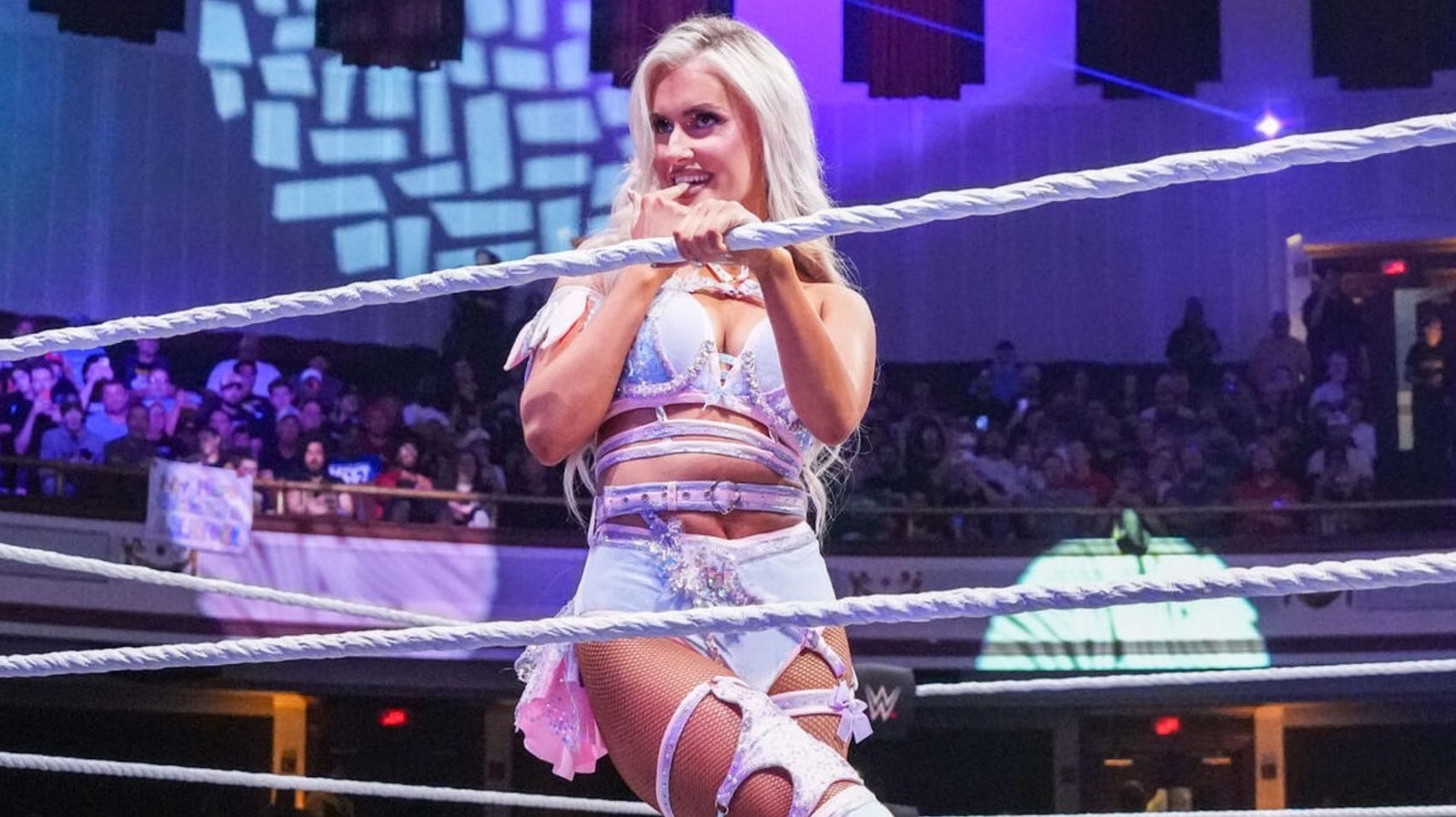
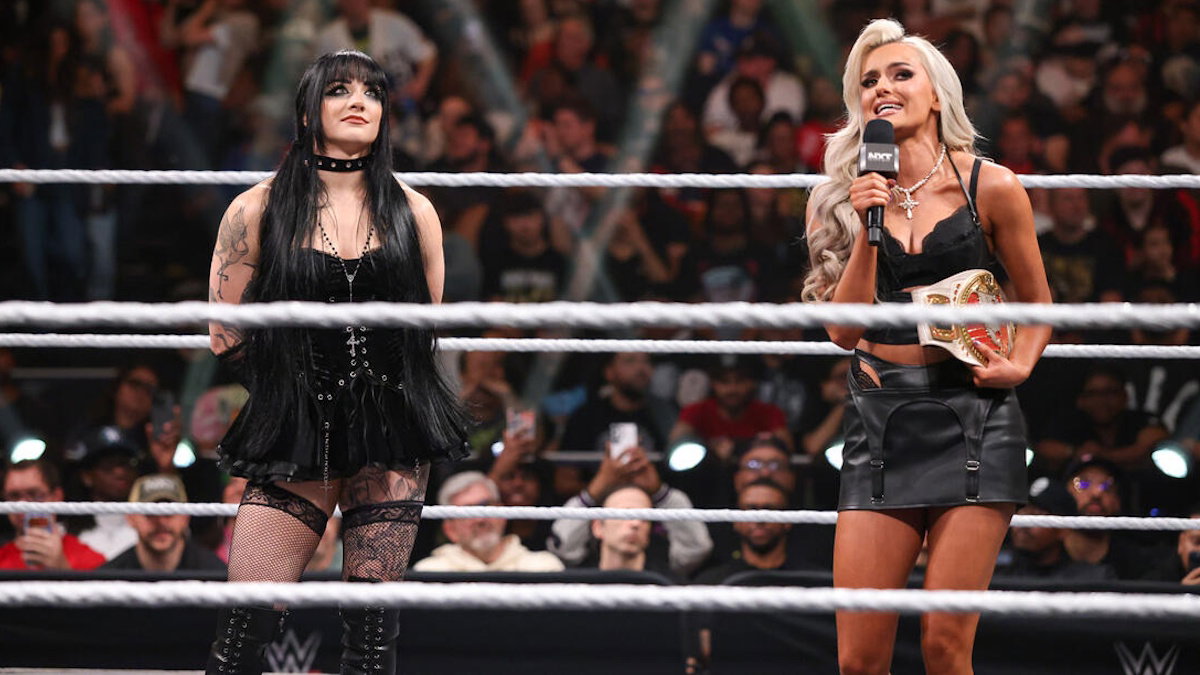
Speaking recently about her impending call-up, Paxley pointed to her series with Blake Monroe as the catalyst for her current trajectory. She described Monroe as her wrestling soulmate, noting that any time she stepped away from their work, she felt a sense of rightness that is rare in the modern Performance Center system. This isn't just sentimental hyperbole; the tape proves her point. Their matches were built on a foundation of escalating violence and technical counters that felt far more organic than the heavily choreographed sequences usually seen on Tuesday nights.
The Paxley-Monroe rivalry succeeded because it understood spacing and stakes better than most mid-card programs. While others relied on high spots to garner 'this is awesome' chants, Paxley and Monroe focused on the architecture of the match itself. They utilized the ring geometry to create believable near-falls, often using the Psycho Trap—Paxley’s signature modified cloverleaf—as a looming threat that Monroe had to constantly scheme against. It was high-level match psychology disguised as a blood feud.
Decoding the Paxley Technical Blueprint
On paper, Paxley is exactly what the main roster needs right now. She is a powerhouse athlete with the body control of a gymnast, a combination that allows her to hit a **450 splash** with more impact than most cruiserweights. But her real value lies in her evolution as a defensive wrestler. Over the last six months, she has mastered the art of the 'selling counter,' where she absorbs a strike or a slam and uses the momentum to transition into a submission or a roll-up. This shift in her style suggests a deep understanding of the mechanics required to work with larger opponents like Jade Cargill or Bianca Belair.
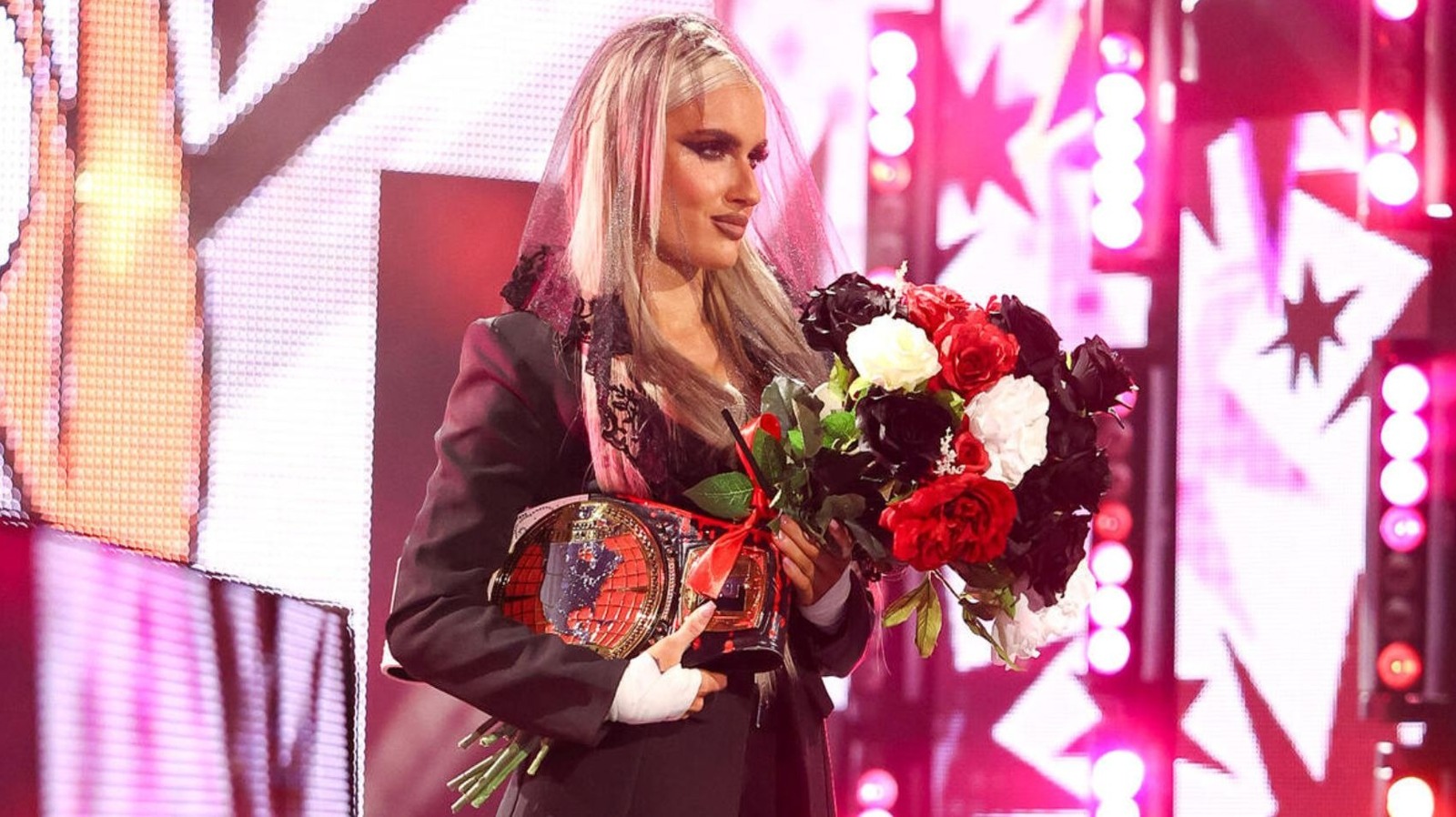
Her workrate has been the backbone of the NXT women’s division since **WrestleMania 41**, where she effectively anchored the multi-woman matches that defined the post-Show of Shows landscape. Critics often pointed to her early character work as being too derivative of the 'creepy' trope, but her run as the NXT Women’s North American Champion has stripped away the gimmicks. What is left is a sharp, tactical wrestler who treats the ring like a laboratory. She doesn't just hit moves; she tests the structural integrity of her opponents' limbs.
Watch the way she sets up her suplex variations. There is no wasted movement. She secures the waist lock, plants her lead foot to create a pivot point, and uses her lower body strength to generate the lift. It is technically proficient, but it also looks painful. This is the 'soulmate' effect Paxley mentioned—she found a partner in Monroe who was willing to meet that intensity head-on, forcing Paxley to sharpen her execution or get left behind in the rankings.
The Main Roster Gauntlet Awaiting the Champion
SmackDown is a different animal than the Capitol Wrestling Center. On Tuesday nights, you have the luxury of time and a crowd that has watched you grow since your first televised match. On Friday nights, you have to convince three million people that you belong in the same ring as Charlotte Flair within the first ninety seconds of your entrance. Paxley’s biggest challenge won't be her athleticism; it will be the compression of her match style. She is used to twelve-minute narratives, but on **SmackDown**, she might only get four minutes to make her point.
The current women's division on the blue brand is top-heavy and increasingly stagnant. With the draft behind us, there is a clear opening for a mid-card disruptor who can provide high-quality television matches without needing a twenty-minute promo segment to get over. Paxley’s 'obsessive' character traits can easily be pivoted into a hunter-style persona that targets established champions. The 'soulmate' logic applies here too—she needs to find a new foil on the main roster, someone who can speak the same tactical language she developed with Monroe.
There is a risk that her technical nuances will be ironed out by the main roster's preference for 'big moment' wrestling. Paxley’s best work is often found in the transitions—the small struggles for hand positioning or the way she fights to keep a shoulder off the mat. If the producers force her to cut those out in favor of a greatest-hits medley of her biggest moves, she loses the very thing that makes her special. She needs to fight for her identity as a tactician, not just a highlight reel.
The Cost of the Call-Up
We need to talk about the elephant in the room: the NXT Women's North American Championship. Paxley’s departure as champion marks the end of a **three-month** reign that was supposed to solidify the title's prestige. Instead, the title is once again in danger of being viewed as a secondary prize or a temporary placeholder. By pulling the champion up to the main roster so soon after the title's inception, WWE risks signaling to the fans that the belt is merely a graduation cap rather than a legitimate championship worth following.
The decision to move Paxley now feels like a reactive play to fill a depth chart rather than a proactive creative choice. While Paxley is undoubtedly ready for the challenge, the NXT ecosystem suffers when its most compelling protagonists are removed before their stories reach a natural conclusion. The rivalry with Monroe had at least one more major chapter left—a ladder match or an Iron Woman match would have been the perfect capstone to their 'soulmate' narrative. Instead, we are left with a sudden exit that leaves Monroe without her primary antagonist and the title without its most consistent worker.
Furthermore, the SmackDown roster is already crowded with talent that creative has seemingly forgotten how to use. Bringing Paxley in without a concrete long-term plan is a recipe for disaster. We have seen too many NXT standouts debut with a win, only to find themselves in catering by the second month because the writers didn't understand the technical appeal of their ring work. Paxley is a specialist; if you don't book her as such, she becomes just another name on the scroll.
Final Prediction: The Blue Brand Impact
I expect Tatum Paxley to make her debut on the **May 22, 2026** edition of SmackDown, likely interrupting a segment involving the mid-card title picture. My confident prediction is that she will skip the 'local competitor' squash match phase and go straight into a program with someone like Chelsea Green or Piper Niven to establish her technical dominance. She will win her first three televised matches before being positioned as the primary challenger for the title heading into the summer. Paxley is too polished to fail, provided the writers don't try to fix what isn't broken. She will be a top-three player on SmackDown by the end of the year, and Blake Monroe will likely be following her through that same curtain by November.