The technical foundation of the Million Dollar Man
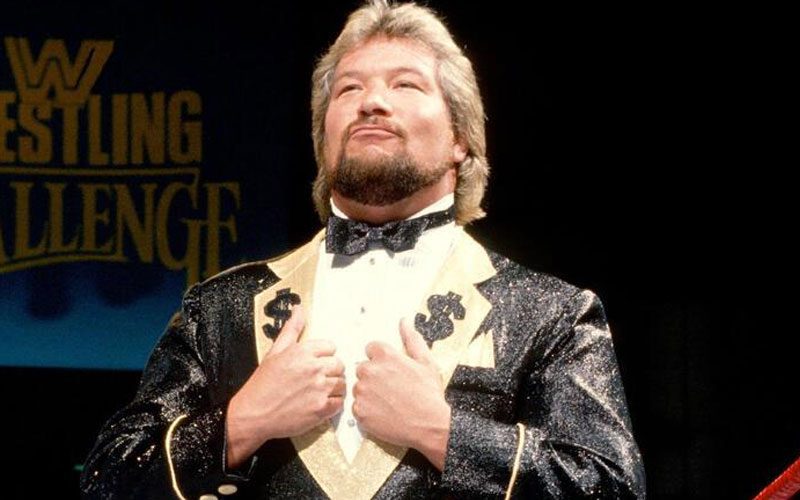
Ted DiBiase arrived in the World Wrestling Federation in 1987 with a pedigree that the promotion often fails to highlight. While history books lean into the gold-plated jacket and the pre-taped segments mocking fans, the man beneath the velvet suit was among the most proficient workers of his era. Ringside News recently detailed how his transition to the WWF was the culmination of years of regional seasoning, a stark contrast to modern talent pipelines that prioritize physique over ring psychology.
DiBiase operated with a crispness that forced his opponents to elevate their presentation. Look at his 1988 work with Randy Savage; the vertical leap on his elbow drop was deceptively high, and he consistently bumped with a sharp, angular motion that emphasized his opponent's impact. He understood that a heel should not just lose, but lose in a way that made the challenger appear dangerous.
The evolution of the heel archetype
The Million Dollar Man character required a precise internal logic to track. DiBiase had to signal arrogance through movement—a slow, measured gait to the ring and an dismissive shrug toward the front row. Crucially, he anchored these mannerisms with a devastating Million Dollar Dream submission hold that relied on realistic leverage.
His matches often followed a strict narrative arc. He would control the opening five minutes through technical chain wrestling, focusing on isolating an arm or slowing the pace. The transition to the finish usually involved Virgil, providing the necessary distraction for a quick turn of momentum. It was simple, repeatable, and remarkably effective for the 1980s television format.
Where the presentation hit a wall
Despite his technical ceiling, the limitations of the character became apparent by the early 1990s. The booking grew repetitive, focusing too heavily on the wealth gimmick rather than the competitive stakes. When a wrestler becomes a caricature of their own persona, the unpredictability of their match outcomes drops. This eventually forced a shift toward booking him into tag team pairings, which removed the singular focus of his mid-card dominance.
Why the blueprint remains relevant
Today’s talent would do well to study his transition timing. Most wrestlers today telegraph their hot tags or rest holds with obvious glances toward the referee. DiBiase remained locked into his opponent, using the environment of the ring to hide his movements. The way he sold a back bump against a clothesline often resulted in him landing flush on his shoulders at the 15-minute mark—an exhausting, demanding style that sustained his heat for years.
When you watch his highlight reels, ignore the dollar signs. Focus on the footwork—the way he cut the ring in half and denied his opponents space to breathe. That is the calling card of a craftsman, not just a character worker. He proved that the most memorable villains are not the ones who cheat the most, but the ones who force the audience to believe they might win even when the odds are stacked against them.
Prediction
DiBiase remains a benchmark for mid-card consistency. If he were active in 2026, his ability to work a 20-minute window without a high-risk spot would frustrate the modern high-flyer. He would hold a 65% win rate against high-octane juniors simply by neutralizing their momentum. He is a textbook case for the value of psychology over athleticism in wrestling.