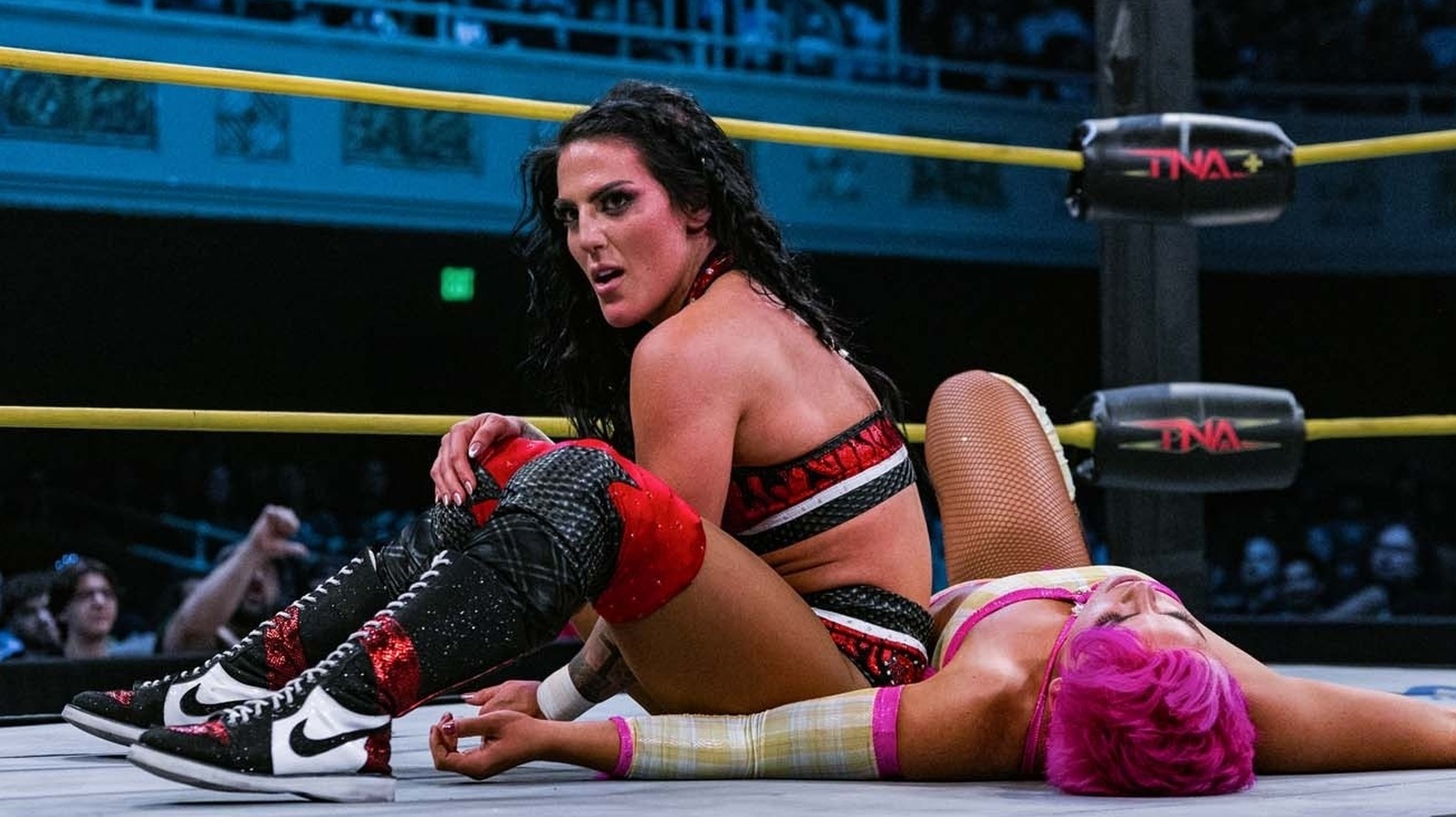
Tessa Blanchard exits TNA amid internal frustration
Tessa Blanchard has secured her release from TNA Wrestling, effectively ending a tenure that had become defined by backstage tension rather than in-ring production. Sources confirm the request for release originated from Blanchard, who found herself increasingly alienated by the company's creative direction.
As Wrestling Inc reported, the split was not an amicable parting of the ways. Blanchard had grown vocal about her displeasure regarding the booking of her character, specifically citing a lack of sustained narrative momentum following her return to the promotion.
A history of volatile departures
This exit follows a familiar pattern for the former world champion. Her career has frequently been punctuated by abrupt ends to contracts and strained relationships with promotion brass.
Observers of the independent circuit and major promotions will recognize the cycle. Blanchard departs with high individual talent marks, yet her inability to integrate into long-term locker room structures remains a recurring hurdle.
The impact on the TNA women's division
TNA loses a marquee name at a time when they are attempting to stabilize the roster. While Blanchard provided a recognizable face for promotional materials, her absence removes a logistical burden from the creative team.
The company now faces the challenge of reallocating screen time to younger talent. If the booking staff continues to fail at building sustainable programs for their top tiers, this departure is merely a symptom of a larger rot.
Strategic implications for the independent scene
Blanchard’s availability creates an immediate discussion point for major promotions. However, the risk-to-reward ratio for bringing in a performer with this level of turnover is clearly shifting.
Promoters must weigh her undeniable technical capability against the friction that reportedly follows her into every locker room. It is a gamble on whether a promotion's administration can maintain order where predecessors could not.
Critical analysis of the booking
Blanchard’s recent run was plagued by uneven pacing and questionable spot-calling that failed to resonate with the core audience. The reliance on legacy booking—relying on name value rather than active, weekly story output—was a mistake.
By failing to align her character's motivations with the rest of the roster, TNA created an environment where she was an outlier. The lack of synergy in storylines meant her matches often felt disconnected from the main event stakes.
The future timeline and outlook
Blanchard enters free agency effectively immediately. Whether she finds a landing spot in AEW, international promotions, or the deeper independent scenes of Mexico and Japan depends on her willingness to adapt to new institutional standards.
History suggests that without a fundamental shift in her approach to collaborative work environments, another repeat performance is likely. The industry demands a higher level of professional cohesion today than in previous decades, and the window for high-profile talent to disrupt a locker room is closing rapidly.
The financial impact of her release is not yet public, but TNA clears a significant amount of payroll by facilitating the exit. Expect the company to pivot toward younger, lower-cost talent to pad out the mid-card as they look to the next quarter.
Her legacy in the sport remains complicated by these persistent exits. Skill is rarely the issue; the durability of her professional relationships is the primary concern for any prospective employer looking at the current 2026 free agent market.