The HBK school of hard knocks
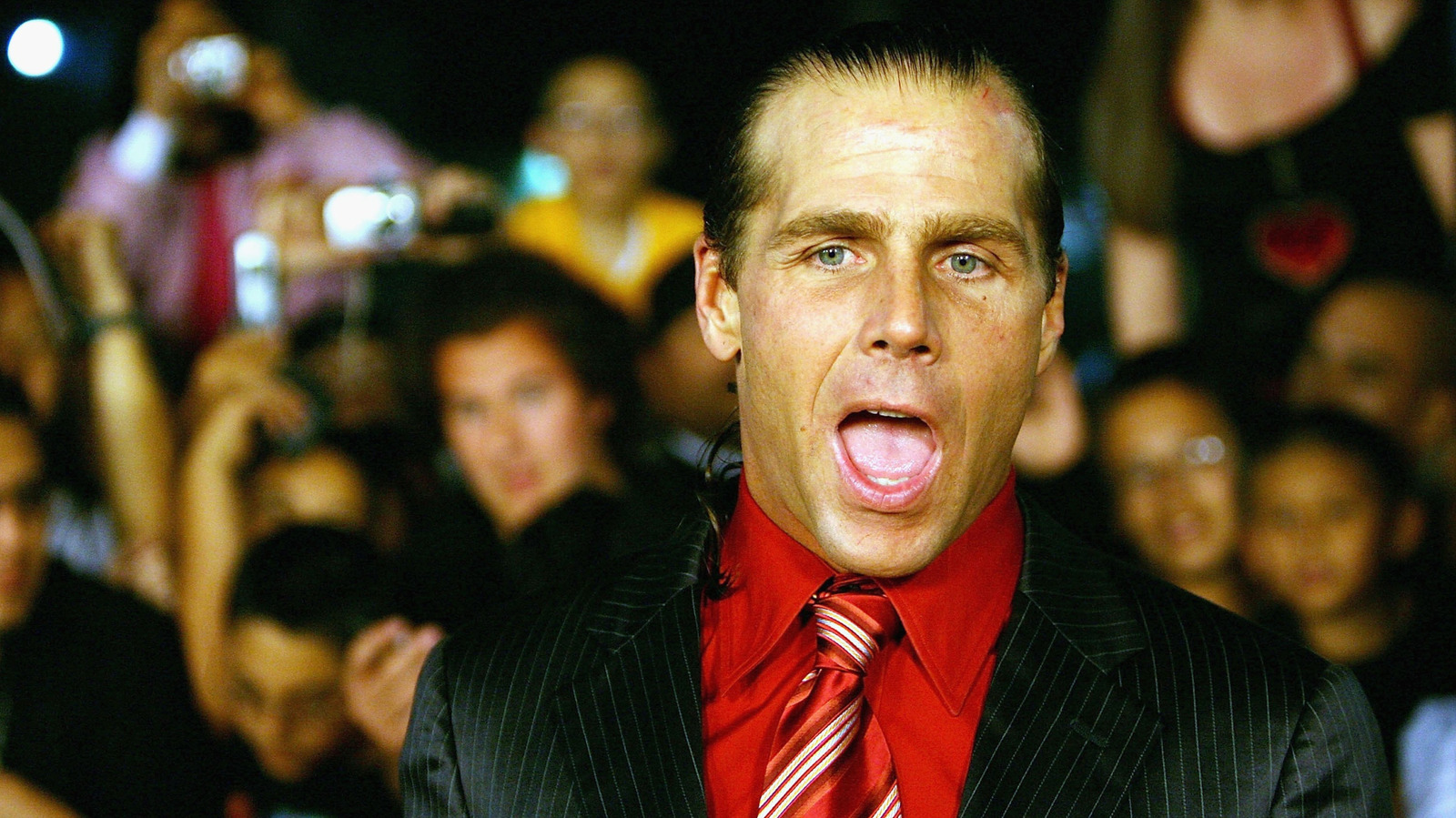
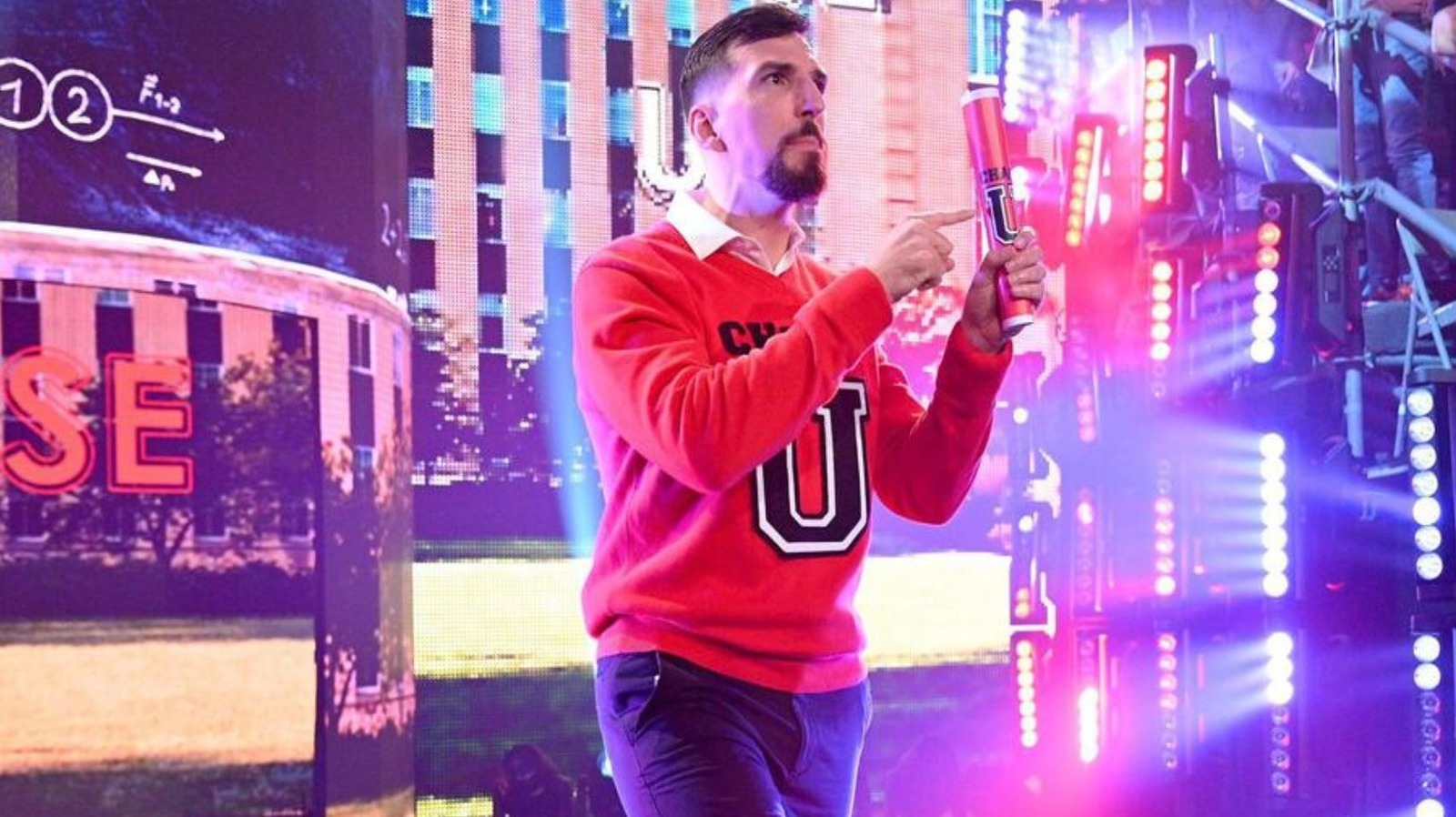
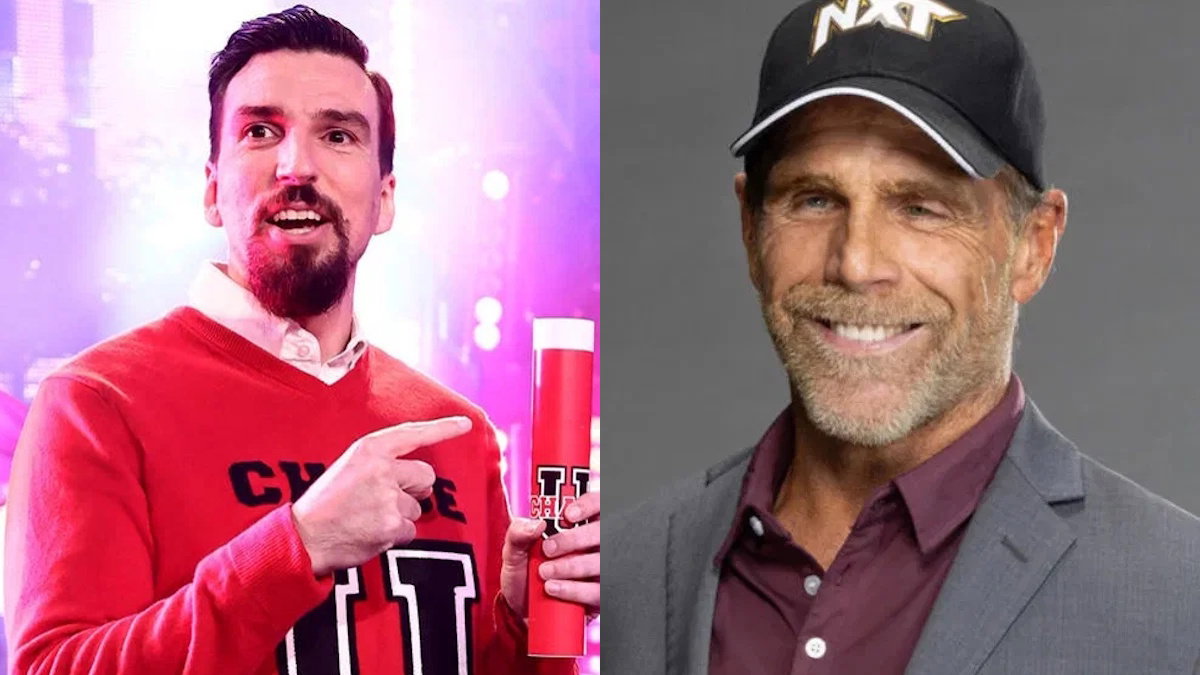
If you spent your formative years praying for a Superkick to the jaw, the current state of NXT feels like a fever dream. Andre Chase recently opened up about his time working under Shawn Michaels at the Performance Center. Let’s be real for a second: if you told a wrestling fan in 1997 that the guy who threw Martys through barbershop windows would eventually lead a developmental brand with the grace of a tenured professor, they would have laughed you into the local dive bar.
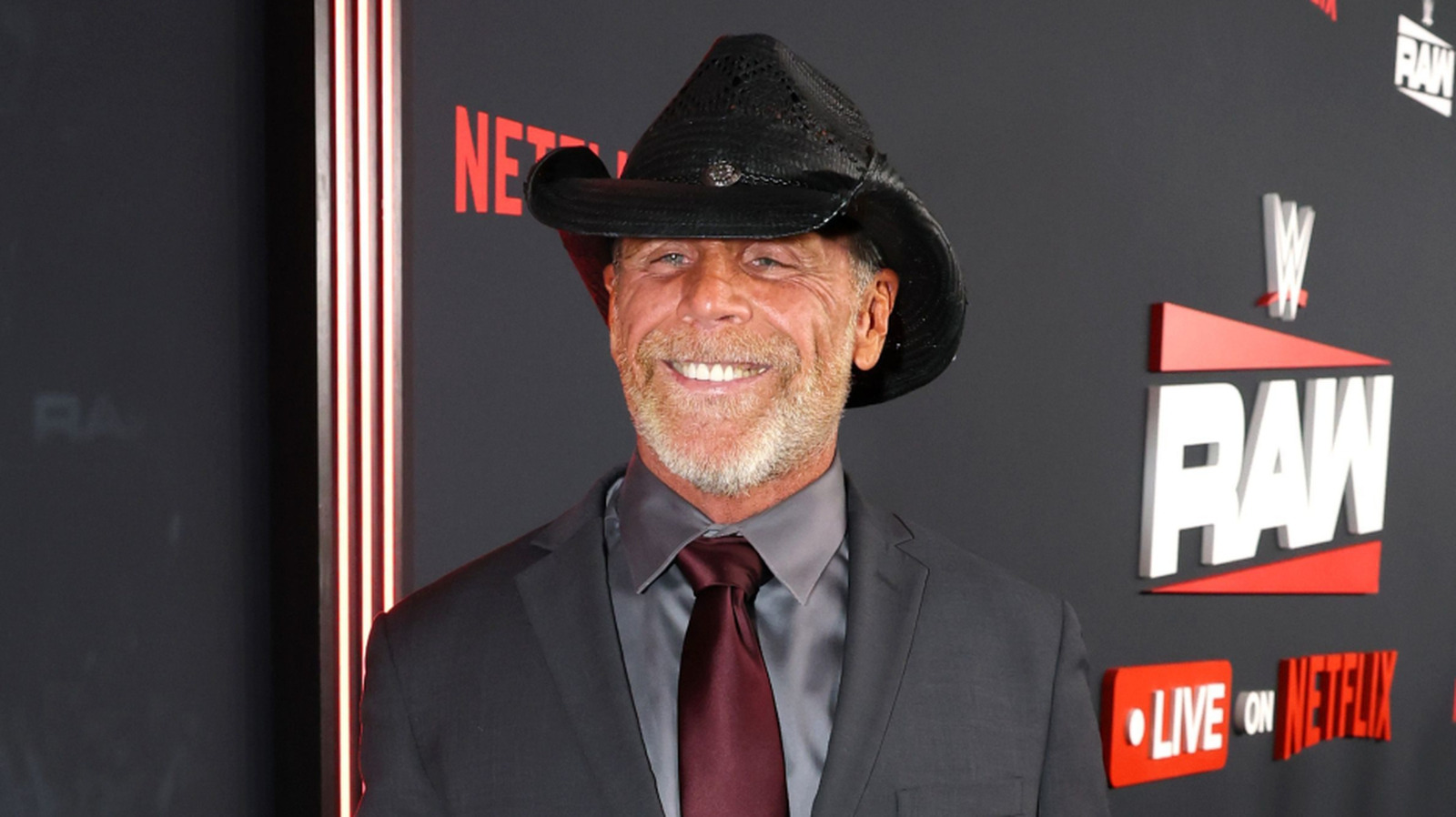
Chase made it clear that Michaels isn’t just hanging out in the Gorilla position eating snacks. He’s hands-on. He is dissecting footwork, timing, and the psychology behind every single lockup. It is fascinating to see how the Heartbreak Kid has pivoted from being the most petulant man in the industry to the most respected developmental guide on the planet.
The polar opposite of the VKM regime
The online discourse regarding the HBK era of NXT is louder than a Ric Flair 'Wooo!' at 3 AM. Half the subreddits are convinced he is the second coming of wrestling gurus. They point to the way he nurtures talent like Chase and builds characters that don't feel like they were manufactured in a sterile lab by a committee of suits.
Then you have the cynics. These guys crawl out of the woodwork to remind everyone that NXT remains a training ground. They grumble that no matter how good the developmental show is, it all comes down to whether the main roster ruins these guys with bad booking or generic entrance music within a month of their call-up. It is that classic grumpiness that fuels the internet, even when the product on screen is objectively firing on all cylinders.
The contrast in fan perspectives
- The Enthusiasts: They believe Michaels is building a technical paradise where the fundamentals of chain wrestling are actually valued again.
- The Skeptics: They argue that being a 'boss' in NXT is a cake walk compared to surviving the shark-infested waters of Raw or SmackDown.
- The Contrarians: They focus on the fact that Chase's gimmick was a bizarre academic parody that only worked because he was a professional glue guy who could make anything entertaining through sheer charisma.
Looking at the trajectory, the enthusiasts have the stronger argument. We have seen Andre Chase detail his growth under this specific environment, and the proof is in the performances. When you compare it to the chaotic, directionless energy of mid-2010s developmental, the current system allows wrestlers to iron out their flaws before they are forced to deal with high-pressure television lights.
Is the honeymoon phase over yet?
Let's not act like it is all sunshine and rainbows. Some of the booking in the mid-card has been a complete head-scratcher. We have seen guys pinned in 3 minutes for no justifiable reason, only to be pushed to the moon the very next episode. That level of inconsistency can kill a worker's momentum faster than a bad promo on a Tuesday night.
Despite the occasional fumble, Michaels has managed to cultivate an environment where wrestlers actually seem to hold some agency over their characters. Chase is the perfect example. He took a gimmick that sounded like a fever dream—a college professor who loves math and wrestling—and turned it into a beloved staple of the brand. That doesn't happen without a boss who understands how to let guys find their footing in the spotlight.
Ultimately, the rapport between a talent and their lead booker is usually the difference between a mid-card nothingburger and a breakout star. Whether you buy into the HBK legend or you think it is just a polished marketing move, you have to respect the results. We aren't just seeing rookies bumbling through spots anymore; we are seeing people who understand that wrestling is a performance art, not just a series of moves strung together for a spotfest.