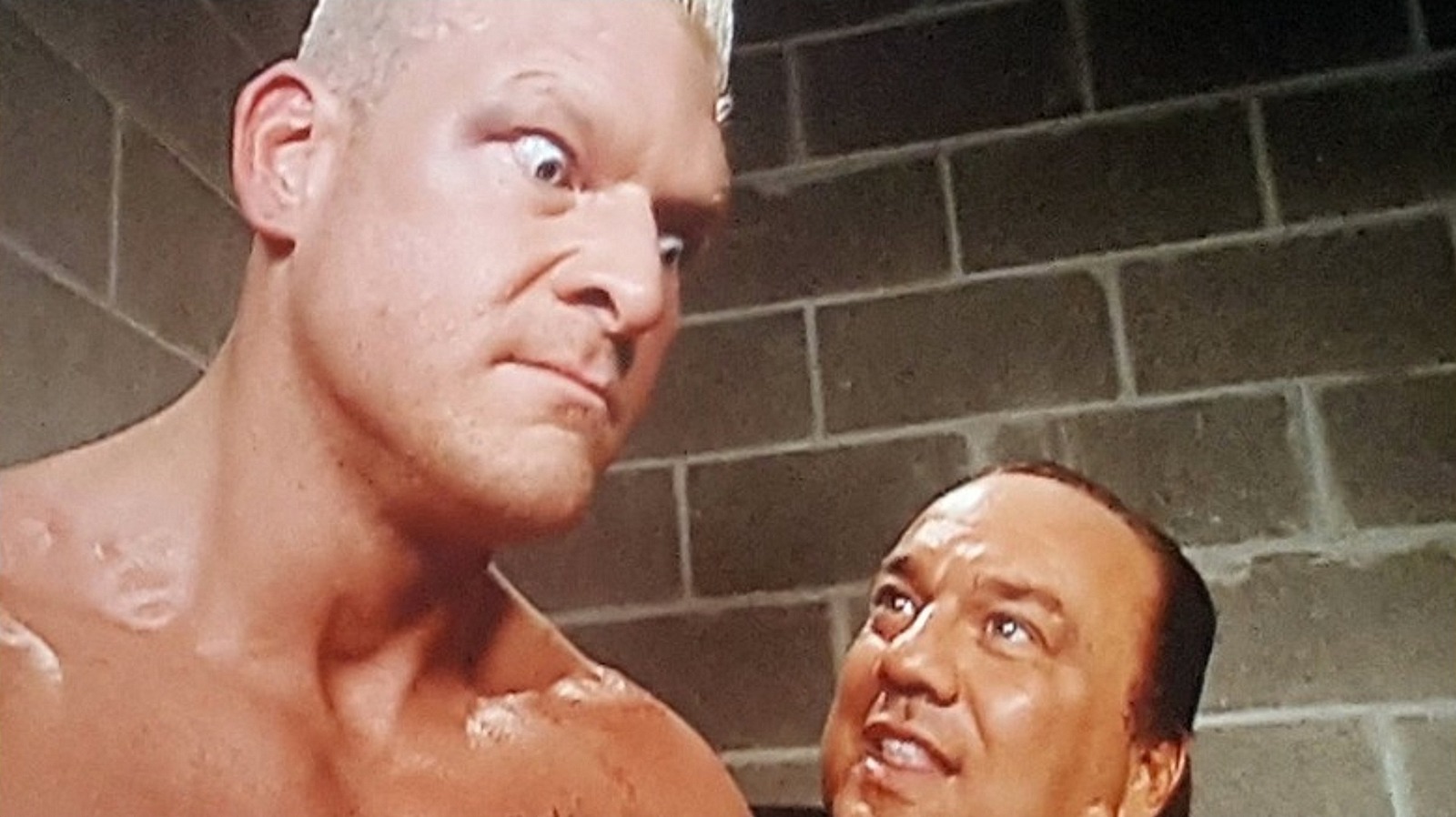
NXT proves that scouting requires vision rather than metrics
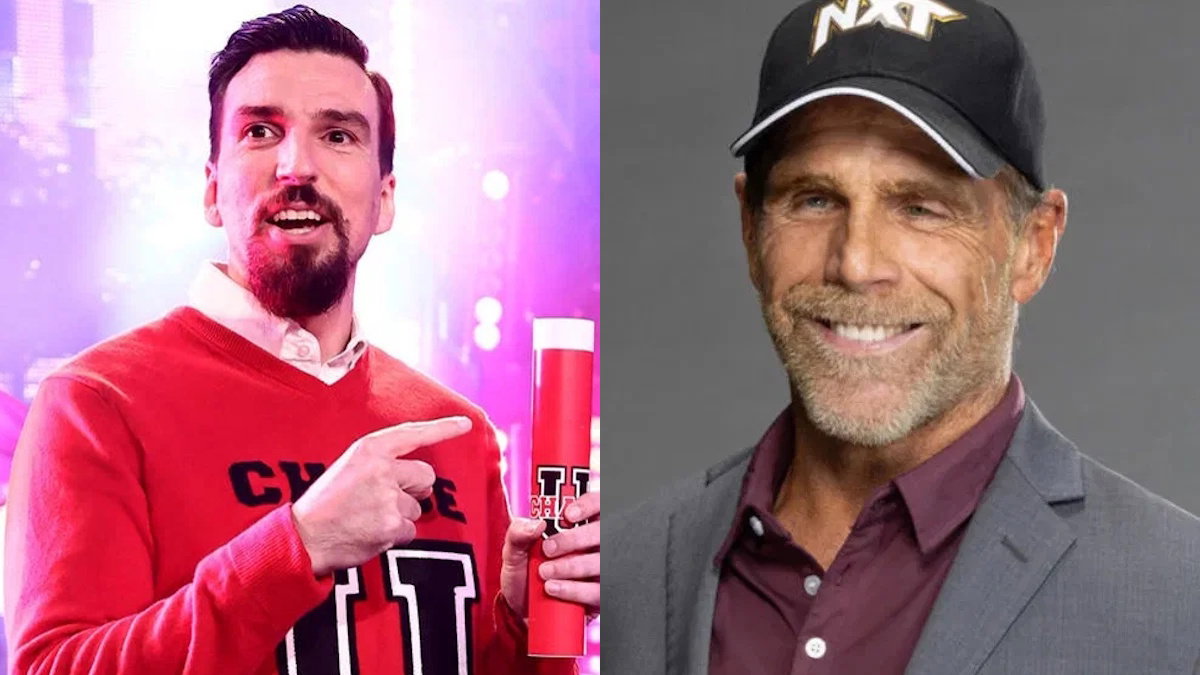
The scouting failure that almost buried Andre Chase
In the cold arithmetic of modern sports analysis, certain archetypes are deemed unmarketable before they even step through the curtain. Andre Chase, operating under his real name Andre Chance, found himself in that exact administrative purgatory upon joining the promotion. Talent evaluators had reached a consensus that he lacked the requisite ceiling for television placement, a damning indictment that often ends a career before it starts.
This is a recurring sickness in talent development. Evaluators prioritize specific physical profiles or pre-existing television polish over the ability to perform an actual move or build a narrative. The initial assessment that he would never appear on broadcast television highlights a fundamental disconnect between internal scouting reports and the actual requirements of ring performance. When a promotion views a worker as a series of physical measurements rather than a storyteller, they stop seeing the asset standing in front of them.
Shawn Michaels and the shift to performance-led booking
The intervention of Shawn Michaels serves as a clear rebuttal to the spreadsheet-driven approach of the initial scouting team. Michaels recognized what the data failed to capture: the capacity for technical nuance and crowd connection. According to his recent recollections, Chase’s trajectory shifted only after he demonstrated his in-ring proficiency directly to the man controlling the creative output of NXT.
This process emphasizes why recent reporting on Andre Chase matters so much. It reveals that the decision-makers on the ground often lack the authority or the eye to identify talent, leaving them reliant on senior figures to correct fundamental errors. If the person at the top has to personally scout their own developmental talent, the lower-level systems are essentially useless.
The risk of relying on a singular visionary figure is that it creates a bottle-neck, not a system. While Chase thrived, one has to wonder how many other performers were released or left to languish because they didn't have a direct line to the only person willing to look past the initial negative scouting assessment. Relying on a rebuild policy that ignores depth, as we have seen in other sports, often results in a hollowed-out roster once the top-tier stars are removed from the equation.
The danger of rigid role definition
Chase’s survival provides a masterclass in why specialized roles matter. By shifting into the academic persona of the Chase U leader, he moved from being a generic athlete to a character who could anchor a segment. The performance quality remains high, but the packaging evolved to suit television rather than a sterile performance center tryout.
There is a lesson here for all talent-dependent industries. Promoting individuals based on their ability to execute in live environments is superior to vetting them through abstract metrics. Critics would argue that Chase’s development took too long, and they wouldn't be wrong. Significant time was wasted trying to force a square peg into a round hole because the initial evaluators couldn't see the utility of a technical wrestler who could talk.
For a promotion that demands total consistency, the 20-minute match window is effectively the real evaluation. If a worker cannot sustain tension for that duration, the scouts are right to hesitate. However, Chase provided the evidence in the back and on the independent scene to suggest he was capable. The fact that the promotion needed an intervention to realize this suggests the process for evaluating talent in professional wrestling is fundamentally reactive rather than proactive. We are left with a system that only identifies value once it has already been proven to the public, which is a failing grade for any professional scouting department.
WWE Men's Roman Reigns Bloodline Acknowledge Me T-Shirt
Acknowledge your Tribal Chief in style.
Frequently Asked Questions
How did Shawn Michaels change the path of Andre Chase's career?
What is the primary flaw in modern wrestling talent scouting?
Why did evaluators initially decide Andre Chase was not fit for television?
What role did the Chase U character play in his professional success?
What are the risks of relying on a singular visionary figure for scouting?
More Coverage
Elektra Lopez saying NXT is College 2.0 is the most honest take of the year
an hour ago
Jey Uso vs. Oba Femi is the wrong call for the King of the Ring final
an hour ago
SmackDown is ditching the three-hour drag for quality over quantity
an hour ago
Jade Cargill's physical health remains the biggest wildcard for Night of Champions
an hour ago
Top 10: Definitive Moments Shaping Professional Wrestling History
3 hours ago
Elektra Lopez calling NXT College 2.0 is the exact truth we needed
3 hours agoMore Analysis
How Bobby Cruise landed the ROH ring announcing job under mysterious circumstances
an hour agoElektra Lopez saying NXT is College 2.0 is the most honest take of the year
an hour ago
Jey Uso vs. Oba Femi is the wrong call for the King of the Ring final
an hour ago
SmackDown is ditching the three-hour drag for quality over quantity
an hour ago
Sami Callihan’s TNA exit leaves a crater in the creative room
an hour ago