The transition from the indies to the big stage
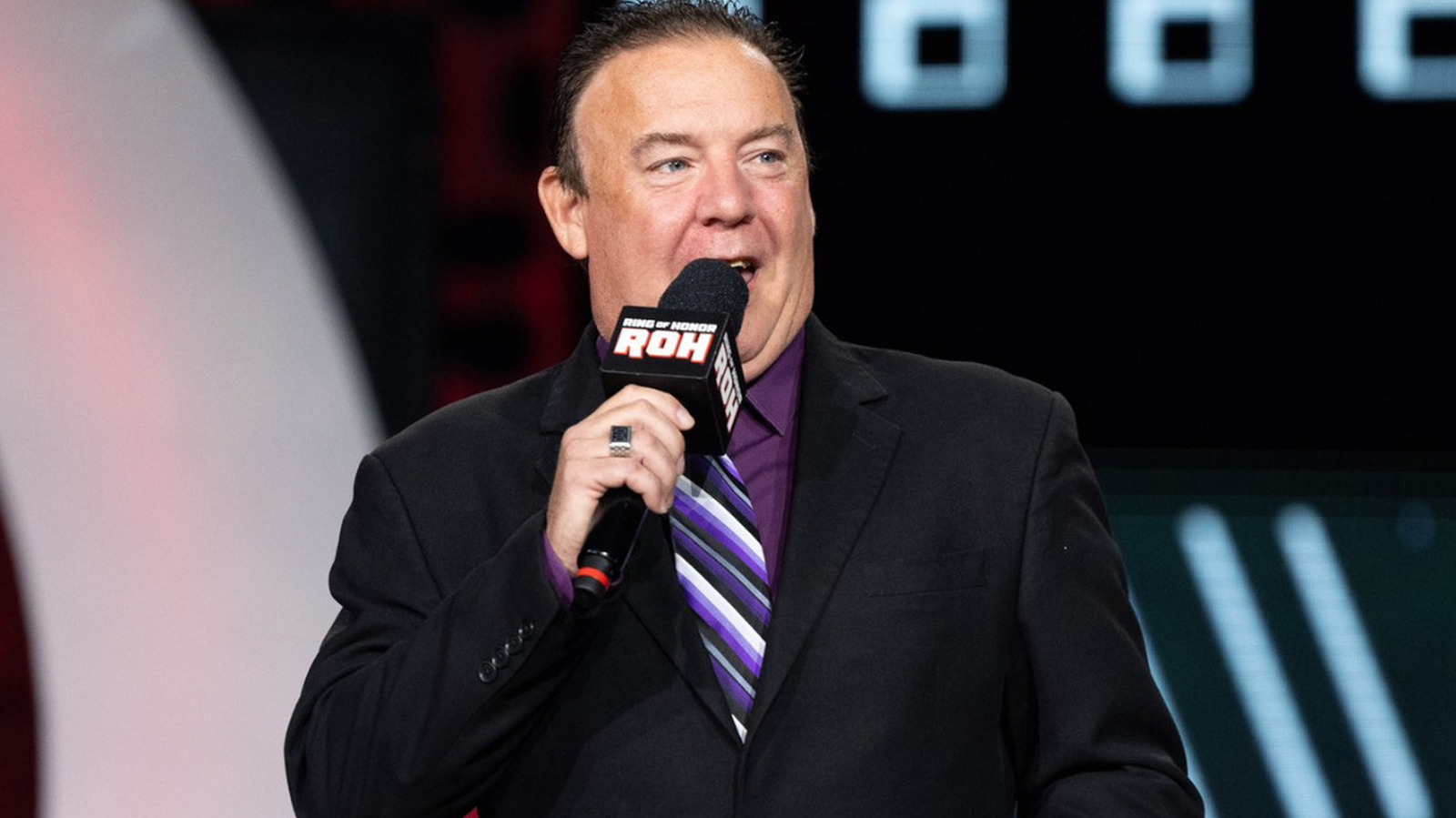
Bobby Cruise is a fixture of modern ring announcing, but his entry into Ring of Honor in its earliest days was far from a straightforward hiring process. Speaking on his recent career retrospective, Cruise detailed how he secured the mic-man role during the promotion's formative 2002 period. He wasn't the initial choice for the gig, and his arrival sparked immediate backstage tension that defined the high-stakes environment of early indie wrestling.
Cruise noted that the promotion was looking for a specific vocal cadence that mirrored the intensity of the burgeoning technical style. At the time, Ring of Honor was trying to separate itself from the hardcore theatrics of the 1990s. The vacancy existed solely because management decided to move on from a veteran who had cut his teeth in the original Extreme Championship Wrestling.
Defining the moment of change
The selection process wasn't conducted via a standard HR interview. In an era where loyalty to the ECW brand was paramount, replacing a former Philadelphia staple was treated with extreme caution by those running the show. According to Cruise, the shift in talent happened rapidly, catching many in the locker room off guard given the reputation of the individual he replaced.
I replaced a former ECW name to get the job.
This dynamic highlights the raw, cutthroat nature of the industry during the early 2000s. You didn't just get a job offer; you navigated a minefield of prior relationships and unspoken professional codes. By stepping into that spot, Cruise immediately signaled that Ring of Honor was aiming for a fresh, cleaner aesthetic that avoided the legacy baggage of the previous decade.
Industry implications of the hiring
Why does this matter for the current state of wrestling? Because the role of an announcer dictates the gravity of every match on the card. When an organization pivots from a known commodity to an unknown voice like Cruise’s, they are resetting expectations for the audience. This specific move forced fans to reconsider what a ring announcer could bring to a match beyond merely stating the names and weights in the ring.
The move wasn't without its detractors, of course. Forcing out an ECW veteran in favor of a newer face created a divide among the early fanbase who felt the promotion needed to lean into the familiar tropes of the past. It was a bold move that prioritized a specific performance style over existing name value, a gamble that ultimately set the tone for how Bobby Cruise evolved into the voice of the company for years to come.
The reality of backstage politics
Critics of the booking might point out that early Ring of Honor was often defined by these internal frictions. The abruptness of the change suggests a management team that was perhaps too focused on distancing themselves from the past rather than building on it. Relying on professional cold-shouldering to drive out talent is rarely the mark of a stable, long-term foundation.
Still, looking at the career longevity Cruise achieved afterward, the move clearly hit its mark. He transformed a role that many viewed as tertiary into a essential part of the match experience. He had to be perfect out of the gate, knowing full well that his predecessor had friends in the back who were watching his every mistake during his early shows.
The pressure to succeed in those first few months was immense. In any other environment, the hostility toward a replacement announcer might have derailed the entire broadcast. Instead, the focus tightened on the in-ring action, as if the promotion wanted to ensure that the announcer wasn't the only element undergoing a radical redesign.
It serves as a reminder that the loudest moments in wrestling history don't always happen in the ring. Sometimes, they occur in the production office before the doors even open to the public. Replacing an ECW name wasn't just logistics; it was a power move that defined the identity of Ring of Honor for the next two decades.
Ultimately, Cruise’s account underscores a basic reality of the business: you rarely get a shot without someone else being forced out of the frame. Whether that is fair or even necessary remains a point of contention for those who prefer legacy roles over fresh blood. What is clear is that for Bobby Cruise, the controversy was simply the cost of doing business.