The lecture hall is finally empty
If you have been watching the Tuesday night product over the last few years, you have probably felt that weird, sterile vibe emanating from the Performance Center. Elektra Lopez recently pulled the curtain back on her experience in the black and gold brand, specifically labeling her time there as College 2.0. It is a damning indictment of the developmental system that has become less of a wrestling territory and more of a corporate finishing school.
When you look back at the glory days of the black and gold era, that building actually felt like the independent scene on steroids. You had guys like Sami Zayn and Kevin Owens coming in with years of genuine grit and real-world scars. They weren't learning how to hit the ropes; they were refining what they already knew in front of a ravenous crowd. Now, it feels like the current crop is being taught how to perform in an empty classroom where the teacher is obsessed with lighting and camera angles.
The polish is actually a problem
There is a specific kind of frustration that comes with watching a talented performer get turned into a generic television production component. Lopez saw the machine for exactly what it was. She mentioned her desire to leave, and honestly, who could blame her? Being shoved into a program that values branding over brawling is a death sentence for anyone who actually has a shred of natural charisma.
We have seen the result of this collegiate approach in the main roster call-ups lately. Everything is incredibly safe. You get the same three-move sequences and the same promos that sound like they were written by an aspiring sitcom writer who has never seen a wrestling match in their life. It is the wrestling equivalent of a franchise restaurant—predictable, bland, and impossible to get excited about even when the food is technically cooked correctly.
The issue is not that the performers lack athleticism. These people are legitimate freaks of nature who can backflip off the top barricade at 10:00 PM without breaking a sweat. The problem is the lack of soul. When everyone is trained in the same exact room by the same exact people, the diversity of styles vanishes. Remember when we had the stiff, brutal strike exchanges of the WALTER and Ilja Dragunov matches? That was art because it felt different from everything else on the card.
The Tommy Dreamer shadow looms large
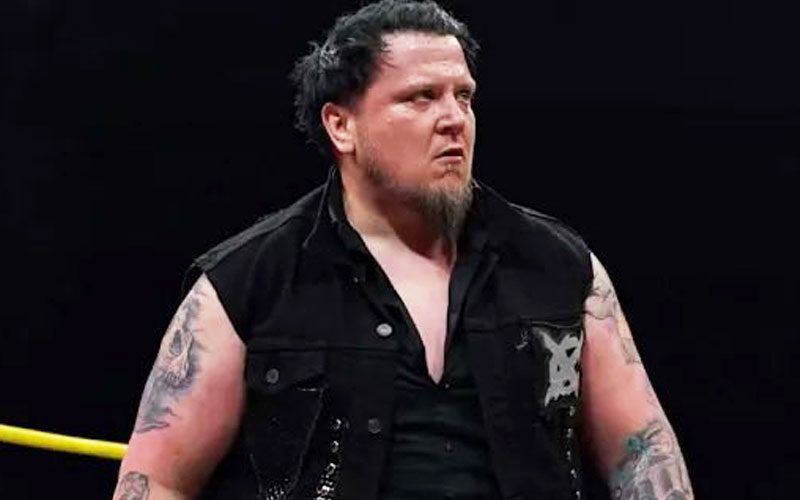
This whole situation makes me think about the current state of the industry, where legends like Tommy Dreamer are still finding themselves at the center of massive, messy discourse. Whether you like the guy or not, he represents an era where you learned by getting kicked in the teeth for fifty bucks a night, not by taking a mid-term exam on how to deliver a scripted promo. As recent reports on the Dreamer situation have shown, fans are tired of the sanitized, corporate-sanctioned version of wrestling history and development.
NXT has morphed into a brand where the aesthetic is more important than the actual wrestling move set. The lighting is pristine. The gear is flashy. The booking is tightly controlled to the point of suffocation. It is fascinating that a wrestler like Lopez would be so open about the process being flawed. She clearly realized that staying at the PC too long was going to stunt her growth as a performer rather than accelerate it.
Where do you go from here?
Being a developmental talent should carry some risk. If you are not allowed to fail or be weird or accidentally hurt somebody’s feelings with an ad-libbed promo, you aren't learning how to be a professional. You are just learning how to be a mascot. That is why the indie scene remains the true bloodline of the sport. You can't replicate the chaos of a poorly lit legion hall in an air-conditioned facility with a 15-camera setup recording your every mistake.
The current booking strategy seems to be focused on creating a uniform product rather than a group of individual stars. If everyone is a polished television personality, then nobody is special. When you have a roster full of people who act like they are auditioning for a Netflix drama, the stakes of the actual matches feel lower. It is hard to care about a championship when the people fighting for it are just graduates from a 4-year program in Sports Entertainment Mechanics.
Maybe this is the wake-up call the front office needs. If the talent is telling you the system feels like a high-tuition university course, you have a problem with your product design. You cannot draft an entire division of collegiate athletes and expect them to carry the legacy of the business without letting them breathe. Until they let these people go out there and actually act like wrestlers instead of students on a field trip, the reputation of the development system will continue to erode.
Ultimately, it is refreshing to hear someone with real skin in the game speak out. Taking a stand like that takes guts, especially when you are trying to navigate your career in this business. Most people would just collect the check and play the game, but calling it College 2.0 is the kind of burn that should linger in the minds of the higher-ups for quite some time. It is exactly the kind of reality check the industry needs to avoid becoming a completely soulless void.