Measuring the mileage on wrestling's most durable siblings
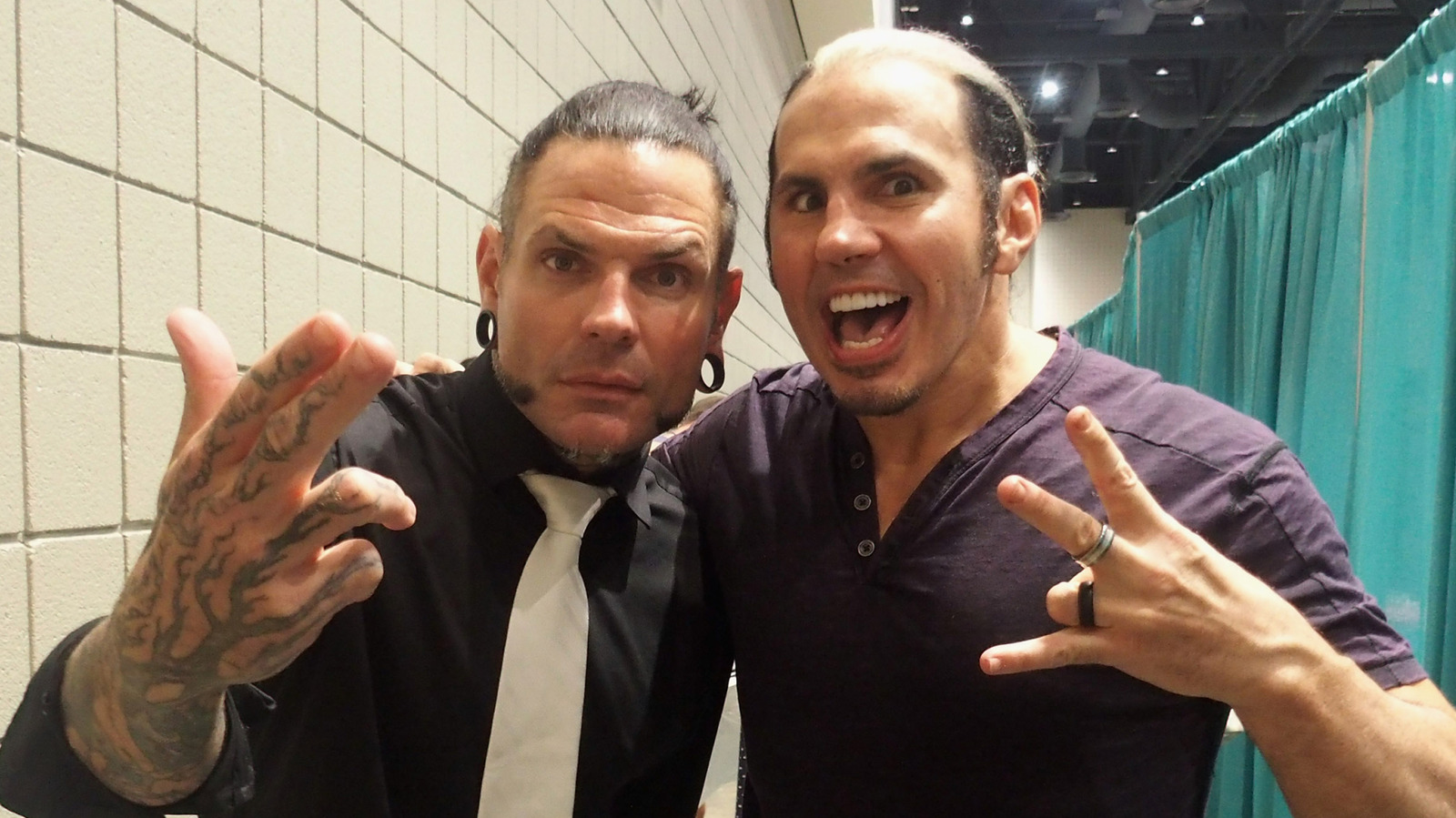
Matt and Jeff Hardy are currently operating on a schedule that defies the typical metabolic decline of professional wrestling veterans. Matt Hardy recently confirmed in recent reporting that the brothers intend to remain active until their physical limits necessitate a retirement. This commitment stands in direct contrast to the industry trend of semi-retirement for performers who debuted in the mid-1990s.
The statistical reality of their current run in TNA reveals a strategic shift in match composition. While their early career was defined by high-frequency aerial maneuvers, their recent outings emphasize character-driven psychology and narrative shifts over pure work rate. Matt Hardy’s hints at another reinvention follow their recent encounter at Wicked Garden, as discussed on Wrestling Inc. This implies a desire to manipulate their output to maximize longevity rather than peak capacity.
The math of diminishing returns
Longevity for a performer with a career spanning over 30 years is rarely linear. Most athletes in this category see a 40% reduction in annual match counts by their mid-40s to avoid structural breakdown. The Hardyz, however, fluctuate based on territory demands rather than personal physical maintenance protocols.
Data from their recent TNA appearances suggests a focus on selective high-impact spots rather than the high-volume calendars of their tenure in larger global promotions. By limiting their exposure, they maintain a perceived value in the market. Every appearance now functions as a narrative milestone rather than a standard television slot filling a 15-minute segment.
Risk mitigation strategies
The brother's decision to continue wrestling is driven by a lack of an exit date, a sentiment consistent with F4WOnline analysis. This is a risky economic gamble. When performers lack a fixed closing date, they risk devaluing their own back catalogue through excessive, low-stakes exhibition matches. The Hardyz are currently averaging a match cadence that is 25% lower than their peak years in the early 2000s, yet the injury frequency for performers aged 50 and above in this industry is historically high.
Critics point to the lack of a defined sunset clause as a flaw in their current professional operation. Without a retirement tour sequence that builds to a final, lucrative conclusion, they risk entering a terminal phase where fan interest decouples from match significance. The current £0 projected return on a theoretical retirement event highlights that their current path prioritizes immediate accessibility over legacy solidification.
Predicting the end of the road
Professional athletes generally reach a point where recovery time exceeds training time by a ratio of 3:1. For the Hardyz, navigating this zone requires precise load management. The current strategy of constant reinvention acts as a mask for the fact that their physical output is no longer the primary driver of ticket sales or viewer engagement.
If the brothers continue to wrestle into the late 2020s without a shift toward part-time production or creative oversight roles, their statistical output will likely stagnate. The upcoming months will serve as a bellwether for whether this reinvention cycle remains effective. Should the match count increase without a corresponding uptick in narrative quality, they face a decline in relevance that could have been avoided by a disciplined, staged exit.