A Champion's Bold Proclamation
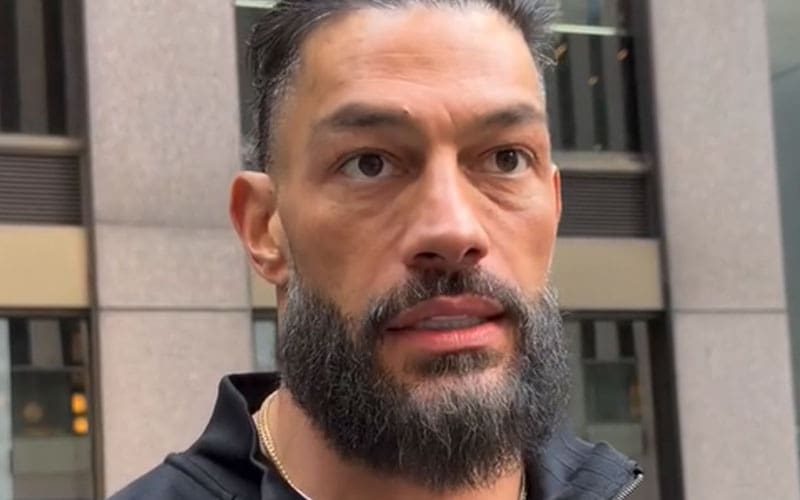
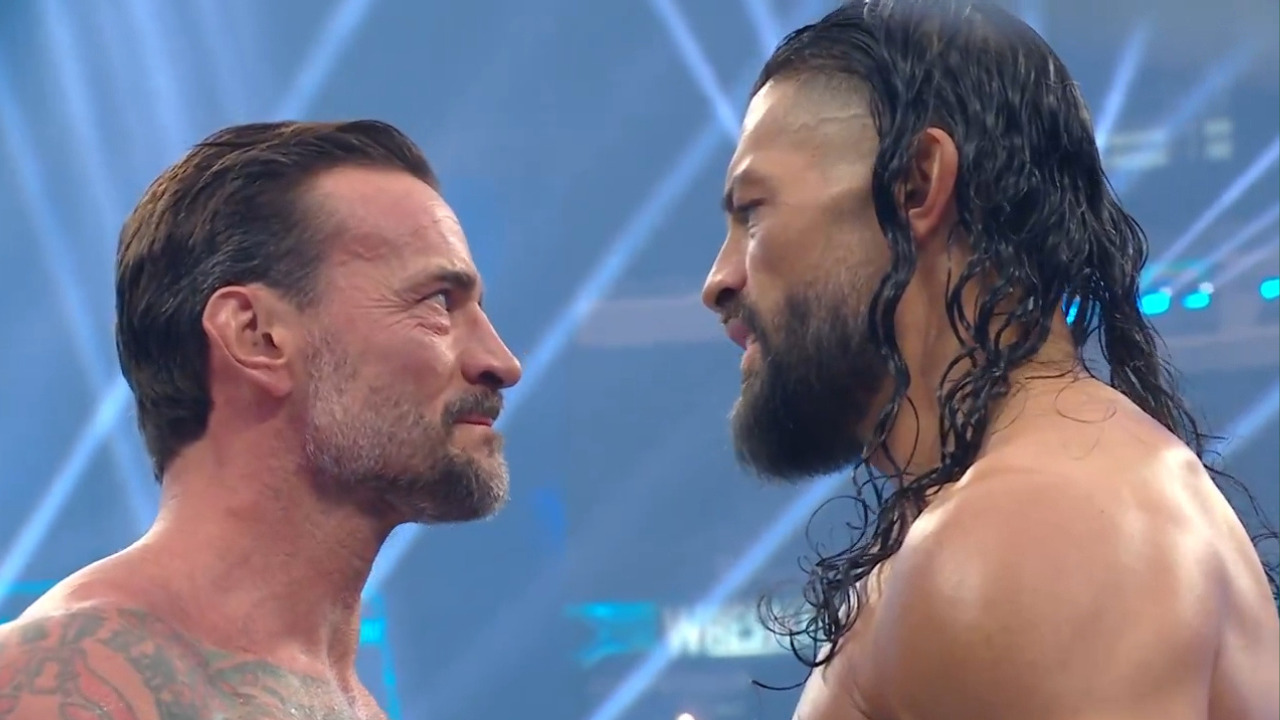
Fresh off his central role at WrestleMania 41, Roman Reigns has made his intentions clear: the era of the part-time champion is over. In a statement that has sent waves through the industry, Reigns promised to be a constant presence on WWE programming through the summer, reportedly telling management, “You’re gonna see my a** all summer.” For a fanbase accustomed to seeing the ‘Tribal Chief’ on a more selective, Brock Lesnar-esque schedule, this is a dramatic shift. It promises a summer of main events featuring WWE’s biggest star.
This declaration, however, carries a weight far heavier than any championship belt. It runs parallel to the medical reality of Joe Anoa’i, the man who portrays Reigns. He is not just a top-tier athlete in one of the world's most physically demanding professions; he is a two-time leukemia survivor. This isn't a storyline footnote—it is the central, unshakeable fact of his career and life. His plan to work a grueling, full-time schedule is therefore not just a change in booking, but a high-stakes medical gamble.
The Unseen Opponent: A Wrestler's Grind
The life of a top WWE superstar is a relentless grind that extends far beyond the twenty minutes between the ropes. The schedule is a blur of cross-country flights, red-eyes, and jarring time zone shifts, often with five performances in as many nights in different cities. This is layered with a punishing regimen of gym sessions to maintain a world-class physique, media obligations that pull them in every direction, and the constant physical toll of bumps, falls, and high-impact maneuvers.
For a healthy athlete, this lifestyle is a recipe for breakdown. It leads to the torn ACLs, herniated discs, and shredded rotator cuffs that are grimly common in the sport. The body is in a perpetual state of inflammation and stress, with cortisol levels spiking from a lack of sleep and relentless travel. For Roman Reigns, the stakes are exponentially higher. His opponent isn't just the physical wear-and-tear; it's the invisible threat of how such a demanding lifestyle could impact a body that has already fought off cancer twice.
Managing Remission in the Main Event
Reigns is currently in remission from Chronic Myeloid Leukemia (CML). It is a medical triumph that allows him to perform at all. However, remission is not a simple ‘cure’; it is a managed state of health. For any individual with a history of serious illness, managing stress, fatigue, and immune function is paramount. The extreme physical exertion and sleep deprivation inherent to a full-time WWE schedule represent significant physiological stressors.
For years, Reigns’ widely-discussed “part-time” schedule was not, as some fans believed, a perk of his stardom. It was a medically necessary accommodation. It allowed him the crucial recovery time needed to manage his health while still performing at an elite level. His phenomenal multi-year championship reign was built on this carefully balanced foundation. The reported plan to abandon that very accommodation is the real headline here. It’s a conscious decision to step away from a proven, sustainable model and test his body's limits in a way he has not done in years.
A Calculated Risk or a Booking Blunder?
This raises an uncomfortable but necessary question: is this decision wise? From a business perspective, having your top draw at every show is a clear win for ticket sales and television ratings. But at what cost? This is the critical observation that must be made: there seems to be a failure to distinguish between Brock Lesnar’s negotiated part-time status and Roman Reigns’ medically mandated one. Lesnar worked less to preserve his aura and maximize his paydays. Reigns worked less to preserve his health.
By encouraging or even allowing Reigns to adopt a full-time summer schedule, WWE risks the long-term health of its most important asset for a short-term gain. It feels shortsighted, a potential booking blunder rooted in a desire to have its cake and eat it too. Furthermore, it puts Reigns in a position where his own competitive drive may override his better judgment. After years of being the indomitable ‘Head of the Table,’ it is understandable that he would want to silence any remaining critics about his schedule. But the risk he is undertaking is profoundly real and should be the primary concern of everyone involved in the decision-making process.
The Long Shadow of History
We have seen this play out before, not in a storyline, but in reality. On October 22, 2018, Roman Reigns relinquished the WWE Universal Championship in the center of the ring on Monday Night Raw. He announced that his leukemia had returned after 11 years in remission. The moment was shocking, heartbreaking, and it completely transcended wrestling. It was a stark reminder of the real-life battles fought by these larger-than-life characters.
His triumphant return months later and his subsequent transformation into the ‘Tribal Chief’ has been one of the most compelling narratives in modern wrestling history. It’s a story of defiance, resilience, and dominance, made all the more powerful because of the real-life victory it's built upon. To jeopardize that by overextending himself for a few extra non-televised events in July feels like a fundamental misunderstanding of what makes his story so special. The biggest fight for Roman Reigns this summer will not be in the ring. It will be the silent, daily battle against his own physical limits—an ‘injury’ he must manage for the rest of his life. We can only hope the reality of his schedule is more cautious than his bold proclamations suggest.
Read Next
- Top 10: Moments Shaping Modern Wrestling's Landscape
- Roman Reigns and the WrestleMania 42 Myth: Contract Talk is Just Noise
- Wrestling's Obsession With Tomorrow Is Ruining John Cena's Goodbye
- Top 10: Greatest WrestleMania Moments of All Time
- 🏆 WrestleMania 41 — Full Coverage Hub
- 💥 WWE Backlash 2026 — Full Coverage Hub
- 👑 Roman Reigns Return 2026 — The Tribal Chief