The Case for a Final Run
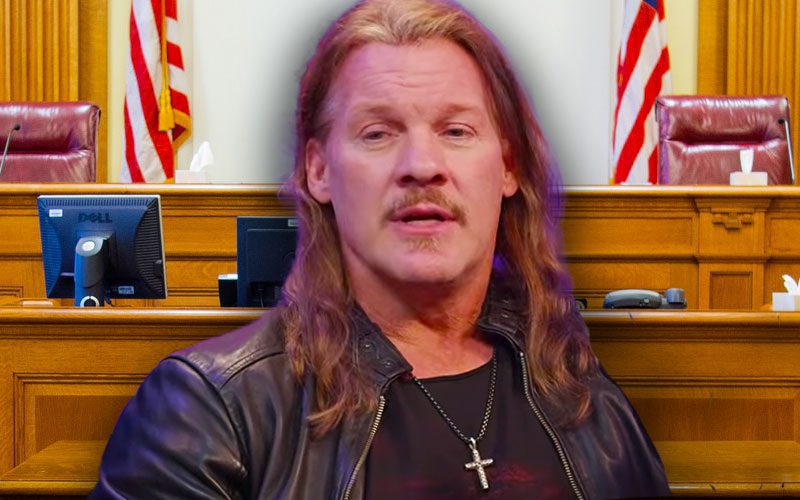
The wrestling industry currently sits at a strange crossroads. Chris Jericho, currently anchored to AEW, has been publicly vocal about his lack of desire to slow down. While his current tenure has redefined his mid-to-late career, speculation is mounting regarding a potential final chapter in WWE. As recent reporting confirms, retirement is not on the table. The question is no longer if he can go, but where he finishes the clock.
Jericho’s career is defined by calculated risks. Dropping the Y2J moniker was a move that defied conventional promoter wisdom, yet it set the blueprint for his modern reinventions. He remains the industry's master of the pivot, drawing inspiration from music icons to shift his stage persona before crowds grow weary of the act. This willingness to discard past successes for new creative directions is exactly why a WWE return remains a frequent topic of debate.
Creative Constraints and Performance
Any potential return would hinge on creative freedom. Jericho has been critical of how modern talent approaches the art of getting over, noting that many miss the fundamental psychological beats required to truly connect with a global audience. His transition back into a WWE ring would essentially serve as a seminar on character work, provided the booking moves away from nostalgia-heavy segments and toward modern stakes.
However, critics of a potential reunion point to the friction that defined his past departures. History shows he was comfortable working through litigation-heavy eras, but the modern corporate structure of sports entertainment is vastly different from the environment he navigated in the early 2000s. There is little reason to believe the current creative lead would grant him the same level of improvisational control he enjoys in his current role. The constraint of a scripted, top-down environment could prove stifling for a performer who thrives on the chaotic energy of live, unscripted segments.
The Legacy Factor
Jericho is acutely aware of the vultures waiting for him to fade. He has spent years deafening himself to detractors who predicted his wrestling or music dreams would collapse. This stubbornness is his greatest asset. He is not interested in a Legends Contract and a handful of cameos; he wants to be the primary engine of a show. WWE’s current product, centered on long-term narrative builds, might be a difficult fit for someone who views reinvention as a quarterly requirement rather than a multi-year project.
Probability Assessment
The probability of this deal happening sits at 25% for the next calendar year. The primary hurdle is the sheer scale of his current obligations. Jericho is invested in the long-term infrastructure of his current promotion, and while the door is never truly closed in wrestling, the alignment of his creative needs with WWE’s rigid booking requirements is currently misaligned. We would need to see a significant shift in either his personal career goals or WWE's approach to veteran talent utilization to bridge this gap.
Expected Impact
If a return were to manifest, the immediate impact would be an explosive television rating. Regardless of the current quality of his work, the nostalgia of his entry music coupled with his status as a former cornerstone of the company would drive engagement. However, the impact beyond the debut is the real concern. A short-term program with a top-tier heel could elevate a younger star, provided Jericho is willing to lose in the 18th minute of a main event to help get a newer name over. Without that specific trade-off, the return would likely be viewed as an expensive exercise in fan service with little growth potential for the roster.