The championship fallout
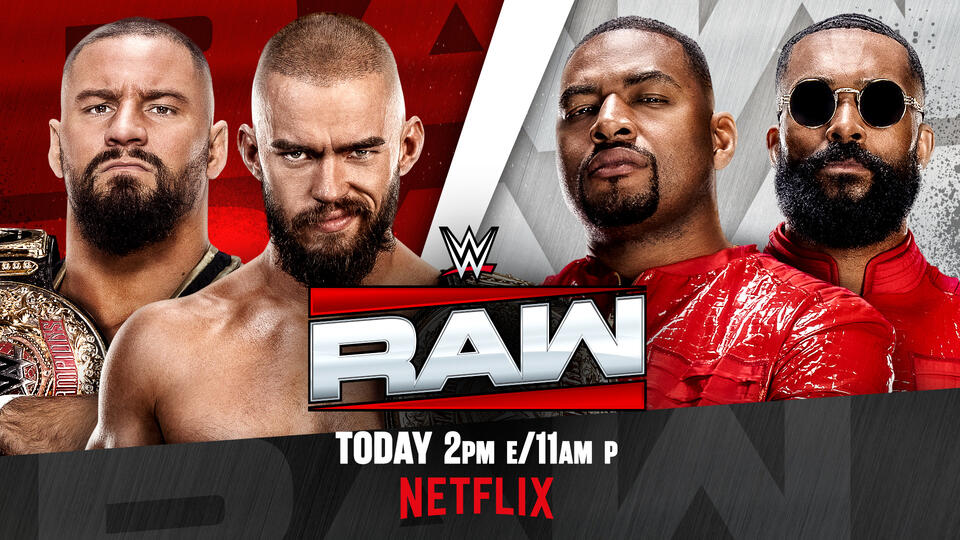
The Street Profits captured the World Tag Team Championship at the O2 Arena in London on June 22, 2026, but the victory arrived in a climate of instability. While Montez Ford and Angelo Dawkins secured the straps against The Vision, the match concluded with significant external interference from the returning Joe Hendry. The result, as reported by Wrestling Inc, was less a display of tag team dominance and more a byproduct of chaotic booking.
Reports emerging from the locker room suggest a collective unease regarding the state of the division. According to WrestleTalk, there is mounting internal frustration concerning the lack of depth and competitive variety across the tag team ranks. The reliance on outside interference to bridge narrative gaps points to a fundamental issue with how the company currently structures its primary secondary championships.
The medical uncertainty
Beyond the creative concerns in London, physical wear remains the primary disruptor for the division. While no specific clinical injury was confirmed for the participants in the World Tag Team title match, the current workload for top-tier talent in the tag division has been under intense internal review. Historically, forcing champions into frequent multi-man scenarios often masks the inability to build legitimate, standalone challengers to the respective divisions.
The move to put the titles back on the Street Profits suggests a desire to reset, but the reliance on established acts, rather than cultivating fresh combinations, mimics previous dead-ends in WWE booking. The roster is experiencing a high volume of physical stress, and the reliance on part-time surprises, such as the Hendry return, often functions as a stopgap for stars who are nursing minor, undetected ailments that limit full-scale physicality during weekly broadcast tapings.
Strategic implications
The division is currently stuck in a cycle of recycling the same talent configurations. Critics point to the recent collapse of programs involving R-Truth and Damian Priest as a primary example of how the promotion fails to diversify interest. Wrestling at the elite level requires long-term builds, yet the current trend favors rapid, result-oriented booking that often sacrifices sustained logic for a singular pop in international markets.
As noted in the PWTorch Hits and Misses, while segments featuring performers like Oba Femi and Jey Uso command serious attention, the tag team division frequently languishes in the middle of the card. The lack of variety is now arguably the most pressing issue for the creative team. Without a clear path to healing the division, these titles risk losing the prestige they gained earlier in the calendar year.
The road forward
The immediate resolution for the tag division requires more than title swaps. It requires a pivot toward sustained character development that doesn't rely solely on legends or surprise returns to legitimize the winners. The fans waiting for a fresh dynamic are getting impatient, and the current reliance on constant interference during high-stakes matches serves only to diminish the physical credibility of the champions.
When the dust settles on the London tour, the internal focus must shift to health management and creative variety. If the talent cannot be kept fresh, the division will inevitably drift toward irrelevance by the end of the fiscal quarter. The title change was a move to boost ratings in a key market, but it failed to solve the underlying issues of depth and sustained engagement.