The business math that doesn't add up
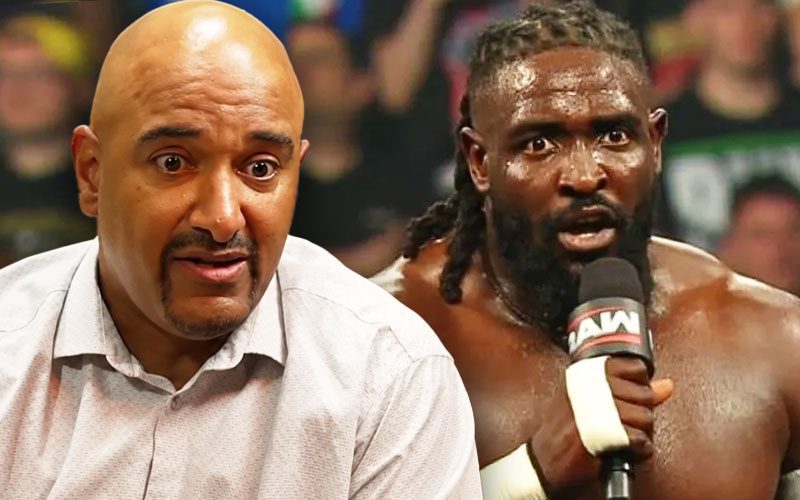
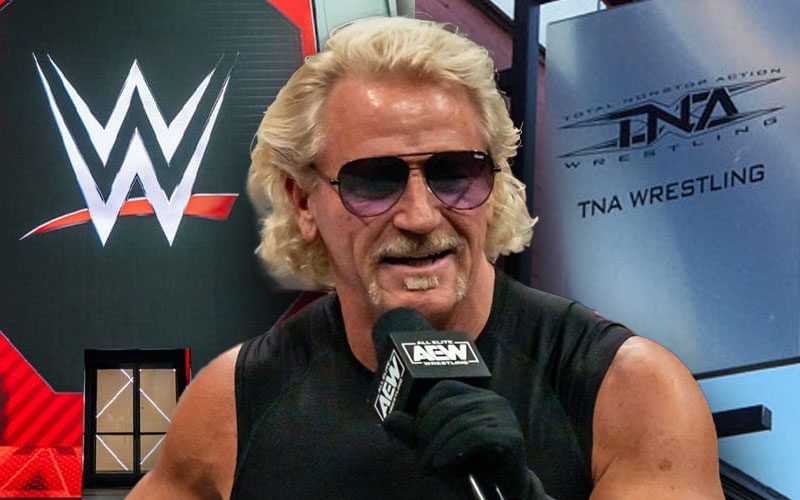
The murmurs surrounding a potential TNA and WWE business arrangement have moved from internet message boards to major industry podcasts. Jeff Jarrett, a man who knows the inner workings of TNA better than almost anyone, recently took to his My World podcast to dissect the rumored buyout clause currently sitting on the table.
Jarrett is hitting on the same point that has long-time wrestling observers shaking their heads. Why would Anthem, the parent company of TNA, agree to a framework that effectively hands WWE a lever to pull the plug at their convenience? It is a move that reeks of short-term cash flow prioritization over long-term brand sovereignty.
The competitive implications
In wrestling, optics are everything, but leverage is the only thing that actually moves the needle. If Anthem has indeed granted the Stamford group a path to acquire their intellectual property, they are actively devaluing their own roster. Wrestlers signed to TNA contracts now exist in a state of professional limbo—they are assets waiting to be liquidated.
We have seen this movie before in the mid-2000s under different management. A promotion treats its talent like balance sheet entries, and the product quality inevitably craters. For a look at how messy these corporate entanglements can get, Jeff Jarrett’s recent breakdown highlights the sheer lack of strategic foresight involved here. You do not invite the neighborhood shark to draft a purchase agreement for your house unless you have already decided to vacate.
What to watch for at the negotiating table
The danger here is not just the buyout clause itself, but the lack of transparency in the deal structure. If Anthem is indeed prioritizing an exit ramp, the creative output for their upcoming television tapings could reflect a lack of investment. Expect to see fewer long-term storylines and a reliance on short-term gimmick matches to boost temporary metrics.
History tells us that when a company prepares its assets for potential acquisition, they strip away the overhead first. That means less pyro, smaller house show loops, and potentially thinning out the back-of-the-card roster to make the profit margins look more attractive for a potential suitor. Watch the booking sheets closely over the next month.
My prediction? The deal stays in a state of suspended animation, serving as a sword of Damocles hanging over TNA’s creative department for the rest of the year. Anthem is betting they can find a buyer at a premium price, but they are forgetting that a promotion is only worth what people are willing to watch. If they continue to play second fiddle to a potential merger, the audience will simply drift away to rival promotions that look sustainable.