
The WWE free agency era is reaching a breaking point

Nick Aldis and the myth of the company man
The history of professional wrestling is littered with figures who refuse to acknowledge life outside their current promotion. Recently, a WWE legend suggested the organization should actively highlight the accomplishments Nick Aldis accrued before he took on his current role. According to WrestleTalk, the industry still operates under a restrictive internal logic. It ignores years of development to satisfy a branding requirement that everything exists solely within a singular television bubble.
This reticence regarding external accomplishments limits the gravity of characters like Aldis. By masking his previous titles and technical pedigree, WWE effectively neuters the legitimacy he brings to the performance. It is a strategic blind spot that prioritizes corporate consistency over the depth of the talent.
Logan Paul and the limits of the crossover dream
Logan Paul thrives in the white space between industries, yet even he finds hard walls when dealing with WWE management. Paul recently admitted that a high-profile bout against Paddy Pimblett is likely off the table. He cited the company's clear reluctance to facilitate external crossover fights. Ringside News noted this tension, underscoring that Paul’s penchant for chasing big-money viral clashes with names like Conor McGregor is often secondary to internal booking security.
The business sense here is obvious, even if it frustrates the performer. Allowing a talent of Paul's stature to engage in unpredictable external bouts risks the stability of his current program. When you build a division around specific personalities, you cannot leave the outcome of their highest-profile matches to chance in a different ring. It is a logical restriction, though it stifles the type of organic heat that makes combat sports captivating.
Santos Escobar and the cost of silence
The most pressing issue currently facing WWE governance is the upcoming contract expiration of Santos Escobar. Unlike talents who maintain a quiet exit, Escobar has utilized his final days to place both Triple H and Nick Khan on public notice. As reported by PWInsider, the former star is vocal about his departure. This is a move designed to reset his market value, signaling to the industry that he is no longer bound by the internal optics of his previous employer.
Escobar’s exit acts as a litmus test for how the company manages departures. When a talent hits free agency with this level of public agitation, the narrative shift can be damaging. Management effectively failed to secure his confidence or his signature, leaving a vacancy in the roster that they must now address on the fly. It is, quite frankly, a failure of player relations that reflects poorly on the long-term stewardship of the mid-card.
The strategic impasse
There is a recurring pattern here: WWE insists on control, yet witnesses talent either chafing against that control or leaving when those boundaries become too rigid. Whether it is the erasure of a legacy like that of Nick Aldis, the denial of circus-style crossover fights, or the loss of a vocal performer to free agency, the current operational style is showing cracks. The goal for any promotion is to minimize friction, yet the current climate is defined by it.
If the leadership remains committed to this rigid internal management, they risk losing the very edges that define a top-tier performer. A talent who feels silenced or restricted will eventually look for an exit strategy, just as Santos Escobar did. The company’s inability to accommodate personality-led growth results in a zero-sum game where the promotion wins in the short term but loses the overall engagement of the audience. The 30-day window before a contract expires is a volatile period that rarely ends with a clean handshake.
The fans notice the difference between a character who acts with agency and one who follows a script designed to eliminate their history. Relying on the current booking cycle without respecting the history of the performer is a recipe for stagnation. If the strategy does not evolve to reflect the reality of a global market, these high-profile exits will become the norm rather than the exception. A system designed to protect itself above all else eventually finds itself running out of room to grow.
Read Next
WWE Cody Rhodes American Nightmare Claim Your Kingdom T-Shirt
Finish your story with the official tee of the American Nightmare.
Frequently Asked Questions
Why does WWE avoid referencing a wrestler's pre-WWE career?
Why is a potential Logan Paul vs. Paddy Pimblett match unlikely?
How is Santos Escobar handling his looming contract expiration?
What impact does masking a wrestler's past have on their character?
What is the primary management failure indicated by the Escobar situation?
More Coverage
CM Punk and Stephanie McMahon: A study in professional distance
2 hours ago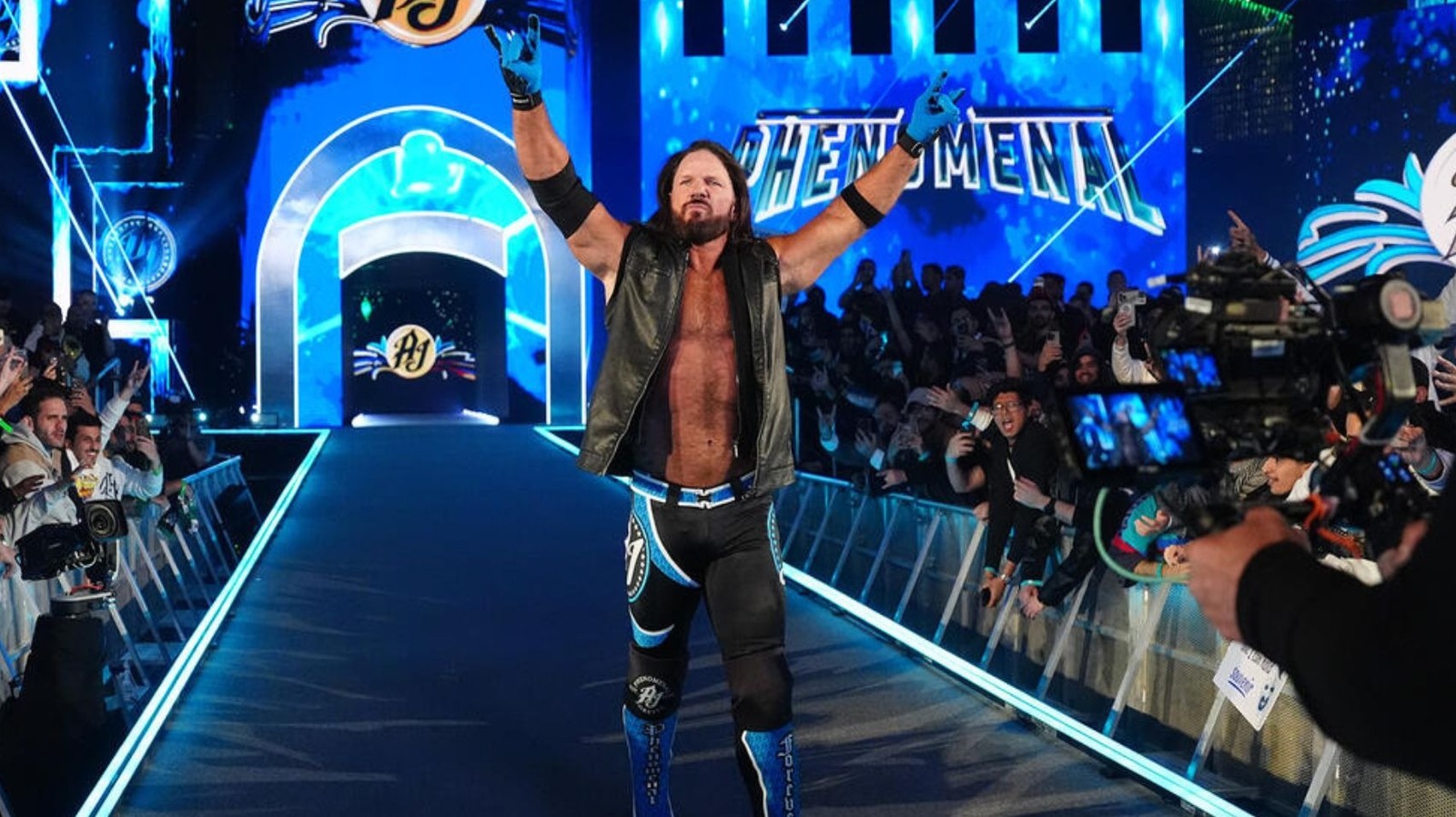
AJ Styles and Brie Bella address their uncertain futures in WWE
2 hours ago
Santos Escobar hits the exit as WWE contract standoff turns final
2 hours ago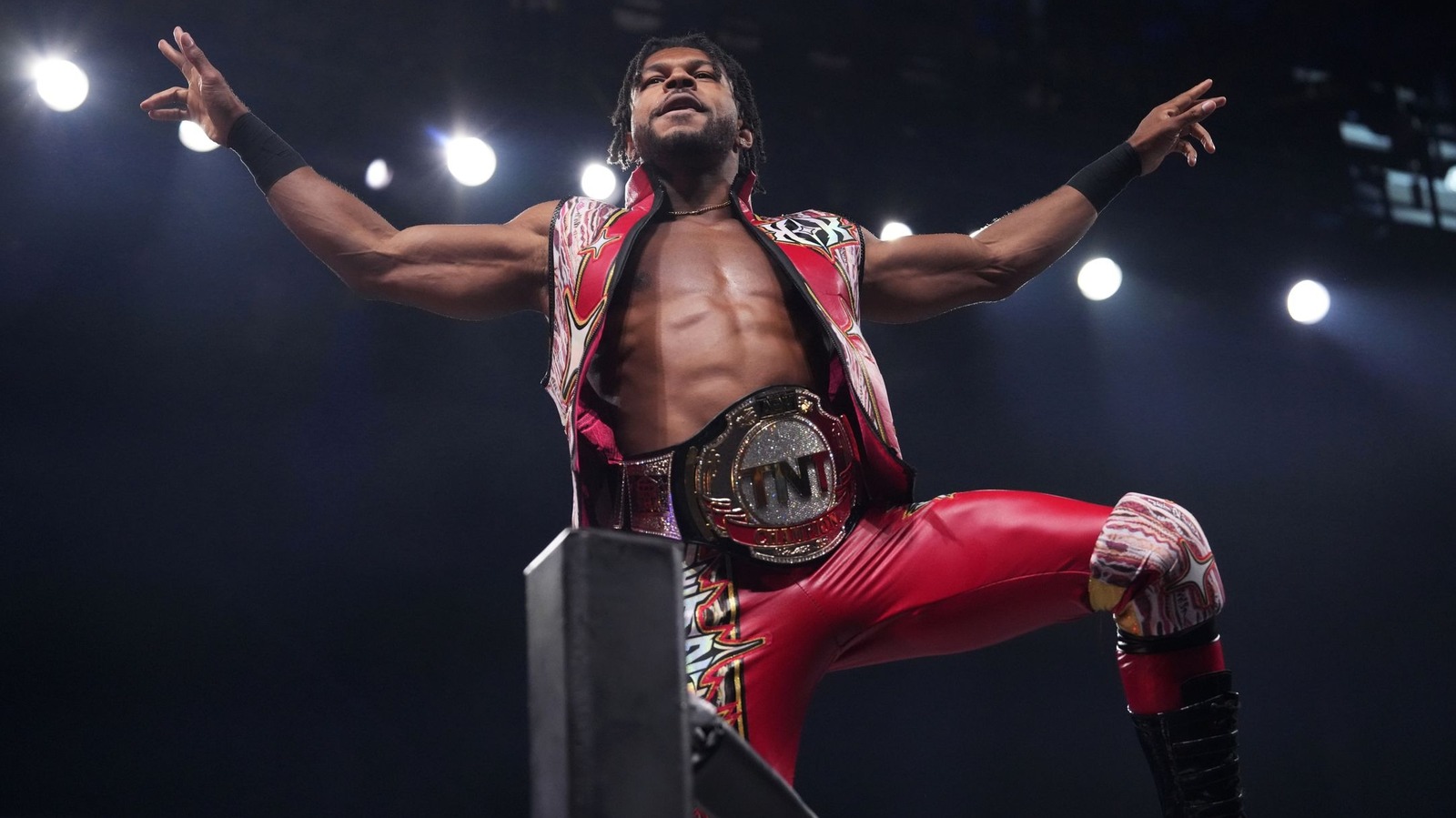
Kevin Knight is walking into a buzzsaw against Kenny Omega
2 hours ago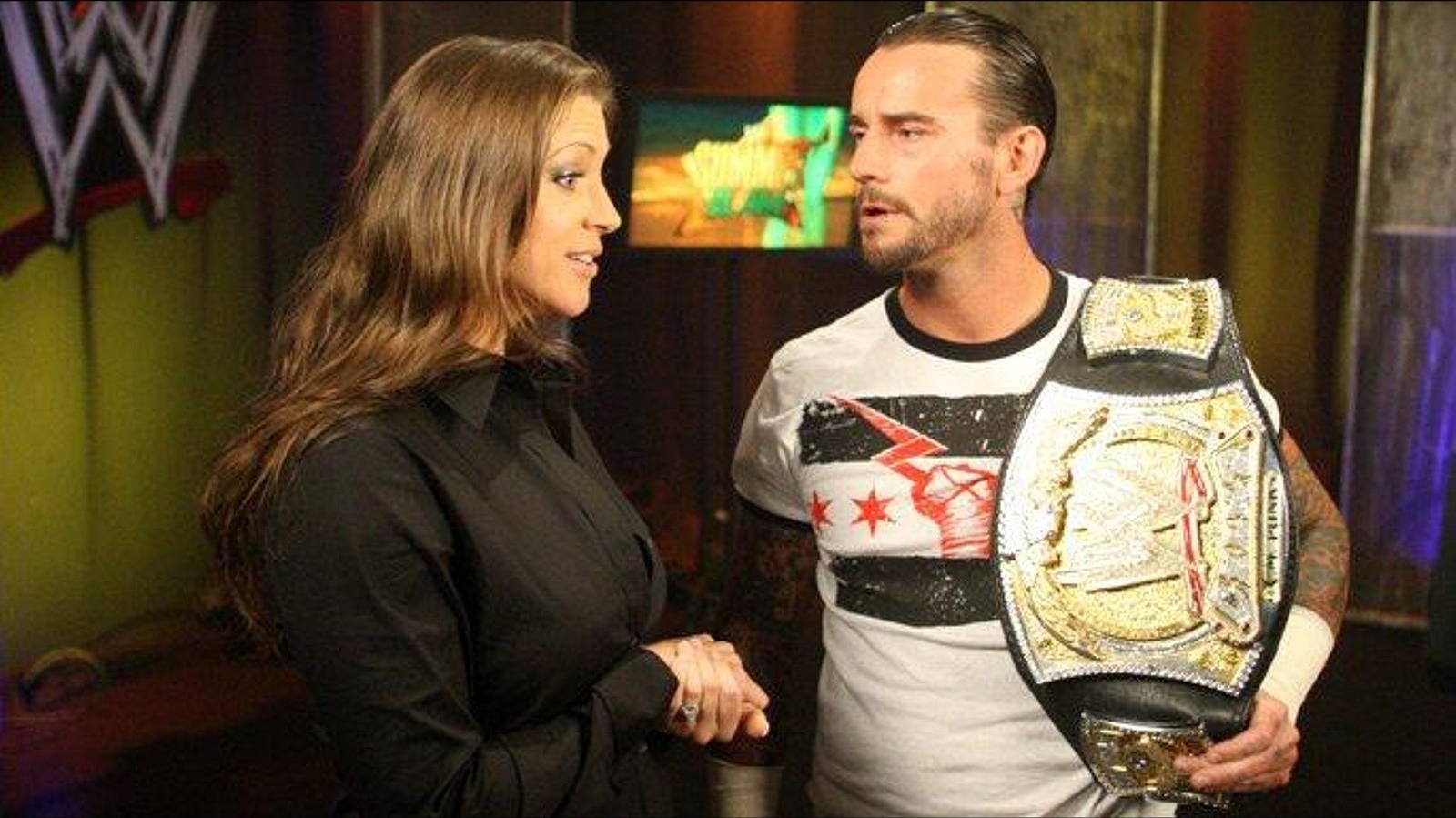
CM Punk spills the tea on his old-school WWE dynamic
2 hours ago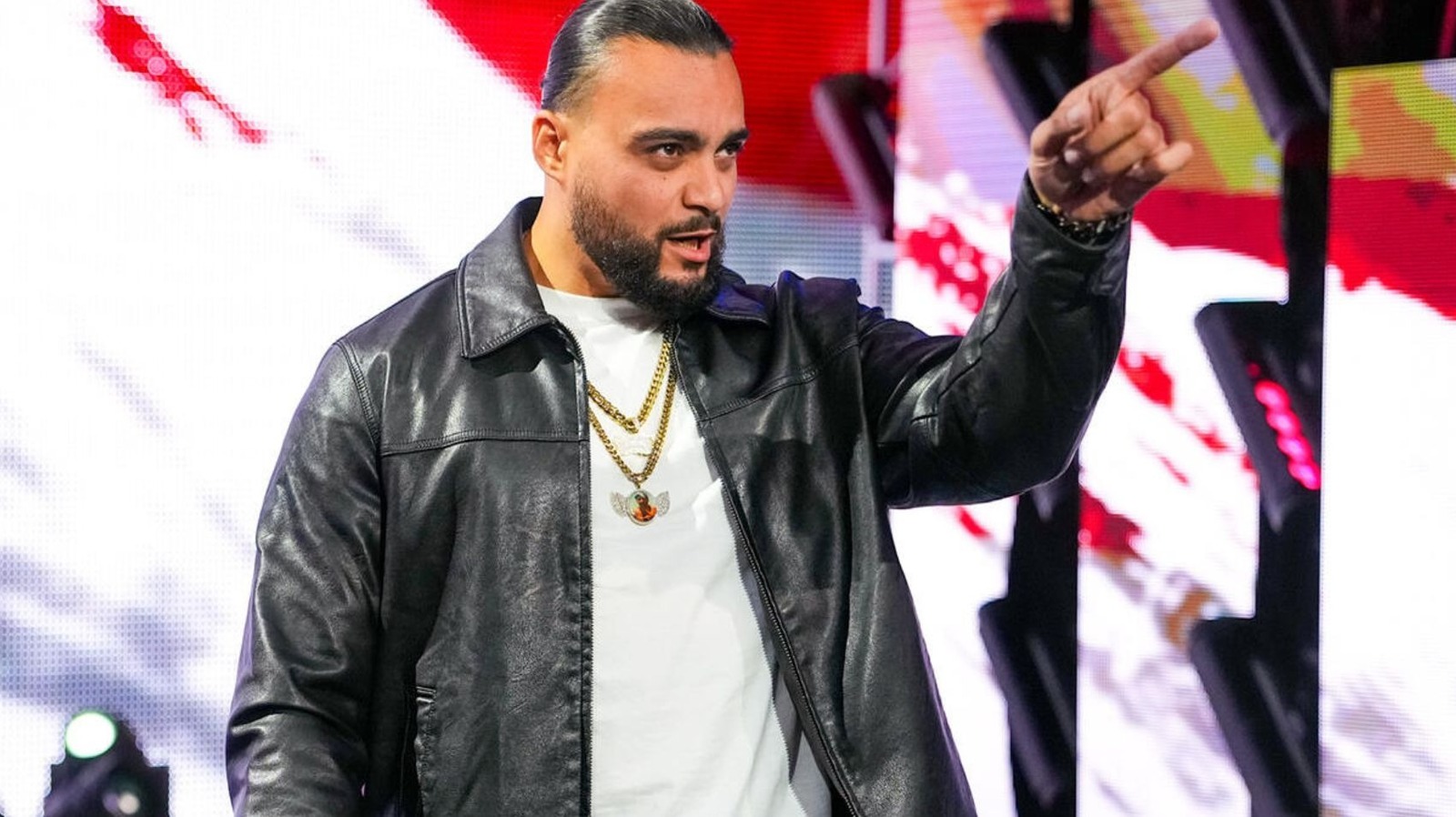
Mike Santana’s NXT arrival complicates the boundary between rosters
4 hours agoMore Analysis
CM Punk and Stephanie McMahon: A study in professional distance
2 hours agoKevin Knight’s win over Darby Allin was pure booking malpractice
2 hours ago
AJ Styles and Brie Bella address their uncertain futures in WWE
2 hours ago
Santos Escobar hits the exit as WWE contract standoff turns final
2 hours ago
Kevin Knight is walking into a buzzsaw against Kenny Omega
2 hours ago