The freeze-out in the corridors of power
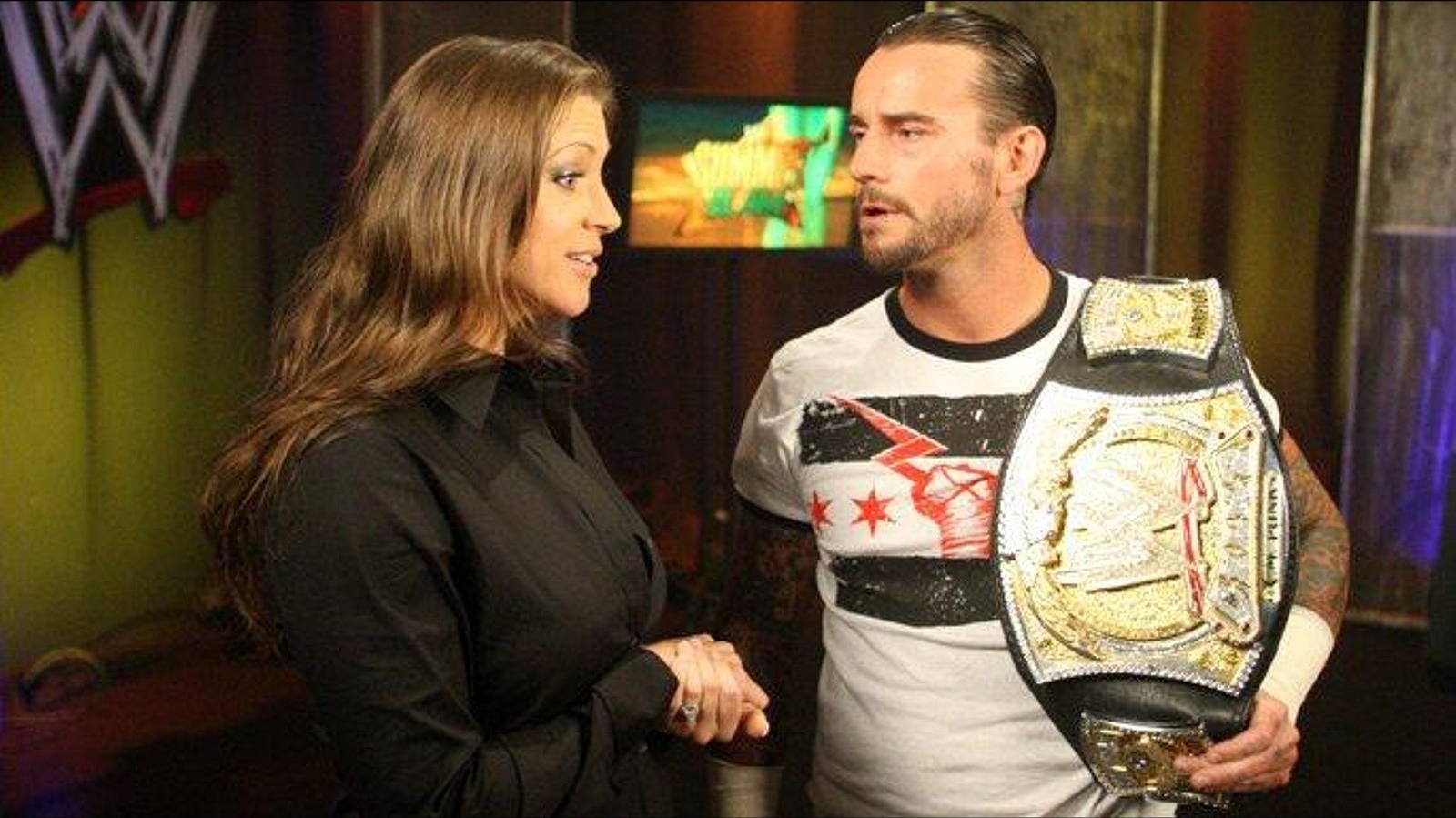
If you have spent any time in a locker room, you know the vibe. There is the guy you want to share a beer with after a card, and then there is the person who essentially owns the air you breathe. CM Punk recently opened up about his first WWE run, specifically regarding his interactions with Stephanie McMahon. Spoiler alert: they were not grabbing lunch in the catering tent.
Punk described a dynamic that can best be described as a high-stakes standoff. They occupied the same building for years, navigated the same television tapings, and surely walked past each other in the halls of venues like the Allstate Arena or Madison Square Garden. Yet, the interaction remained virtually non-existent. It was a professional vacuum that makes the typical corporate HR nightmare look like a summer camp.
The silence was louder than a pipebomb
Why does this actually matter to us? Because wrestling has always been built on the friction between those who lace up the boots and those who decide which music plays when they walk out. When you have an talent as volatile as Punk and a corporate figurehead as polished as Stephanie, that silence isn't just awkwardness. It is a calculated boundary.
Think back to 2011 to 2014. Punk was effectively the bridge between the dying embers of the Ruthless Aggression era and the sterile, PG-heavy production of the mid-2010s. He was out there cutting promos on John Cena, ripping into the system, and wrestling guys like Daniel Bryan and Chris Jericho while the front office watched from the gorilla position. The fact that the most outspoken guy in the building wasn't speaking to the daughter of the boss speaks volumes about the temperature in that room.
Reflecting on the WWE machine
This isn't about taking sides. If you look at the broader history of WWE, this kind of isolation is standard procedure. Vince McMahon ran that company like a fever dream, and his inner circle—including Stephanie—often acted as the gatekeepers for that dream. Punk was the guy screaming that the dream was a nightmare.
We have seen this dance before. It is not entirely different from the tension we saw in the late 90s when Shawn Michaels was the guy testing the patience of everyone in Stamford. The difference is the medium. Punk didn't fight with physical confrontation; he fought with his refusal to play the game. By opting for silence instead of sycophancy, he created a wall that Stephanie clearly didn't feel the need to climb over.
Was the distance a benefit or a burden?
Let’s be real for a second. While Punk’s candor is refreshing, there is a legitimate critique to be made here. If you are the top guy, holding the WWE Championship for 434 days, maybe you should have a constructive relationship with the person signing your checks. You can argue that this distance helped Punk maintain his edge, keeping his persona grounded in reality, but it also clearly eroded his sanity by the time he walked out in 2014.
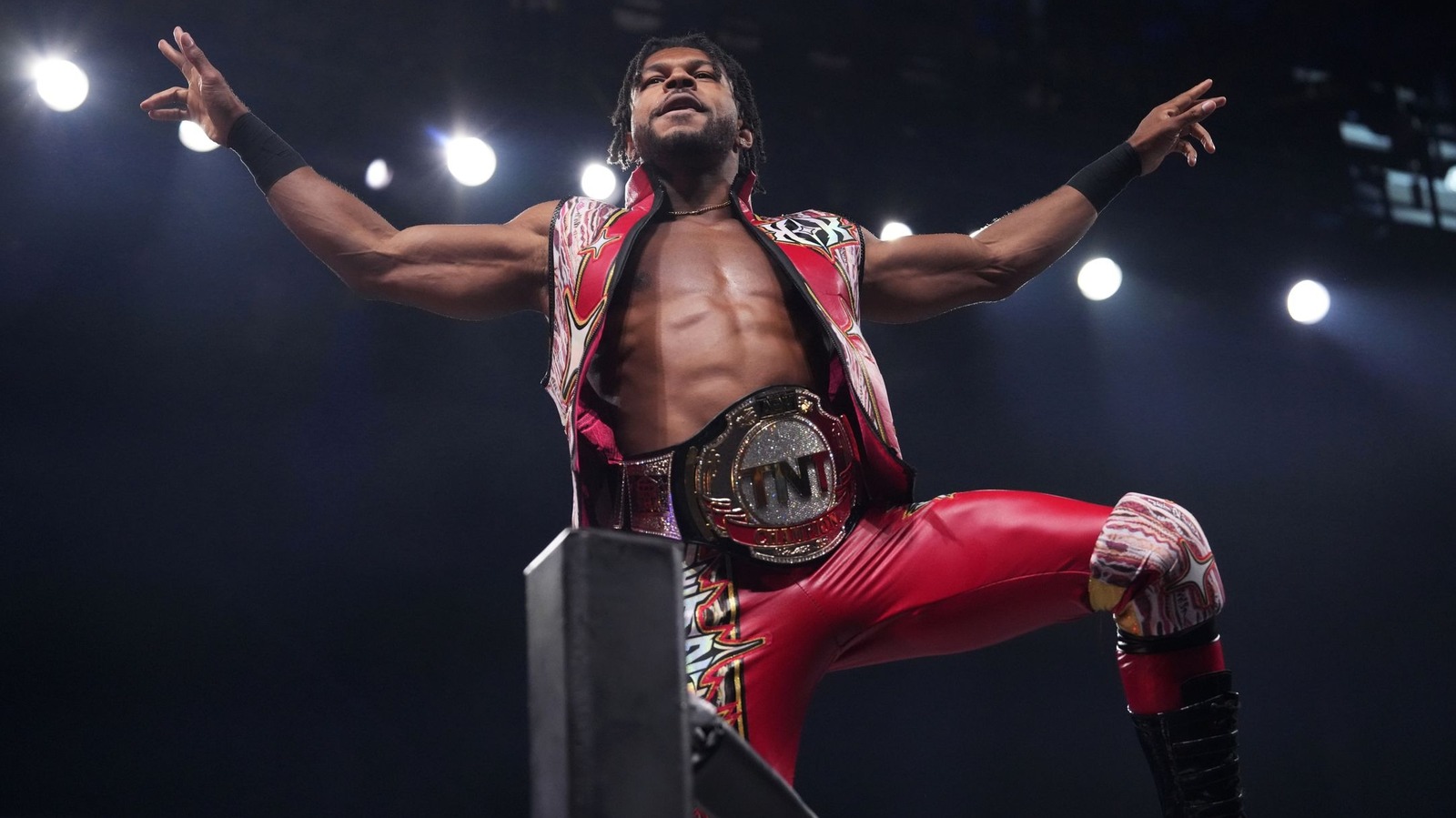
It mirrors the chaotic nature of industry dynamics we see today. Whether you are dealing with modern booking issues or historical grudges, the disconnect between the wrestlers and the people in suits is the primary engine of bad television. When the lines of communication break down, the product suffers. We saw it when the TNT Championship carousel became a revolving door of indifference, and we saw it in the final months of Punk’s first run.
The reality of the modern era
Look at the footage from those days. Look at the post-match scuffles or the contract signing segments that dragged on for 20 minutes. There was a weird, clinical detachment to everything Triple H and Stephanie were involved in during that period. Punk was essentially a guy living on an island, staring at the mainland and wondering why the ships weren't coming to shore.
Maybe the lesson here is simple. Professional wrestling is a business of egos, but it is also a business of communication. If you cannot look your boss in the eye, you probably won't be employed there forever. Punk left, came back, and left again, and people are still dissecting these stories over a decade later. That is the definition of a legacy, even if that legacy was built on a foundation of awkward silences and cold shoulders.
- Punk held the title for 434 days during his record-setting run.
- The disconnect between management and talent often leads to stagnant creative direction.
- Silence in a professional environment is often a tactical choice, not an accident.
- History shows that wrestlers who operate in a vacuum usually exit the company under fire.
- The wrestling community thrives on these behind-the-curtain stories because the product itself is often too sanitized to reveal the truth.
At the end of the day, Punk told us the truth about his feelings, and for once, the internet is right to pay attention. It paints a picture of a company that was perhaps even more dysfunctional than we assumed. In a world where everybody is trying to play nice to get a spot on the card, someone refusing to talk at all is the ultimate rebel move.
Read Next
- CM Punk spills the tea on his old-school WWE dynamic
- Why we are still talking about Survivor Series 2006
- Santos Escobar hits the exit as WWE contract standoff turns final
- Cody Rhodes battles lingering injury following chaotic backstage skirmish
- 🏆 WrestleMania 41 — Full Coverage Hub
- 💊 CM Punk WWE 2026 — Best in the World