The Corporate Shell Game
Pull up a barstool, grab a cold pint of the cheapest lager on tap, and let's talk about the corporate suit magic show TKO just pulled off with their bank account. If you thought professional wrestling was still about folding chairs, blood-stained mats, and guys screaming into microphones in dark arenas, you haven't been paying attention to the stock ticker. TKO Group Holdings, the corporate parent that swallowed both WWE and UFC, just announced they completed a massive $800 million accelerated share repurchase program.
That is not monopoly money; that is real, cold cash used to buy back their own stock from Wall Street power players. According to a report by PWInsider, the final settlement of this transaction wrapped up on June 30, 2026. Mark Shapiro, the president and COO of TKO, did the classic corporate victory lap to celebrate the occasion.
Shapiro claimed the buyback reflects the company's internal optimism. Here is the exact corporate-speak he dropped on the business wire:
"Completing this ASR marks another important step in our capital return program and reflects our continued confidence in TKO's business and outlook"
Of course he has confidence. When you have enough muscle to dictate terms to major streaming networks, you tend to sleep pretty well at night. But behind the dry financial jargon lies a deeper story about where WWE is heading, and it is not a place that cares about the fans in the cheap seats.
For those of you who did not major in finance and actually spend your Monday nights watching wrestling, a share buyback is corporate hot-dogging. It is what a company does when they have so much cash lying around that they do not know what else to do with it. They buy back their own shares to make the remaining stock more valuable.
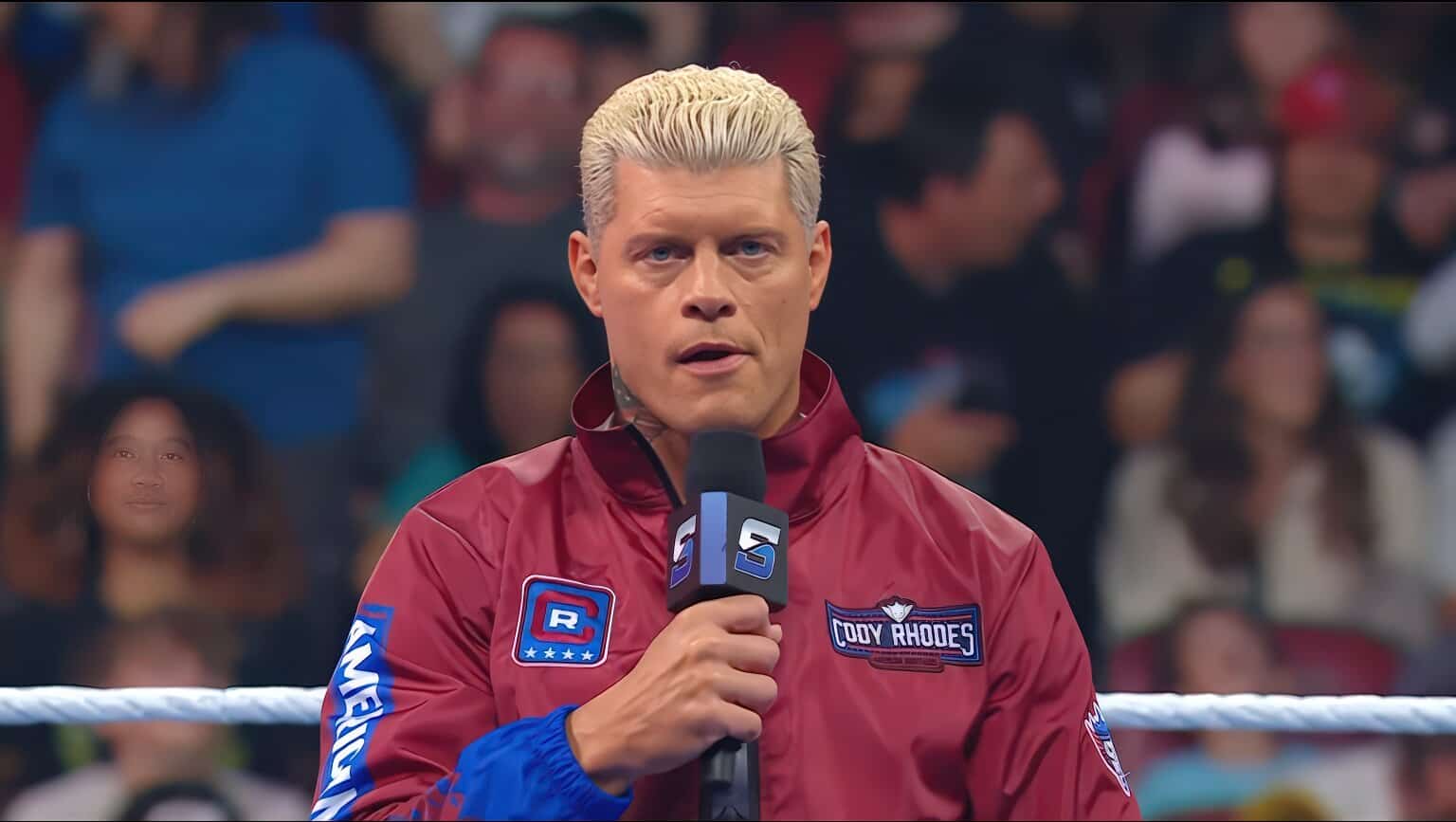
Think of it like Cody Rhodes hitting a triple Cross Rhodes on Roman Reigns to win the Undisputed WWE Universal Championship at WrestleMania 40, or Gunther collapsing a challenger's chest with a brutal powerbomb at the 20-minute mark of a main event, except the opponent here is the open market. It artificially inflates the stock price, keeps the institutional investors happy, and makes the board of directors look like absolute geniuses. But while the suits on Wall Street are popping expensive champagne in their private suites, the people actually taking the bumps on the canvas are feeling the heat in a different way.
The Morgan Stanley Money Machine
Let's look at the actual numbers here, because the scale of this transaction is staggering. TKO kicked off this party back on March 11, 2026, by handing over the cash to the investment bankers at Morgan Stanley. In exchange, Morgan Stanley immediately handed over an initial batch of shares.
- TKO initiated the ASR on March 11, 2026, paying Morgan Stanley the initial fee.
- Morgan Stanley delivered 3,136,179 shares of Class A common stock immediately.
- The final settlement concluded on June 30, 2026, delivering the remaining 1,031,119 shares.
All told, TKO took 4,167,298 shares off the open market. That permanently shrank the pool of available stock and boosted their earnings per share numbers. It is a highly calculated game of capital deployment.
But they are not done shopping yet. TKO is still actively running a separate 10b5-1 trading plan to buy back another $200 million worth of stock. That plan started back on May 14, 2026, and is scheduled to run until August 31, 2026, unless they run out of authorized shares first.
When you add it all up, that is a cool billion dollars earmarked just to inflate their own stock price. For context, that is more money than the entire net worth of most legacy wrestling promotions combined. It is the corporate equivalent of Roman Reigns keeping the Undisputed Championship by having Solo Sikoa and Jimmy Uso run interference.
It looks great on paper, and the record books will write it down as a historic run. However, it ignores the daily grind of the rest of the roster. The money is flowing upward, and it is staying there.
The Fan Tax and the Locker Room Squeeze
This is where the sports bar conversation gets loud, because this corporate greed has a direct impact on the product we watch. While TKO is throwing around hundreds of millions of dollars to buy back stock, WWE is still squeezing its fanbase for every single cent. Have you tried buying tickets to a premium live event lately?
A decent seat at a major show will easily run you hundreds of dollars before fees. They are charging premier prices because they know the fans will pay it. But they are funneling those record profits right back to the stock market instead of investing it in the fan experience, even as financial documents show TKO sitting on massive reserves.
It is even worse backstage. Over the past couple of years, we have watched WWE release talented performers under the guise of budget cuts, letting go of hard-working midcarders who were just starting to get over with the crowd. It is hard to swallow the news of a locker room purge when the parent company is bragging to investors about having enough cash to execute a massive buyback.
If you have the money to buy back millions of shares, you have the money to keep talented workers on the payroll. You have the money to pay for better travel accommodations. Instead, the locker room is expected to grind through a brutal touring schedule while the board members collect their stock options.
Let's not forget the production value cuts either. Fans have noticed that the spectacular, custom stage designs for B-level premium live events have mostly been replaced by generic LED screens. WWE claims this is to open up more seats and increase ticket revenue.
That makes sense from a business standpoint. But when you look at the TKO balance sheet, it becomes obvious that these decisions are not about survival. They are about cutting every possible corner to maximize the cash flow that feeds the Wall Street machine.
The Game is Changing and Not for You
This is the new reality of professional wrestling under the TKO banner. The company is no longer run by a crazy promoter who makes decisions based on crowd reactions and gut feelings. It is run by corporate executives who answer to institutional investors and board members.
When Raw moved to Netflix in January 2025, it was hailed as a massive win for fans. In reality, it was a massive win for TKO's cash reserves. That deal is the fuel that allows TKO to execute these massive share repurchases in the first place.
But what does the fan actually get out of this corporate consolidation? We get higher ticket prices, more sponsors plastered all over the ring mat, and a product that feels increasingly polished. The wild, unpredictable energy that made wrestling great in the late nineties is slowly being replaced by a highly optimized entertainment product.
It is hard to get invested in an underdog storyline when you know the entire company is owned by a conglomerate. They view the wrestlers as capital assets and the fans as customer acquisition targets. The magic of the squared circle is being corporate-packaged and sold back to us at a premium.
So, the next time you see a corporate press release bragging about share buybacks and capital return programs, don't celebrate. That cash did not go toward hiring better writers, upgrading the training facilities, or making tickets more affordable for families. It went right into the pockets of the people who already have more money than they can spend.
That is the modern wrestling business. It is a tough pill to swallow for anyone who fell in love with the sport for what happens inside the ropes.