The Corporate Face of Talent Relations
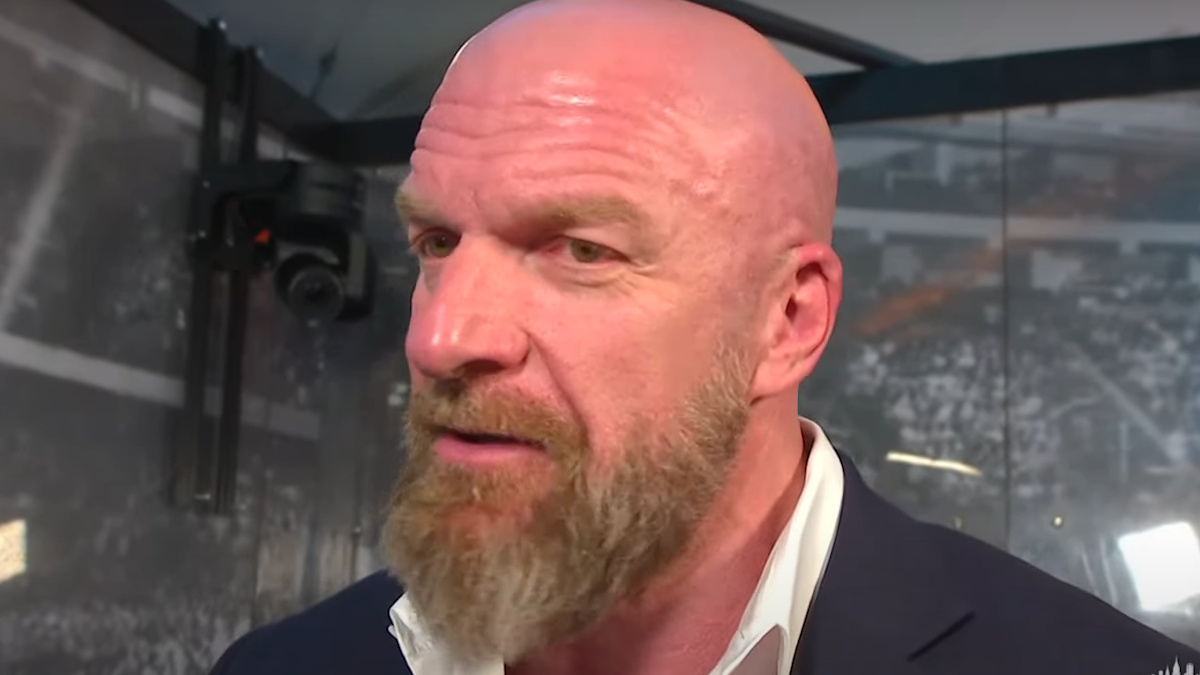
TKO has released a new behind-the-scenes video showcasing WWE's Talent Relations department, as reported by WrestleTalk. It is a slick, heavily produced look at the people tasked with managing the most punishing roster in sports entertainment. The video pushes a narrative of a supportive, family-like environment. But looking past the polished social media presentation reveals a much more complex statistical reality.
Running talent relations for WWE in 2026 is no longer about managing egos in a smoky backstage area. It is a massive human resources operation for a publicly traded monolith. The department is handling a sprawling workforce under incredibly unique employment conditions.
By the Numbers: Managing the Roster
Consider the sheer volume of personnel involved. The current roster structure encompasses over 250 active in-ring performers across Raw, SmackDown, and NXT. When you factor in referees like Charles Robinson, producers such as Jason Jordan, broadcast teams, and developmental trainees at the Performance Center, the talent relations team is actively managing upward of 400 individuals.
This represents a 15% increase in roster size compared to the lowest point of the pandemic era cuts in late 2021. During that period, WWE notoriously released over 80 talents in a single calendar year. The current regime under Paul Levesque has prioritised depth, bringing back released performers like Dakota Kai and Bronson Reed while heavily expanding the NXT pipeline.
This bloat creates a mathematical problem for television time. Raw offers 180 minutes of broadcast time per week. SmackDown offers 120. Factor in commercial breaks and non-wrestling segments, and you have roughly 200 minutes of actual ring time to distribute among 150 main roster stars. The math simply does not work, leaving dozens of highly paid talents sitting in catering on any given night.
Retention Rates and the Levesque Era
The most striking shift in WWE's talent relations strategy over the past three years is retention. Under the previous administration, release waves were a quarterly feature of the financial calendar. The cuts on April 15, 2020, and November 4, 2021, completely gutted the midcard. Today, the turnover rate has plummeted.
Looking at the top 50 merchandise sellers from 2024, an astonishing 94% are still under contract in May 2026. This stability is largely credited to Levesque's creative approach, but it also reflects TKO's desire for predictable revenue streams. You cannot build long-term sponsorship deals around a volatile roster.
However, this stability comes with a distinct downside. The lack of roster churn means the midcard is completely bottlenecked. Talents who would have traditionally been released to rebuild their stock on the independent scene are instead accepting lucrative, multi-year extensions to work dark matches. It provides financial security for the talent, but it often leads to a creatively stagnant television product.
The Financial Evolution of the WWE Contract
The evolution of the WWE contract under TKO is another area where the math has drastically changed. During the Monday Night Wars, downside guarantees of $250,000 were considered groundbreaking. Today, the financial floor for a main roster talent has shifted significantly. Industry reports suggest the minimum main roster base salary now sits comfortably around $350,000 annually.
But the real money is in the upside, and that is where talent relations does its heaviest lifting. Merchandise cuts, video game royalties, and third-party platform revenue splits are incredibly complex. When a talent signs a new five-year deal, talent relations isn't just negotiating a wrestling contract. They are negotiating a multi-platform licensing agreement.
Consider the recent renewals of top-tier stars like Drew McIntyre and Seth Rollins. These deals are reportedly structured with escalating base salaries that can exceed $3 million to $5 million annually, putting them on par with mid-level NBA players. Managing a payroll of this magnitude requires a talent relations department that operates more like a professional sports front office than a traditional wrestling booking committee.
The NIL Pipeline: A Statistical Gamble
The video briefly touches on the developmental process, an area where WWE has radically altered its statistical approach. The Next In Line (NIL) program has fundamentally shifted how the company recruits. They are no longer solely scouring independent promotions for seasoned workers like they did with Kevin Owens or Sami Zayn. They are actively targeting Division I athletes with specific physical metrics.
Since its inception, the NIL program has signed over 60 collegiate athletes. The conversion rate, however, tells a fascinating story. Of the first two classes of NIL signees, less than 20% have made a televised appearance on NXT. Less than 5% have graduated to the main roster.
This is a volume game. WWE is essentially operating like a venture capital firm, making dozens of small bets on raw athletes in the hopes that one or two become the next Bianca Belair or Bron Breakker. We saw this reality hit home when Gable Steveson was eventually let go—a stark reminder that raw Olympic athleticism doesn't automatically translate to ring psychology. The talent relations department has to manage this massive influx of raw recruits, many of whom have never run the ropes before signing their contract.
Global Touring and the Logistical Nightmare
If managing the domestic schedule is difficult, the international expansion under TKO has turned talent relations into a global logistics firm. WWE has moved away from the traditional model of isolated international tours, opting instead to host premium live events across the globe. Within the last twelve months, the company has run major stadium shows in Australia, France, Scotland, and Saudi Arabia.
With WWE Backlash 2026 just seven days away, the logistical machine is currently focused on the final preparations for the event. Moving 80-plus performers, hundreds of crew members, and tons of equipment for these major weekend shows requires military-level precision. Visa issues, travel delays, and international tax laws fall squarely under the purview of talent relations.
During the recent run to the Elimination Chamber in Perth, Australia, reports indicated that the travel budget alone exceeded $2 million. The talent relations team had to coordinate commercial and charter flights for a massive contingent, managing time zones and jet lag to ensure performers were physically ready to compete upon arrival.
A Changing Locker Room Demographic
The demographic makeup of the locker room has also fundamentally shifted, changing how talent relations operates on a daily basis. Ten years ago, the average age of a WWE main eventer was hovering around 38. Today, there is a distinct bipolarity to the roster age.
You have a veteran core in their late 30s and early 40s—performers like Roman Reigns, Cody Rhodes, and CM Punk—who require careful physical management and reduced house show schedules. On the other end, the influx of NIL talent and young independent standouts has created a secondary tier of performers in their early 20s.
This age gap presents unique daily challenges. The veterans demand specific accommodations regarding travel and booking, while the younger talents require intensive coaching and media training. The talent relations department is effectively managing two entirely different workforces simultaneously.
Independent Contractors in a Corporate World
This brings us to the most glaring omission in TKO's PR push. The video portrays talent relations as a traditional corporate HR department. But the performers they are managing are not actual employees. They are independent contractors.
This classification remains the elephant in the room for WWE's business model. It allows the company to avoid providing traditional health insurance, retirement benefits, or paid time off, shifting those burdens onto the talents themselves. The talent relations department acts as a buffer between the corporate entity and these contractors, enforcing strict behavioral and media guidelines while denying them the legal protections of full-time employment.
TKO is absolutely thrilled to show off their modern, efficient talent management system on social media. They are notably less enthusiastic about discussing the archaic labor classification that makes their massive profit margins possible.
The Bottom Line
The social media video is exactly what you would expect from a publicly traded behemoth. It is slick, reassuring, and completely devoid of friction. But the numbers behind the scenes paint a very different picture of the reality on the ground.
Managing over 250 independent contractors, dealing with a 5% success rate in the NIL program, and navigating the constant logistical hurdles of global touring requires a ruthless level of organisation. Talent relations in 2026 is less about managing personalities and more about managing human assets. TKO wants you to see a family, but the spreadsheet shows a highly demanding corporate machine.