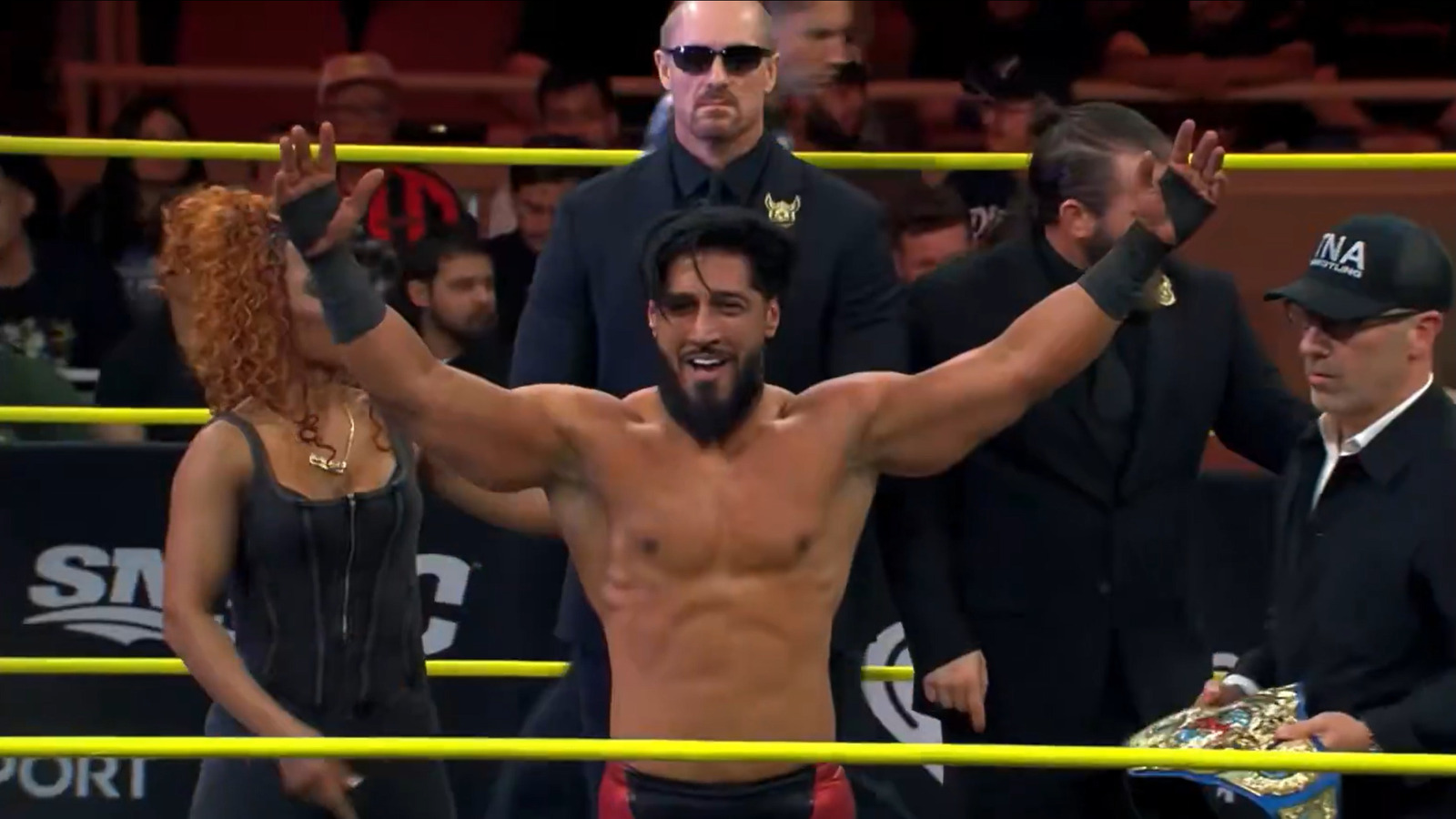
Title changes define the July 9 edition of TNA Impact
TNA management looked to inject immediate stakes into their Thursday night broadcast on July 9, 2026. The promotion centered the card around two championship bouts, effectively shifting the status quo for both the tag team and women's divisions in a single window.
The World Tag Team Championships served as the primary hook for the night. The fallout from these matches signals a clear creative direction for the upcoming summer pay-per-view cycle. While the action in the ring remained high-intensity, the booking decisions reflect a company aiming to reset its competitive hierarchy before the fall.
Knockouts division undergoes a major shift
The Knockouts Championship match occupied the middle portion of the show, acting as the pivot point for the two-hour broadcast. It was a high-stakes affair that leaned into the division's current technical strengths. The crowd reaction remained consistently loud throughout the final sequence, confirming that the TNA audience is still deeply invested in the Knockouts title lineage.
The finish arrived when the challenger secured the pinfall win, ending the previous reign abruptly. It was a calculated risk by the booking committee to move the gold now rather than delaying for a larger stage. By pulling the trigger on short rest, they have disrupted the expected flow of the division. This puts the former champion at an immediate crossroads in terms of character development.
Tag team chaos resets the World Tag Team titles
The main event centered on the World Tag Team Championships. This contest was messy, featuring interference and a chaotic ringside environment that threatened to overrule the actual technical work displayed by the participants. The champions entered with momentum, but the challengers utilized double-team maneuvers to neutralize the speed advantage.
When the dust settled, the referee signaled a title change in the 18-minute mark of the contest. The new champions won via a tandem finisher that left the previous titleholders reeling against the ramp. This victory serves as a narrative anchor for the tag division, which has struggled to find a consistent identity since the spring season.
Critical look at the production and booking
While the title changes provided necessary buzz, the show was not without its flaws. The pacing in the first hour suffered from excessive downtime between segments. Production choices during the second championship match left viewers frustrated, as the camera missed two separate high-impact spots due to a lingering shot on a ringside manager.
These technical hiccups are a persistent issue for the brand this year. If they want to maintain the relevance of titles like the World Tag Team belt, they must polish the presentation. Relying on championship switches to generate organic interest is only a temporary fix for broader structural inconsistency.
Fans looking for more depth on the fallout can follow the latest coverage of the event as the roster prepares for the next round of television tapings. The shift in gold confirms that the front office is not afraid to hit the panic button on underperforming storylines. Whether these new champions can maintain the heat remains a secondary concern, especially given the upcoming roster rotation slated for August.
The lack of clear babyface challenger momentum for either new champion is the most glaring issue coming out of Thursday. Booking titles is simple; finding credible opponents for the next three months is the challenge the creative team now faces. They have the 3 titles active on the main show, but the depth chart appears thin beyond the current top four contenders in each category.