TNA management's failure to retain Tessa Blanchard exposes a broken strategy
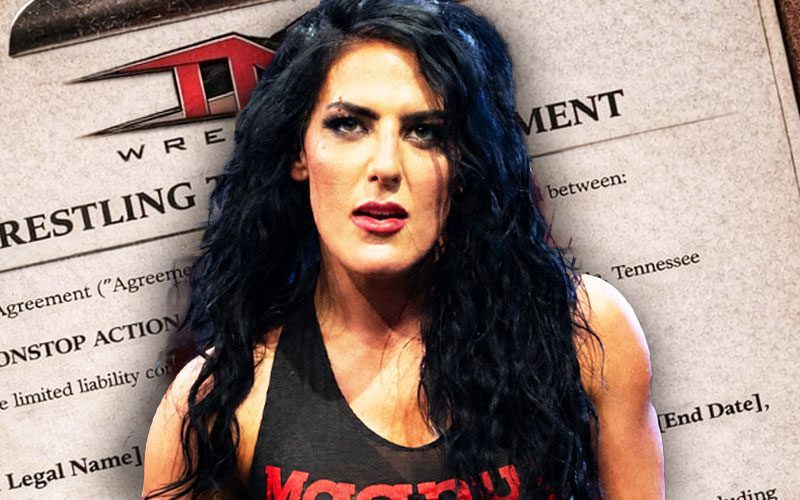
The cost of failed negotiations in TNA
The recent revelation that TNA management prepared a lucrative counter-offer to keep Tessa Blanchard before her eventual departure highlights a deep-seated disconnect within the company’s internal operations. Management did not simply push for her exit as rumors initially suggested; rather, the situation suggests a reactive approach to talent retention that lacked internal alignment. Offering more money at the eleventh hour is rarely a fix for structural dissatisfaction. When a promotion operates with such fluid, often contradictory directives, it inevitably creates a void in the main event hierarchy.
Blanchard’s departure removed a focal point from their divisional booking. Without a clear plan for how to utilize a performer of her caliber, the company essentially left the door open for her exit. The mismanagement here is not about the specific dollars drafted in a failed contract proposal, but the timing. Decisions made on the assumption that a competitor will react to a check suggest a misunderstanding of how talent evaluates their progression beyond simple base salary figures.
Tactical inconsistencies in the Knockouts division
Looking at the match data, the vacuum left by Blanchard’s absence changed the rhythm of their television product. Matches throughout late 2020 through her exit phase lacked the technical buildup that previously defined the division. The loss of a consistent anchor meant that transition spots—those critical sequences between a standard striking exchange and a finisher—became increasingly disjointed. In some contests, the pacing dropped by nearly 15% during the middle act of bouts.
This is a recurring theme in how TNA manages high-profile exits. Rather than iterating on their existing structure, they often attempt to plug holes with talent that require a completely different tactical setup. Relying on sheer star power to cover for an absence leaves mid-card work exposed. A move like a simple snap suplex or a transition into a submission hold requires buy-in from the opponent and a shared understanding of match geometry. When that foundation shifts, the product suffers, as evidenced by the lack of cohesive storytelling in the following months.
The danger of chasing past momentum
Booking should be about building on the strengths present in the locker room today, not mourning what passed yesterday. TNA’s obsession with securing talent after the bridge has been burned speaks to a lack of confidence in their current roster configuration. By focusing resources on retroactive retention attempts, they neglected to push mid-tier performers who were ready for more significant screen time. This stagnant booking approach is exactly why they struggle to maintain audience engagement over longer arcs.
A critical observation remains: TNA often sacrifices mid-card development to prop up top-heavy narratives. When the top-tier talent exits, the narrative collapses entirely. This isn't just about losing a performer; it is about the loss of a tactical rhythm that their audience expected every week. If they continue to prioritize reactive spending over proactive creative development, they will find themselves perpetually stuck in a cycle of rebuilding, regardless of how much capital they claim to have at their disposal during the negotiations process.
WWE CM Punk Best in the World T-Shirt
The iconic ringer tee of the Second City Saint.
Frequently Asked Questions
Why did TNA fail to retain Tessa Blanchard?
How did Blanchard’s departure impact TNA's match quality?
What is the primary flaw in TNA's talent retention strategy?
How does TNA mismanage its Knockouts division?
What are the consequences of TNA's stagnant booking approach?
More Coverage
TNA is quietly building a roster that could actually threaten the status quo
5 hours ago
TNA creative overhaul signals path for major roster shakeup
5 hours agoGotham Wrestling needs a reset after last week's lackluster main event
10 hours ago
Matt Hardy fires back at TNA sale rumors
12 hours agoNJPW is turning the G1 Climax into a game show and I hate it
13 hours ago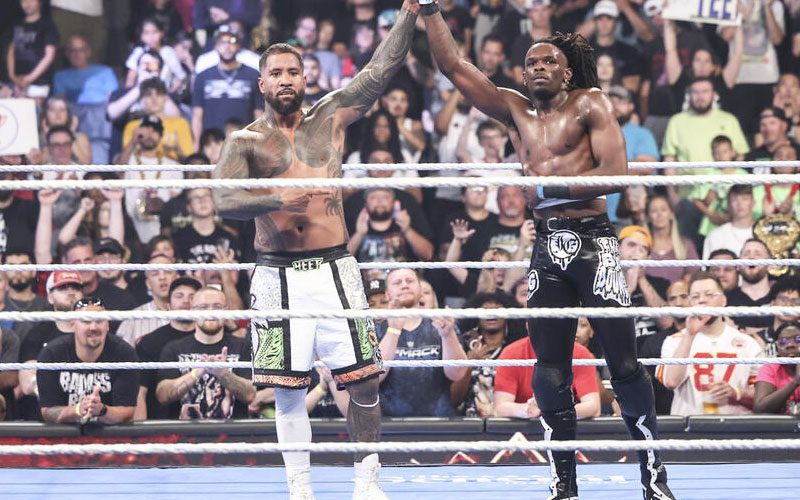
Jey Uso’s King of the Ring run exposes a massive divide in fan reception
14 hours agoMore Analysis

Nathan Frazer's title push in London is a risky gamble
4 hours ago
Top 10: WWE’s Most Explosive Moments of 2026
4 hours ago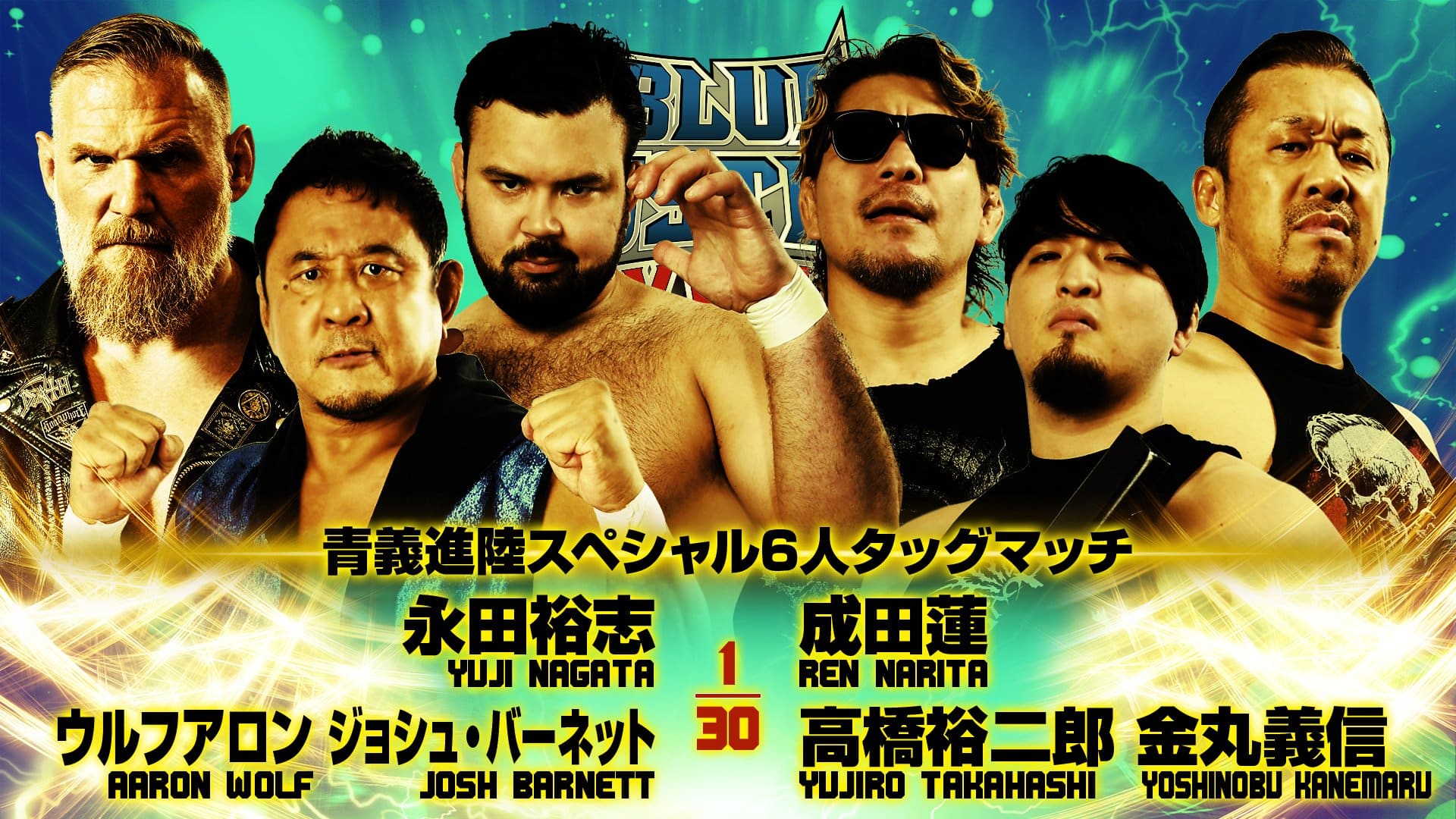
NJPW roster thin following Blue Justice XVIII as injury concerns mount
4 hours ago
Top 10: WWE’s Most Explosive Moments of 2026
4 hours ago
Jaida Parker's NXT trajectory after physical outing against Natalya
4 hours ago