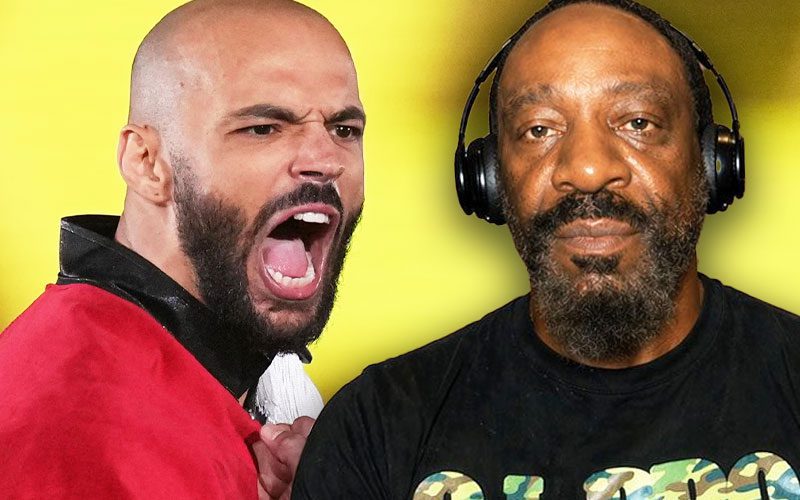
The Voice of Reason in a Chaotic Squared Circle
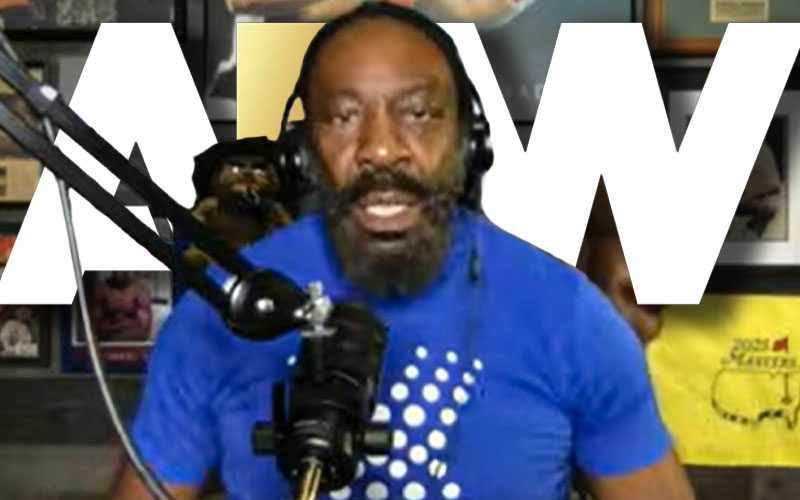
Booker T remains the most polarizing analyst in wrestling, balancing his Hall of Fame credentials with a willingness to ruffle feathers. His commentary on modern match structures and star development has become an unmissable part of the weekly discourse.
10. The Brock Lesnar Approval
Booker T maintains that Lesnar is a massive draw regardless of his part-time schedule. He argues that the aura surrounding a Lesnar return outweighs the frequency of his appearances. While some fans desire a full-time champion, Booker is firm on the financial reality of the industry. It is a pragmatic take that ignores pure work-rate in favor of box office appeal.
9. Calling Out Finisher Spam
The veteran has hammered home the point that modern wrestlers rely too heavily on repeated finishers. He views this as a devaluation of the moves that used to end matches instantly. When Booker T called finisher spam a huge problem, he reignited a debate regarding ring psychology. It is his most consistent critique of the current generation.
8. Demanding Resolution for Oba Femi
After Lesnar defeated Oba Femi, Booker was quick to demand an follow-up for the rising star. He argued that the loss itself is fine, provided the subsequent booking builds Femi back up. This highlights his obsession with long-term storytelling over shock value results. Failing to follow through would mark a significant failure for the creative team.
7. Addressing Ricochet’s Defense
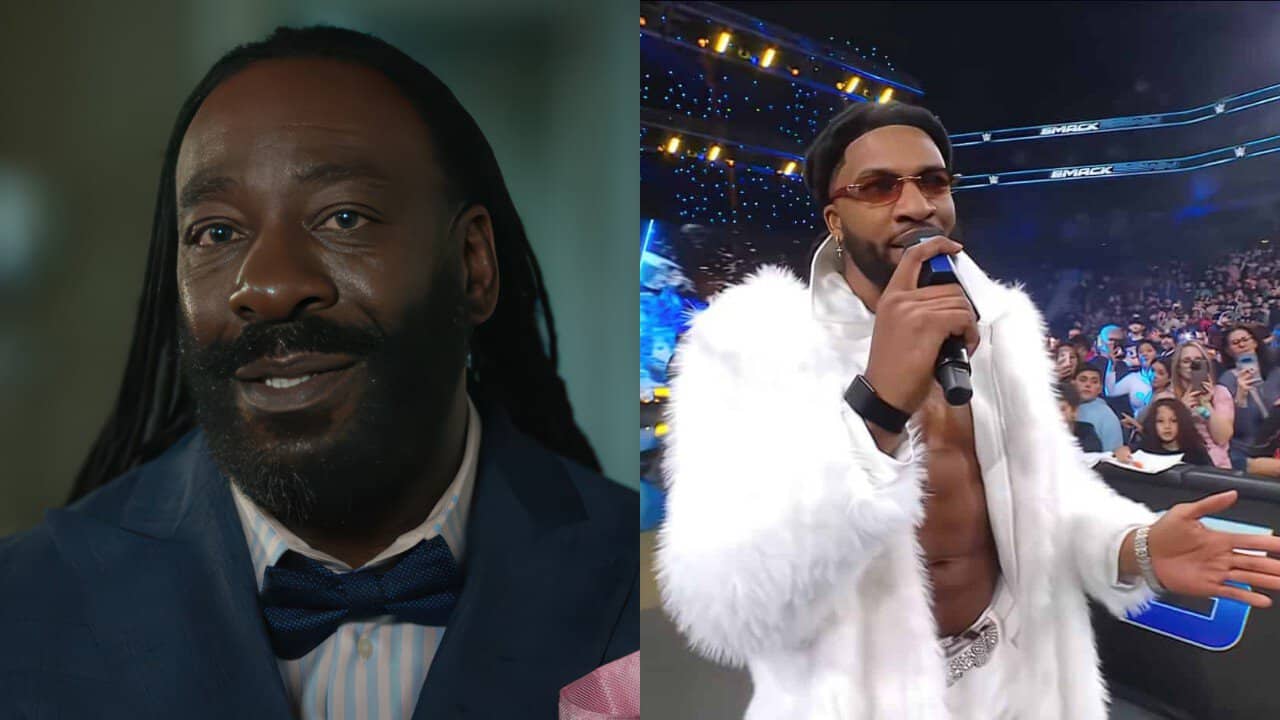
Ricochet recently spoke out against Booker's criticism, leading to a public back-and-forth between the two. Ricochet defends finisher spam by highlighting the evolution of athleticism. Booker has largely shrugged off the pushback, standing his ground on the need for better pacing. This tension between a legend and a high-flyer makes for compelling industry discourse.
6. The WWE Narrative Needs
Booker often reminds fans that wrestling is ultimately about the finish of the story. He is frequently frustrated by matches that look spectacular but provide zero emotional payoff. His critiques suggest that technical skill is secondary to meaningful character arcs. If the story does not land, he views the entire match as a waste of time.
5. Respect for Hall of Fame Peers
While he is critical of younger talent, Booker is incredibly protective of his own era. He consistently pushes for older legends to be recognized for their contributions to building the current business. This leads to friction with fans who only prioritize modern innovations. It remains a point of contention in his public broadcasts.
4. TV Production Realities
Beyond the ring, he often highlights the necessity of production value in maintaining ratings. He has been vocal about the need for better camera work and pacing during long segments. This indicates he views wrestling as entertainment first and a sport second. He rarely gives a pass to sloppy television presentation.
3. The Part-Timer Dilemma
Booker T walks a hypocritical tightrope regarding part-time superstars. He defends massive names but often scolds smaller workers for taking outside booking dates. It is an opinion that irritates independent wrestling supporters who value consistency. He insists that loyalty to one brand pays off in the long run.
2. High Expectations for NXT
He remains a vocal supporter of the developmental process but demands perfection from the roster. Booker believes that if you are on television, you should already be a polished product. This sets an incredibly high bar for talent just starting their careers on national broadcasts. Some might suggest his standards are unrealistic for beginners.
1. The Value of the Promo
The number one priority for Booker T is always the microphone work. He argues that no amount of athleticism can save a wrestler who cannot sell themselves to the audience. He constantly ranks performers based on their ability to command a crowd before a single lock-up occurs. To him, the talk is where the real money is made in the industry.
Honorable Mentions
Booker's ongoing commentary regarding the shift in tag team psychology remains noteworthy. He has also expressed skepticism about the rise of intergender matches. Despite his tenure, he shows no sign of softening his stance on what makes a professional wrestler successful in the modern era.