The Big Picture
The wrestling calendar is shifting rapidly as Vice TV prepares to premiere its three-part TNA documentary series on July 7, 2026. The upcoming episodes have already triggered a wave of public score-settling, from Missy Hyatt's social media broadsides to Jeff Jarrett's blunt criticisms of the Hulk Hogan era. With former president Dixie Carter refusing to participate, the wrestling world is forced to look back at the chaotic decisions that defined TNA's turbulent history.
The Top 10 Darkest Decisions in TNA History
10. The Naming Near-Miss
Before Vice TV built a documentary juggernaut that has lasted for 7 seasons, the network's internal producers almost branded it with a title that sounded like a medical condition. Co-creator Evan Husney recently revealed on Chris Jericho's podcast that a producer threatened to call the show "Ring of Pain" unless they came up with something better. Husney shot the idea down by comparing the name to hemorrhoids, and his mother eventually saved the show's identity by suggesting Dark Side of the Ring. This ranks at the bottom of the list because it was a corporate near-miss rather than an on-screen booking disaster. Still, it shows how close Vice came to launching a legendary franchise under a generic, low-rent banner.
9. Burning the New Japan Bridge with Kazuchika Okada
TNA had one of the greatest wrestlers in modern history under their roof and managed to turn him into a masked chauffeur. Kazuchika Okada’s run as "Okato"—a sidekick to Samoa Joe inspired by The Green Hornet—remains a historic embarrassment for American booking. Missy Hyatt pointed out that TNA should have utilized their international relationships with NJPW instead of wasting generational talent on comedy. This ranks ahead of the show's naming issues because it actively fractured TNA’s relationship with New Japan Pro-Wrestling, a bridge that took years to rebuild. It is the ultimate warning sign of a creative team completely blind to international talent.
8. Booking Empty Arenas on the Road
The urge to look like WWE drove TNA to make financial decisions that their ticket sales could not support. Missy Hyatt recently criticized the company's decision to go live and book large venues when TNA was already struggling to draw a crowd on the road. Instead of filming in intimate, high-energy settings, the company exposed its dwindling audience by broadcasting in front of thousands of empty seats. This ranks at number eight because the financial bleeding directly limited what the company could pay its core roster. Trying to run before you can walk is a classic wrestling mistake, and TNA signed the check.
7. Dixie Carter's Vice TV Boycott
As Vice TV prepares to launch its TNA documentary series, which premieres on July 7, 2026, the company's former president is nowhere to be found. Dixie Carter turned down multiple invitations to be interviewed for the series, leaving a massive gap in the narrative. Missy Hyatt blasted the decision online, arguing that Carter had plenty of creative and financial blunders to answer for. This ranks at number seven because Carter’s silence robs the documentary of the chief decision-maker's perspective during the company's most volatile years. Running a major promotion requires accountability, and skipping the interview looks like a defensive retreat.
6. Leaning Into Outdated Crash TV
TNA had the roster to build a workrate-heavy alternative to WWE but chose to chase cheap, short-term shocks instead. Missy Hyatt argued that the promotion should have taken inspiration from UFC countdown specials and focused on episodic, long-term storytelling. Instead, the creative team leaned into chaotic segments and constant title changes that left fans exhausted. This ranks at number six because the lack of narrative focus burned out hardcore fans. When every week is a swerve, nothing actually matters.
5. Burying Homegrown Pillars for WWE Castoffs
The foundation of TNA was built on AJ Styles, Samoa Joe, the Motor City Machine Guns, and Abyss. Yet, whenever a former WWE talent became available, the office immediately pushed the homegrown franchise players down the card. Hyatt argued that while a talent like Kurt Angle upgraded the brand, the company made a mistake by hiring every WWE castoff and putting them over native stars. This ranks at number five because it destroyed the locker room's morale and signaled to the fans that TNA's own talent was second-class. It is why TNA never established its own unique stardom.
4. Hulk Hogan's Financial Drain and Roster Pay Cuts
Hulk Hogan's arrival in 2010 was supposed to launch TNA into the mainstream, but it ended up costing the roster their livelihoods. Missy Hyatt raised the critical question of whether Hogan's short-term attention was worth forcing other wrestlers to take pay cuts when he could not even compete in the ring. The financial strain of paying Hogan's massive salary hobbled the company's budget, leading to roster departures and cheap production values. This ranks higher than general WWE castoffs because it represents a direct, measurable financial hit to the performers who built the company. Sacrificing your daily performers for a nostalgia act is bad business, plain and simple.
3. The Cover-Up of the Karen and Jeff Jarrett Relationship
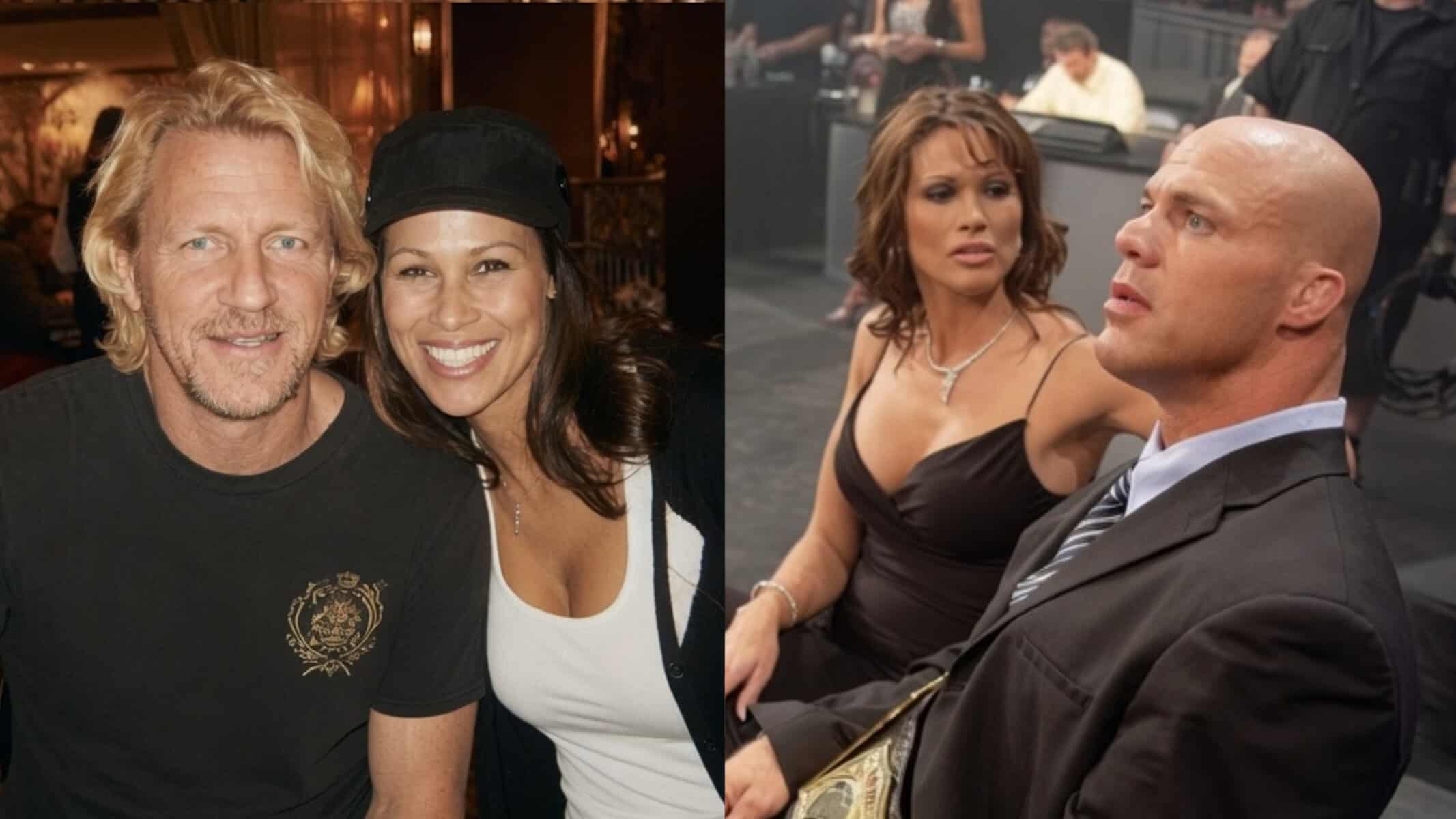
The personal drama behind the scenes of TNA often eclipsed anything happening in the ring. A recently released advance footage clip features Karen Jarrett revealing that she and Kurt Angle were legally separated as early as 2006, long before the public found out. Karen describes the intense pressure of maintaining a "perfect couple" image on TNA television while she was secretly living in a separate townhome. This ranks at number three because the eventual exposure of her relationship with Jeff Jarrett forced Jeff out of the company he founded and fractured the locker room. It proved that TNA's leadership was operating in a state of personal chaos that made professional management impossible.
2. Kurt Angle's Physical and Addiction Battles
During his peak years in TNA, Kurt Angle was putting on intense matches while battling severe physical pain and addiction. In the Vice TV advance clip, Karen Jarrett details the reality of living with Angle during this era as his body broke down. Instead of forcing their top star to rest, TNA booked him in high-risk matches, ignoring his health. This ranks at number two because it highlights the dark side of pro wrestling's lack of safety nets, where a performer's health was secondary to television ratings. It is a miracle that Angle survived this period, and TNA's enabling of his condition remains a dark stain on its legacy.
1. Removing the Six-Sided Ring
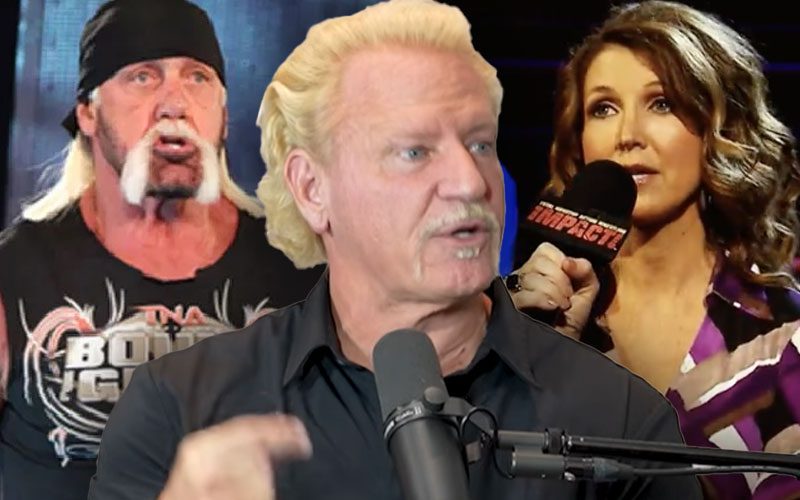
The six-sided ring was TNA’s visual calling card and the easiest way to tell casual fans they were watching something different. Jeff Jarrett, who spoke with Chris Van Vliet, revealed that Hulk Hogan, Eric Bischoff, and Dixie Carter decided to bin the unique ring without even telling him directly. Jarrett recalled standing in the Impact Zone that night, hearing the crowd chant for the six-sided ring, and realizing it was the beginning of Hogan and Dixie destroying the brand. This ranks at number one because it was the ultimate symbolic death of TNA's identity. By trading their unique layout for a standard four-sided ring, the company officially became a second-rate WWE clone.
“This is just the beginning of Hogan and Dixie destroying the brand.”
The Fallout and Honorable Mentions
The upcoming TNA documentary series is already reopening old wounds, showing how a promising alternative to WWE was derailed by corporate ego and creative chaos. TNA had the talent to be a true competitor, but the leadership consistently chose short-term vanity over long-term stability.
- AAA Partnership Missteps: Despite access to AAA's top stars, TNA failed to establish a meaningful cross-promotional exchange, often using Mexican talent as one-off attractions.
- Rejecting the UFC Presentation Style: TNA chose outdated soap opera theatrics over the realistic, sport-centric presentation that made UFC a massive crossover success in the late 2000s.