The Big Picture
Michael Cole spent decades as the voice of WWE, surviving grueling broadcasting pressures, behind-the-scenes family crises, and impossible expectations. Replacing a legend like Jim Ross nearly broke his confidence early on, but Cole carved out an undeniable legacy as the glue holding WWE television together across multiple eras.
The Career Milestones and Untold Stories
10. The 2,000-Foot Rock Climbing Accident
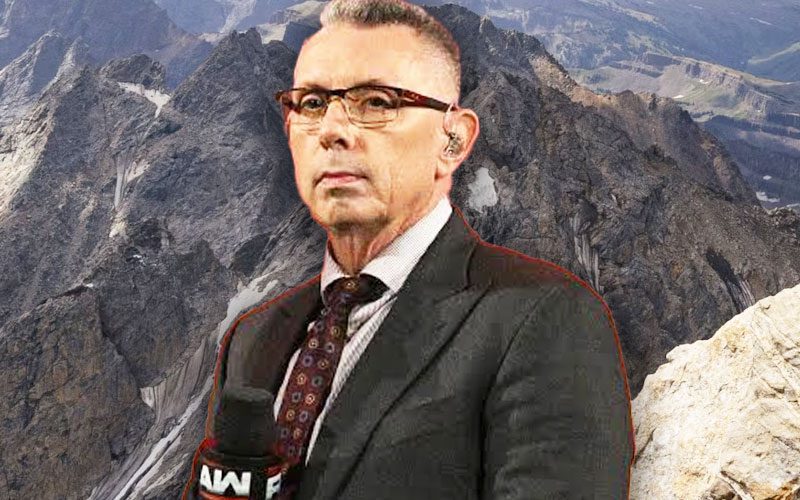
Before he ever stepped into a broadcast booth to call main events, Cole nearly lost his life in a terrifying mountain accident. While scaling a cliffside, Cole slid down a sheer face and came within inches of falling 2,000 feet to his death. That near-fatal drop put real-world stakes into perspective for Cole long before he ever had Vince McMahon barking orders into his headset during live television.
9. The Early Career Family Medical Crisis
Early in Cole's WWE tenure, personal tragedy struck behind closed doors while he was trying to build a career on the road. Cole opened up about a harrowing medical crisis involving his wife, recalling how she was literally withering away as doctors struggled to find answers. Juggling non-stop travel demands while watching his spouse battle a life-threatening illness defined the emotional resilience Cole carried throughout his broadcast career.
8. Turning Jim Ross Heel: 'The Worst Storyline Ever Attempted'
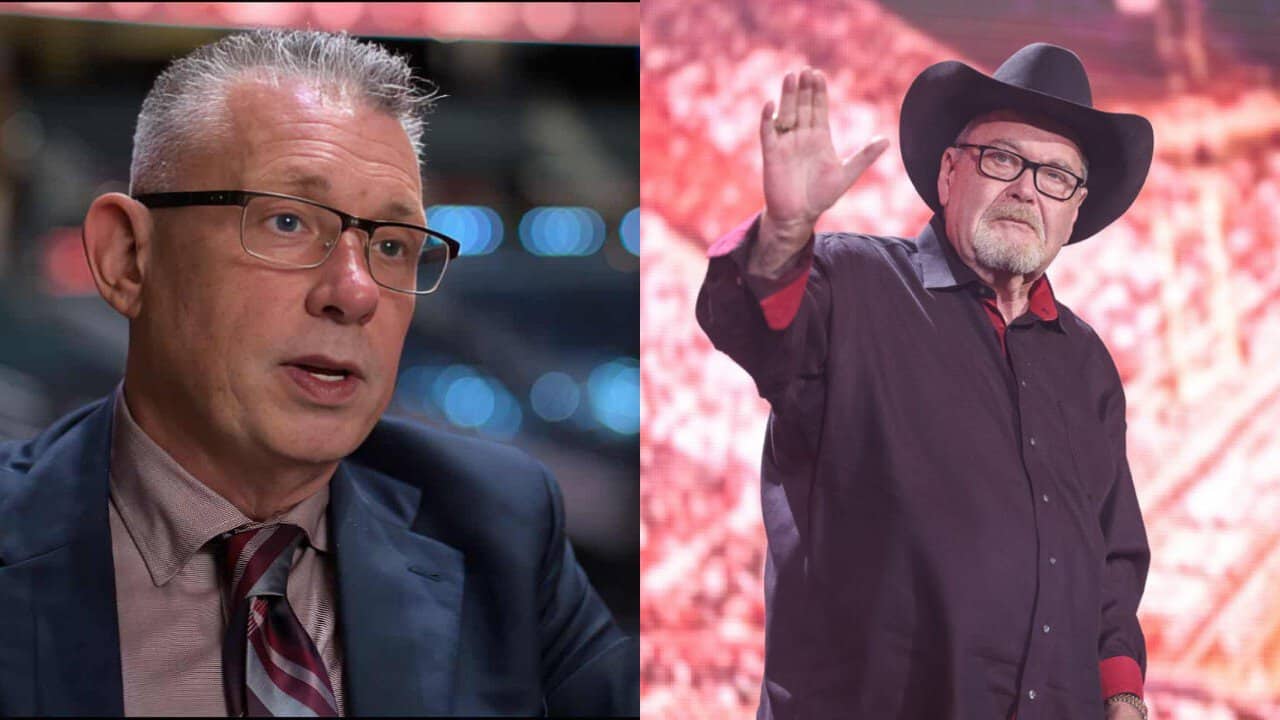
Back in 1999, WWE creative made the baffling decision to turn beloved voice Jim Ross heel and align him with Cole as his mouthpiece. Cole didn't mince words when reflecting on the angle, flatly calling it the worst storyline ever attempted in WWE history. The audience rejected the premise immediately, forcing management to abort the trainwreck before it permanently damaged Ross's standing with fans.
7. Riding with JBL and Ron Simmons
Breaking into the locker room culture required survival skills, and Cole found his protection crew in the APA. Riding on the road with JBL and Ron Simmons shaped his life in WWE, providing him with thick skin and a crash course in pro wrestling etiquette. The pair looked after Cole on long drives between towns, cementing a brotherhood that later translated into iconic on-screen commentary chemistry with JBL on SmackDown.
6. Taking Over the Primary Play-by-Play Desk on SmackDown
When WWE launched the brand split in 2002, Cole was handed the reins of SmackDown alongside Tazz. It marked his first real opportunity to step out from behind the shadow of Monday Night Raw and build a distinct broadcast identity. Though critics initially dismissed him as a corporate fill-in, Cole's work rate during SmackDown's golden era proved he could anchor a broadcast on his own terms.
5. The Brutal Pressure of Following Jim Ross
Replacing Jim Ross was never just a job assignment — it was a daily mental beatdown. Cole admitted that the struggle of following Jim Ross's commentary style nearly broke his confidence behind the desk. Every call was scrutinized by fans who demanded JR's southern cadence, forcing Cole to endure years of fan backlash before finally earning respect as WWE's top voice.
4. His Heeled Commentary Era and WrestleMania 27 Match
In 2010, WWE leaned into fan resentment by turning Cole into an insufferable, anonymous GM-touting antagonist. The run culminated in an agonizing 14-minute match against Jerry Lawler at WrestleMania 27 that drew scathing reviews from fans and critics alike. While the match itself was a misfire, Cole's willingness to absorb heat proved his commitment to whatever bizarre direction creative handed him.
3. Calling the Action Live During the Over the Edge 1999 Tragedy
Broadcast professionals are rarely tested like Cole was on May 23, 1999, following the tragic fall of Owen Hart. Tasked with reporting live updates to millions of viewers at home alongside Jim Ross, Cole delivered grim news with absolute composure and dignity. It remains one of the most agonizing live broadcasts in sports television history, showing Cole's steady hand during unprecedented heartbreak.
2. Transitioning into the Lead Voice of Monday Night Raw
When Jim Ross scaled back his full-time duties, Cole officially inherited the flagship desk on Monday Night Raw. Managing multi-person booths, corporate sponsor plugs, and rapid-fire match calls across a three-hour broadcast required staggering multi-tasking skills. Cole became the voice of an entire generation of fans, calling legendary title changes for John Cena, Roman Reigns, and Seth Rollins.
1. Earning Universal Respect in the Post-Vince McMahon Era
The ultimate turning point in Cole's career arrived when he was finally unchained from micromanagement in the broadcast booth. Free from constant headset screaming, Cole's natural storytelling abilities and deep wrestling knowledge flourished. His reinvigorated work alongside partners like Corey Graves and Pat McAfee silenced decades of detractors, cementing Michael Cole as an undisputed legend of the commentary desk.
Honorable Mentions
While missing the top 10, Cole's legendary backstage interview with The Rock where he was constantly humiliated remains iconic television. Additionally, his stoic performance calling the 2012 Lawler medical emergency on live TV highlighted his rare professionalism under extreme duress.