The Evolution of In-Ring Spectacle
Professional wrestling is defined by the high-stakes friction between tradition and innovation. The industry thrives when promoters experiment with spatial limitations and athletic expectation.
The Ranking of Performance Milestones
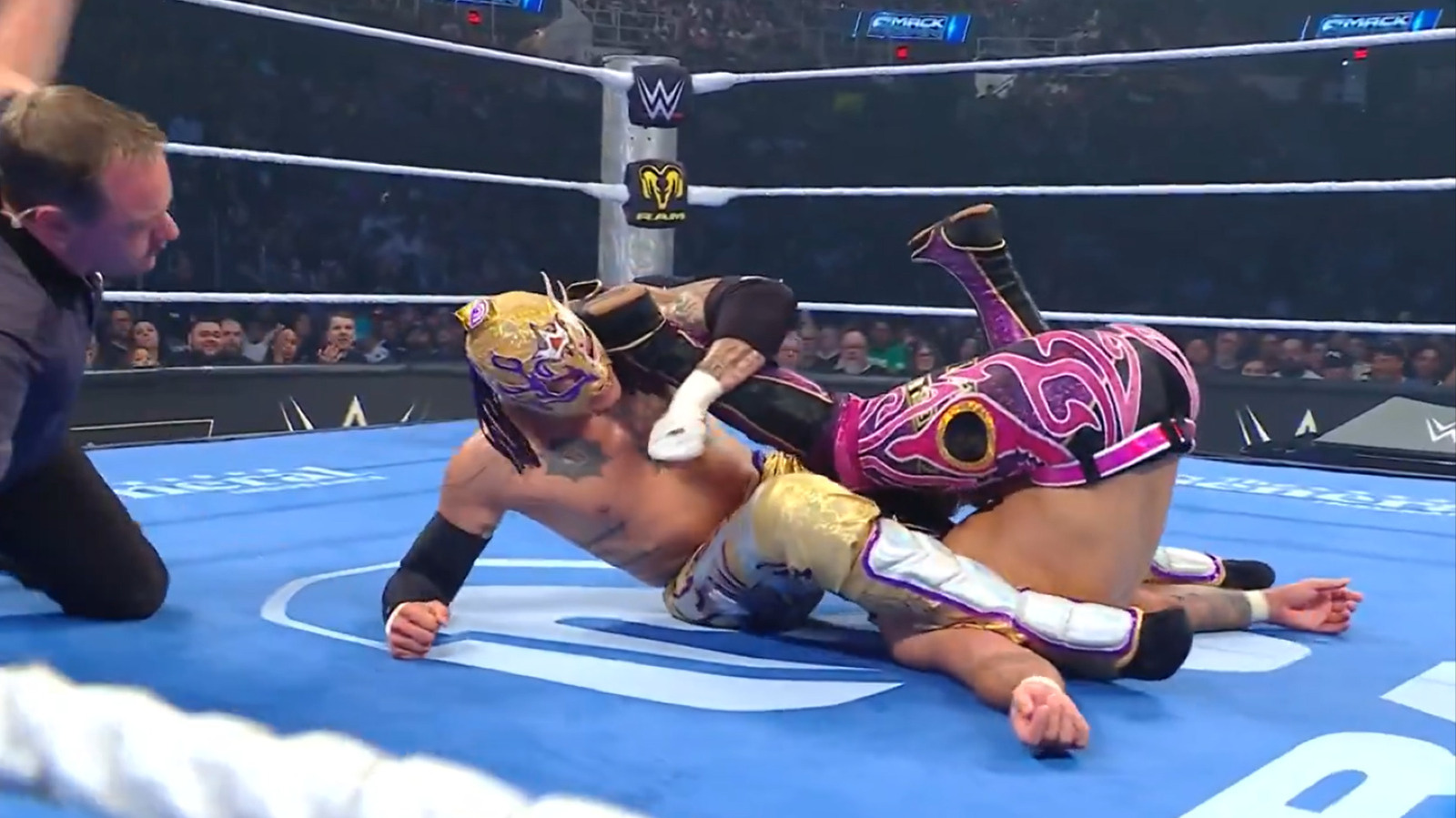
1. The introduction of the six-sided ring in AAA. This aesthetic shift fundamentally changed how luchadores utilized corner space and high-angle attacks. Penta recently noted that he supports the return of this specific ring geometry in broader promotions because it forces wrestlers to rethink movement trajectories. It ranks first for sheer visual impact on the product.
2. The 2024 unification of the heavyweight belts. This decision solidified a singular hierarchy after years of disputed lineage. While some critics argue it thinned the championship pipeline, the resulting scarcity increased the value of every main event slot. It remains the most consequential booking move of the last 24 months.
3. The integration of high-definition camera tracking for fast-paced sequences. By capturing footwork from ground level, production teams highlight technical transitions that previously blurred into the mat. This technical upgrade made amateur-style mat wrestling look as explosive as aerial maneuvers. It is the cleanest production change in a decade.
4. The move toward longer, marathon title reigns. Fans initially reacted with fatigue, but the trend forced a deeper layer of storytelling during the middle-card segments of weekly television. It prevents the championship from feeling like a hot potato, even if the creative occasionally stalls. Execution has been uneven, but the intent was clearly strategic.
5. The return of the high-stakes cage match with escape rules limited to pinfall. Taking away the door dash requirement forced wrestlers to work more physical finishes inside the enclosure. The change prioritized trauma over athletic stalling, yielding much more convincing results. It is the best way to settle long-standing feuds without disqualifications.
6. The rise of cross-promotional forbidden door events. While logistically difficult, these showcases allow talent to test archetypes against unfamiliar styles. The downside is the lack of long-term continuity for participants who immediately return to their parent companies. It works best as an annual exhibition rather than an ongoing partnership model.
7. The implementation of strict time limits on weekly television bouts. This forces an urgency that was missing during the filler-heavy era of 2018-2020. The 20-minute limit is the sweet spot for maintaining intensity without exhausting the audience. Watching wrestlers struggle to beat the clock creates a tension that is difficult to manufacture via promos.
8. The professionalization of refereeing as a plot device. Rather than being invisible, officials now have distinct personas and occasional lapses in judgment. While some prefer pure sports simulation, the added frustration of a biased or distracted referee adds legitimate heat to heel characters. It is a necessary evil for managing chaotic segments.
9. The shift toward smaller, more agile performers in heavyweight divisions. Modern wrestling has abandoned the requirement for 260-pound frames in favor of explosive agility. This transition has resulted in fewer injuries related to joint strain and significantly more complex pacing. It is simply a smarter way to book for the current health of the roster.
10. The revival of faction-based warfare. Organizing rosters into squads clarifies the betting lines and potential interference angles for every match on the card. The reliance on stable warfare can feel repetitive, but it provides a clear reason for secondary feuds. It anchors the mid-card talent to the main event acts effectively.
The Big Picture
Modern wrestling is moving away from the circus style of the 1990s and toward a more efficient, high-tempo product. While organizations like WWE continue to refine their internal structure, the influence of international styles—like the hexagonal ring setups discussed by Penta—shows that the future lies in re-evaluating the physical environment of combat. Every promoter is currently chasing a balance between safety and visual intensity.
Honorable Mentions
The push for standardized safety mats and the increased transparency in match results are clearly benefiting the internal health of these locker rooms. Despite these gains, the industry still struggles with over-booking non-finish spots that waste time on the card. Looking ahead, the focus must remain on tightening the pacing during the final 15 minutes of any major broadcast to ensure audience retention.