The benchmarks of excellence
Modern wrestling is defined by high-stakes pivots, sudden absences, and the inevitable return. The list below cuts through the noise to identify the moments that shook the foundations of the industry since 2024.
The Ranking
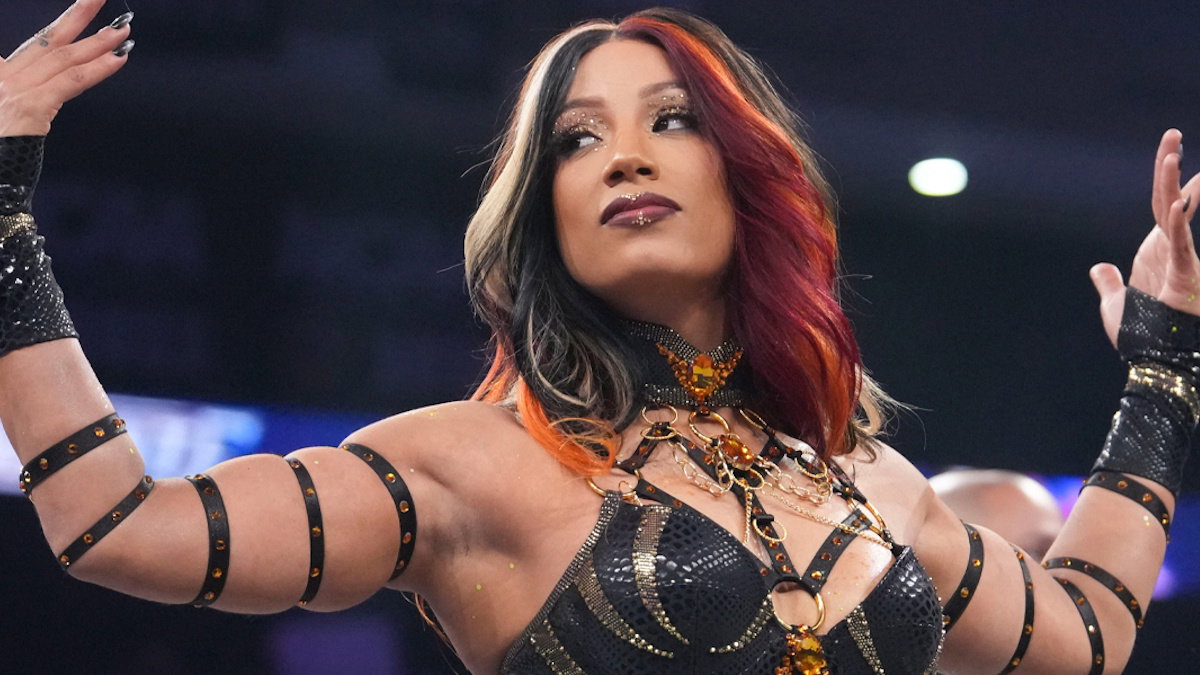
1. Mercedes Moné returns to AEW (June 3, 2026). This moment ranks top because it ended months of fan frustration regarding her December 2025 disappearance. Moné addressed the rampant noise surrounding her name, stating, “Can I enjoy my time off without speculation and rumors?” as reported by WrestleTalk. Her immediate impact on the Dynamite main event justified the booking uncertainty.
2. Cody Rhodes finishes the story. The culmination of the years-long narrative arc provided a necessary catharsis for fans exhausted by the Bloodline dominance. While some argue the match pacing was too slow, the sheer emotional gravity at ringside secured its status as a historical anchor. It stands above others because it moved the chess pieces for the entire industry.
3. CM Punk’s return to WWE. The landscape shifted instantly when he appeared in Chicago. The uncertainty surrounding his locker room tenure remains a point of friction, but the initial pop remains the loudest sound in wrestling this decade. It ranks third because the reality never lived up to the fantasy booking.
4. The dissolution of the Bloodline. This story lasted far longer than most creative cycles, leading to a dip in quality that frustrated viewers by late 2025. Still, the fracturing of the faction provided the best character work of the era. It ranks fourth for its sheer longevity despite the repetitive pay-per-view main events.
5. Will Ospreay signs with AEW. This wasn't just a signing; it was a loud declaration that top-tier talent values different creative environments. He brought a level of work rate that forced opponents to elevate their own conditioning. He ranks fifth because he is still working to convert that hype into consistent television ratings.
6. Rhea Ripley’s ascent to dominance. Holding the title for over a year turned her into the most reliable draw in the women’s division. She turned mid-card filler into appointment viewing. She ranks sixth because her injury setbacks prevented her from reaching the top three spots.
7. The AEW-NJPW Forbidden Door debut. The first crossover event shattered the concept of promotion-exclusive rosters. It proved that collaborative booking is possible, even if the logistics were initially chaotic. It ranks seventh because the novelty has worn off, making it less influential today than it was in its inaugural year.
8. Kazuchika Okada jumps to the west. Seeing the Rainmaker in American rings felt impossible for years. The transition to the AEW style resulted in some clunky matches, proving that legendary status doesn't guarantee instant chemistry with a new roster. He ranks eighth due to the inconsistent delivery of his early 2026 bouts.
9. The return of the WarGames match. While nostalgic, the reliance on older match types highlights a lack of original creative ideas in the current cycle. It serves as a visual spectacle but often lacks the psychological depth of a simple one-on-one rivalry. It ranks ninth for being a band-aid solution to booking gaps.
10. The rise of the independent streaming era. This shift changed how fans consume content, often favoring niche shows over weekly cable products. It is the most important business movement here, even if it lacks the flash of a character return. It ranks tenth because the quality control remains wildly inconsistent across the board.
The Big Picture
These moments define the current era by contrasting massive corporate acquisition with deeply personal character returns. While the booking often fails to maintain momentum, these ten points provide the reference markers for every conversation had in the locker room today.
Honorable Mentions
- Bryan Danielson’s retirement tour: High effort, but the build-up suffered from poor television timing.
- The debut of the NXT developmental overhaul: Necessary for future growth but hasn't yet produced a generational star.
- The revival of the Intercontinental Title stakes: Brought prestige back to the mid-card, though it remains secondary to the world titles.