The Big Picture
The wrestling industry is currently in a state of hyper-velocity flux. With talent roaming freely across major promotions, the moments that define the first half of 2026 are built on sudden releases and aggressive bidding wars.
The Rankings
10. The Myla Grace Fallout
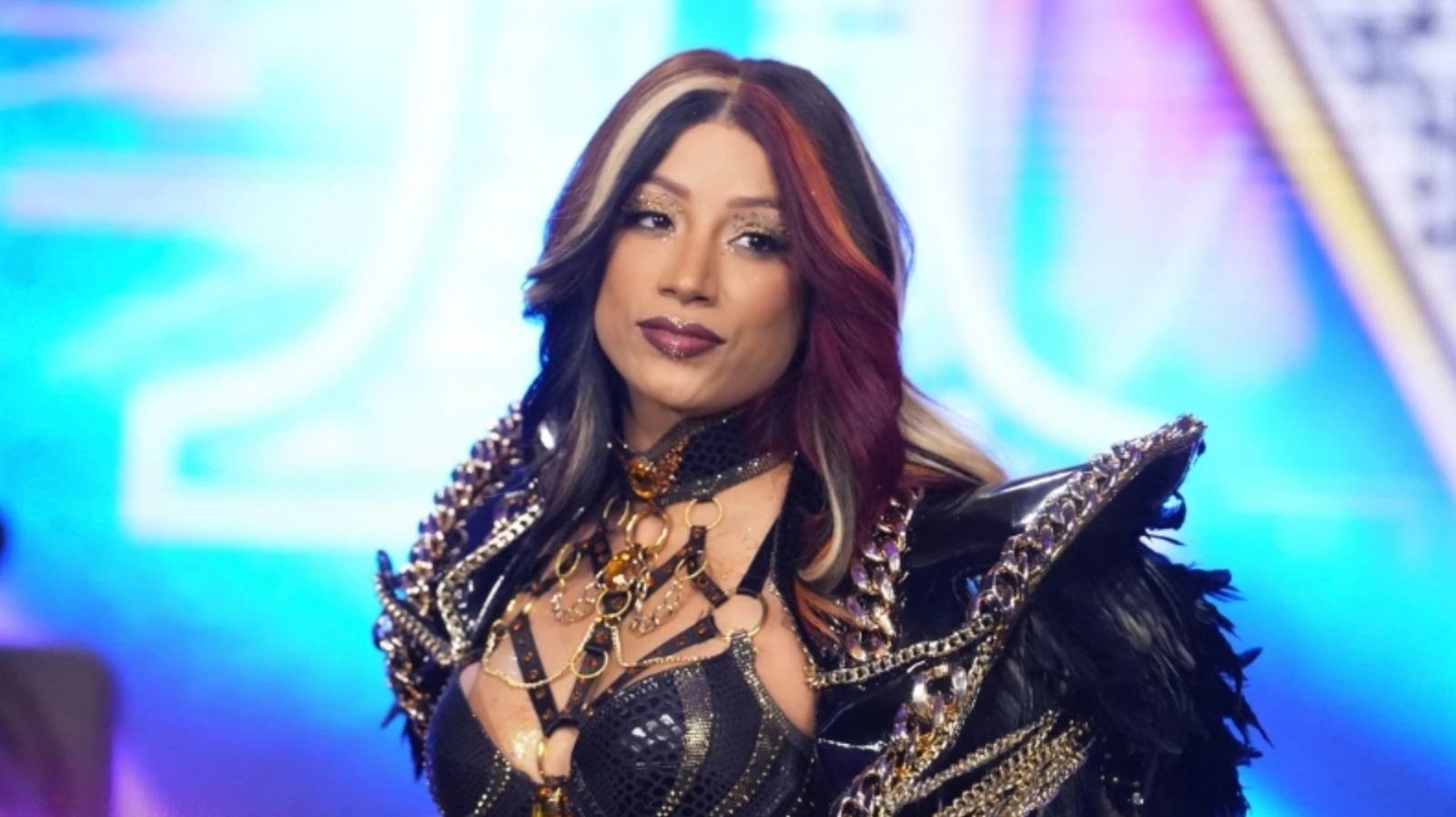
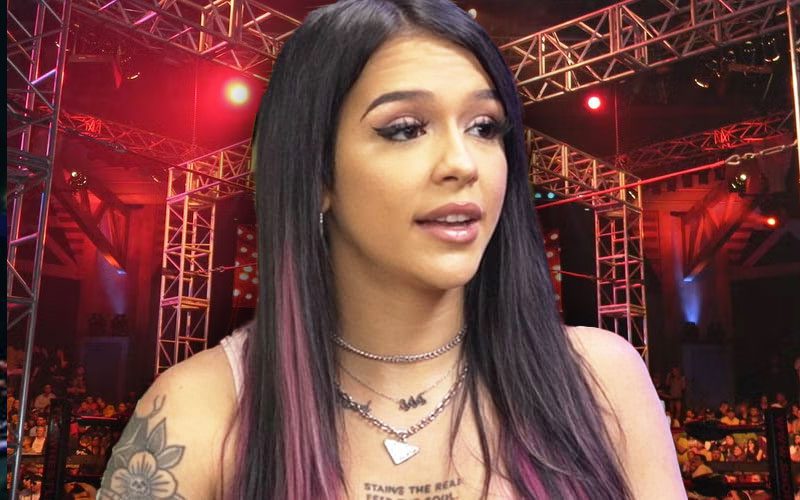
Myla Grace officially hit the open market on June 7, 2026, creating an immediate stir in the women's division hierarchy. As Ringside News reports, her departure from TNA is the latest in a string of high-profile roster cuts this year. She ranks here because the uncertainty of her next landing spot serves as a bellwether for how promotions value independent talent right now.
9. The Steve Maclin Free Agency Sweepstakes
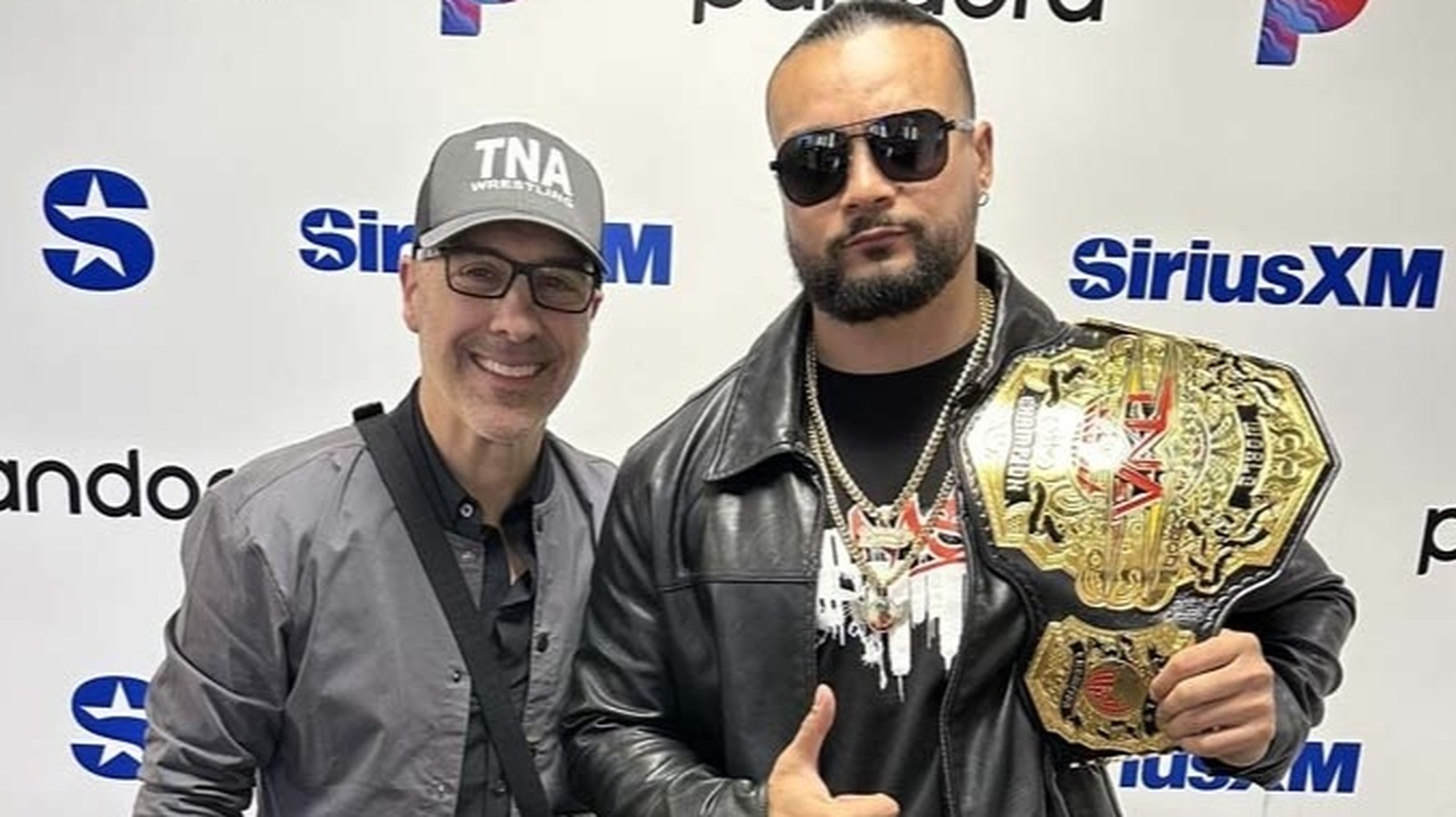
Steve Maclin entering the free agent market after his TNA exit remains one of the most significant pivots of current booking cycles. Maclin held the world title for 86 days, proving he can anchor a main event spot. However, his exit feels like a failure of management to secure a foundational talent before the clock ran out.
8. Kay Lee Ray’s Independent Return
After her April 24, 2026 release from WWE, Kay Lee Ray didn't wait for a non-compete to fade. Her immediate return at Pro Wrestling EVE proved that established stars no longer need the corporate safety net to remain relevant. This move signals a shift in power where veteran talent dictates their own pace.
7. The Mid-Season Title Vacancy
Promotions are increasingly struggling with sudden title vacancies due to injury or creative disputes. These moments disrupt long-term narratives and often lead to rushed tournament endings. It is a sign of a booking environment that lacks depth, forcing companies to scramble for credible challengers at the last minute.
6. The Arrival of the Independent Wave
The influx of talent released from TNA and WWE has created a crowded market where quality does not always equate to opportunity. Fans are getting dream matches, but the lack of long-term creative plans for these performers is glaring. It is a quantity-over-quality moment for the industry.
5. The WWE Performance Center Restructuring
Internal shifts at the WWE Performance Center have sent ripples through the developmental system. Changes in training staff and recruitment focus have led to a pivot toward athletes with shorter wrestling resumes. This is risky, as the product currently favors technical polish over raw, untamed athleticism.
4. The AEW Streaming Expansion
AEW's push into digital-first content delivery has changed how fans consume weekly episodes. The experiment is aggressive, though early numbers suggest a fragmented audience rather than a unified growth. It is a bold, albeit shaky, attempt to capture the cord-cutting demographic.
3. The Return of the Unsanctioned Match
Hardcore rules are seeing a resurgence across the indie circuit, capturing the gritty aesthetic that defined the late 90s. While nostalgia sells, the reliance on tables and chairs often covers for a lack of technical storytelling in main events. It is a crutch that bookers need to stop using during every high-stakes feud.
2. The Global Expansion Blitz
International tours are back in a big way, with major rosters hitting Japan and the UK in rapid succession. This is a massive logistical challenge that has resulted in several sub-par matches due to travel fatigue. It looks great on paper but the actual performance quality reflects the toll taken on the human bodies involved.
1. The Competitive Market Shakeup
The total number of high-tier free agents compared to available main-event slots has reached a, 12-year high as of June 2026. This dynamic forces promotions to innovate or face stagnation in ratings. It is the number one moment because it dictates every other move on this list, pressuring companies to spend budget aggressively or lose their spots in the hierarchy.
Honorable Mentions
The unexpected resurgence of tag-team wrestling in regional circuits deserves note, even if it hasn't reached the national stage. Additionally, the tightening of corporate contracts has made it nearly impossible for talent to work multiple major platforms simultaneously. These factors combined create a restrictive environment for performers who want to maximize their exposure.