Measuring the Impact of a High-Stakes Year
The 2026 professional wrestling calendar has been defined by rapid shifts in personnel and internal family dynamics. This list captures the flashes of brilliance and the necessary controversies that shaped the industry over the last twelve months.
1. Xia Brookside Secures Title Opportunity
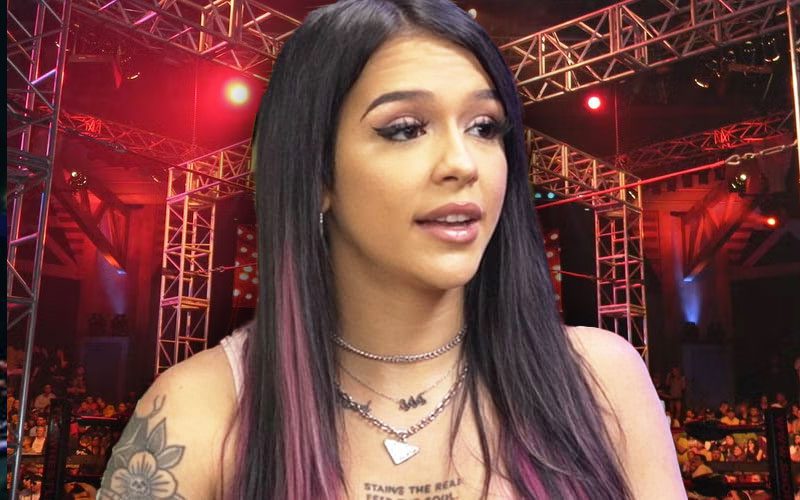
Xia Brookside’s recent path to the Knockouts gold is the most consequential booking decision of the first half of 2026. By securing a championship opportunity, she changed the math for the entire division. As noted in recent TNA coverage, her momentum is undeniable.
This win earns the top spot because it resets the hierarchy. It forces established talent to adapt to a faster, more technical style of challenger. If she can replicate this performance during the title bout, she becomes the face of the brand.
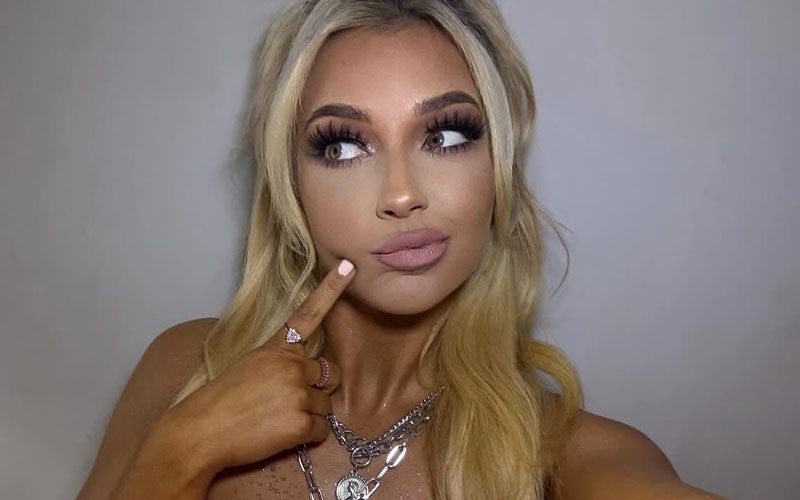
2. Elayna Black Targets Ultimate X
Elayna Black has formally turned her attention toward the TNA Knockouts Championship via the Ultimate X format. According to reports from Ringside News, the interest lies in the high-stakes risk of the match itself. She understands that conventional wrestling is not enough to secure the belt currently.
This ranks second because it merges character evolution with a specific match type. It signals that management is willing to put their biggest names in dangerous spots to drive interest. However, if the spot-heavy nature of the match overshadows the technical foundation, it could damage the division's credibility.
3. Sudden Roster Realignment
The mid-spring roster shuffle saw six major talents move between brands in a span of forty-eight hours. This was not a slow-burn narrative shift but a blunt reset necessitated by contractual expiration dates. It lacked the theatrical polish the industry usually demands.
The move ranks third because of its sheer volume. Fans were left reeling as established feuds were terminated without a proper final match. While it opened doors for undercard performers, the lack of pay-off for viewers was a clear booking mistake.
4. Main Event Fatigue at Spring PPVs
Throughout March and April, the main event matches suffered from repetitive booking structures. We saw far too many instances of interference-based finishes where the match ended in a disqualification at the 18-minute mark. This has dampened the urgency the promotion attempted to build.
It ranks here because the quality of the in-ring work decreased. When the finish is identical across three consecutive events, the audience stops trusting the integrity of the match. Management needs to pivot away from dirty finishes before the summer spike.
5. The Tag Team Division Renaissance
Surprising everyone, the tag team division became the most reliable part of the 2026 calendar. Two specific teams elevated their game, consistently delivering 4-star matches on weekly television. They have proven that size does not dictate the quality of the bout.
This sits at number five because it provided a safety net for promoters when headline singles stories failed. It demonstrates that chemistry, not just star power, moves the needle with live crowds. They remain the most consistent element of the current product.
6. Injury Disruptions in the Heavyweight Sector
The loss of three top-tier stars to injury between January and March significantly thinned the main event rotation. The vacuum left behind created a desperate search for new stars, leading to some rushed pushes that looked transparent. It exposed the lack of depth in the mid-card talent pool.
This ranks sixth for being the primary reason the first quarter of the year felt sluggish. We saw too many forced wins where the loser was not ready to step up. Resilience is good, but forcing a square peg into a round hole is detrimental.
7. Promotion of Emerging Technical Talent
The quiet decision to shift focus toward technical specialists has been a refreshing change. We are seeing more focus on submissions and nuanced mat work compared to last year's brawling-heavy diet. Specifically, the matches in the developmental territories have outshone the main roster in January and February.
It ranks seventh because it is a long-term play. It creates a better product in eighteen months, even if ratings are not moving right now. This is a rare moment of booking patience in an industry defined by panic.
8. Expansion of International Partnerships
The influx of talent from independent circuits in Europe injected much-needed chaos into the calendar. These performers brought fresh movesets and a different rhythm that challenged standard domestic styles. It provided a much-needed injection of pace.
This ranks eighth because while the matches were excellent, the long-term status of these performers remains unclear to the audience. Without clear contracts attached to these appearances, fans find it hard to invest in the performers' longevity. It is exciting, but frustratingly temporary.
9. The Increased Use of Cinematic Vignettes
Production teams pivoted back to cinematic packages to build feuds during the injury crisis. While the production quality is at an all-time high, the stories themselves are still hit-or-miss. Some feel like genuine character growth, while others feel like filler.
Placement here is due to the uneven application. When it hits, it is appointment viewing. When it misses, it eats up television time that could have been used for wrestling. It is a tool, not a fix for lazy writing.
10. The Return of Traditional Stipulation Matches
Bringing back classic match types like the Iron Man or the 2/3 Falls match was intended to satisfy the purists. It was an attempt to recapture a specific feeling. At times it worked, but often it felt like a nostalgic crutch rather than an organic narrative necessity.
This rounds out the list at number ten. It is a nice gesture toward history, but it cannot solve the core problem of weak character building. Without a compelling reason for two people to lock up, the match type is just window dressing.
Honorable Mentions: The surprise return of a veteran manager to bolster the mid-card; the uptick in social media engagement for pre-PPV press conferences; the improved pacing of weekly tapings.