The Shift in Momentum
Professional wrestling is currently oscillating between high-stakes developmental growth and veteran-led prestige. The industry is recalibrating as brands manage tight rosters and intense, fan-fueled internal competition.
1. Kelani Jordan’s Title Defense
Kelani Jordan securing the Women's North American Championship against Michin was a technical masterclass. She neutralized Michin’s veteran experience with a series of gravity-defying maneuvers. The pinfall arrived after a split-legged moonsault at the 14:02 mark. It solidifies Jordan as the definitive face of the division moving forward.
2. The Number One Contender Chaos
The men's and women's contendership matches showcased depth previously hidden in mid-card purgatory. Seeing new challengers emerge indicates a booking strategy focused on long-term elevation rather than short-term ratings pops. These bouts pushed the narrative forward by establishing fresh rivalries for the summer season. It is refreshing to see the creative team prioritize work-rate over established name value.
3. The Mr. NXT Showcase
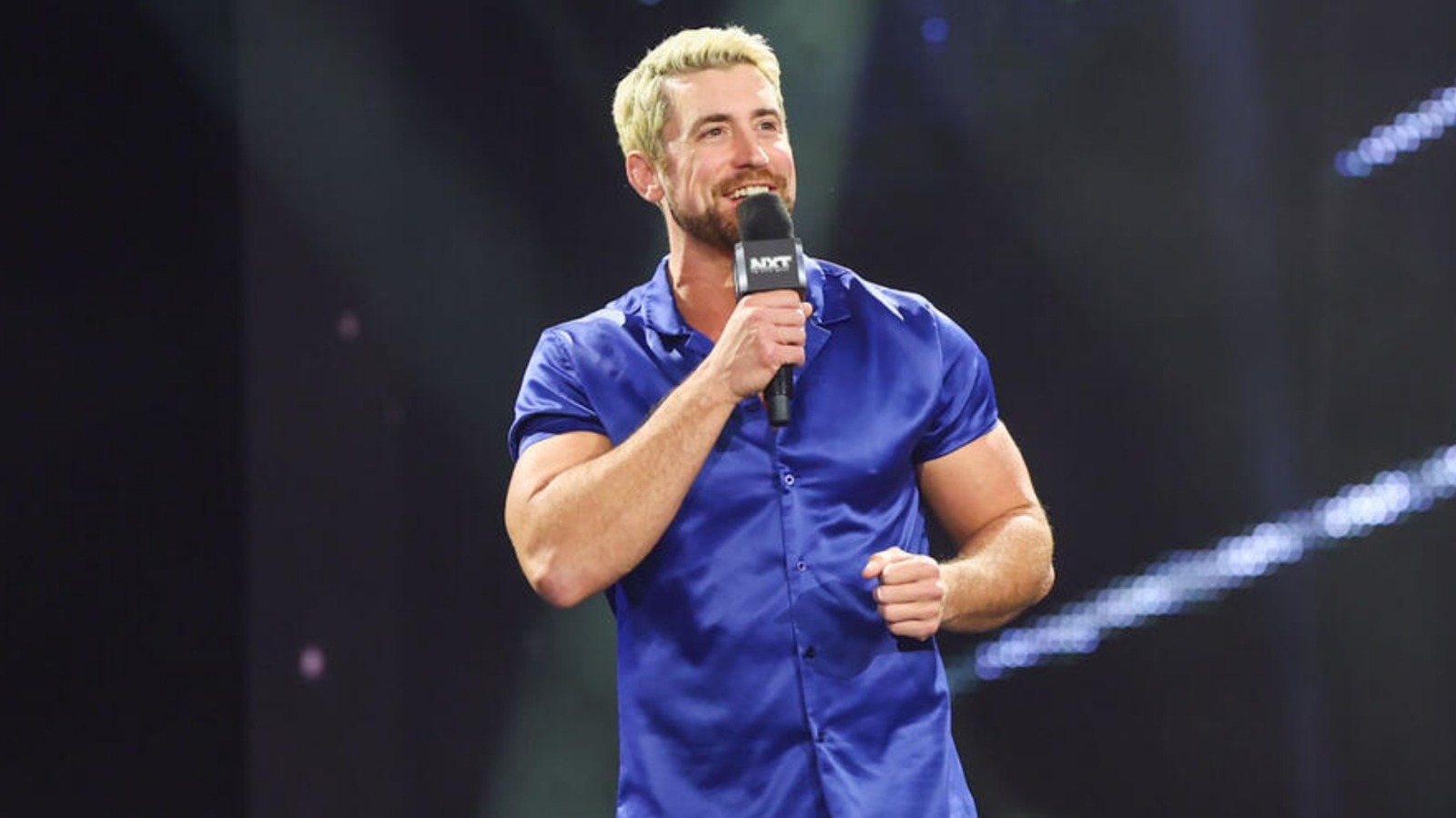
The Mr. NXT presence provided a necessary bridge between modern talent and nostalgic foundation. Watching current stars interact with established legends forces them to refine their psychology in real-time. This moment served to highlight the generational gap in execution. It remains a high-risk booking decision that often feels disjointed from the core product.
4. Michin’s Technical Grit
Despite the loss to Jordan, Michin carried the intensity of the June 9th event. Her ability to transition from stiff strikes to precise limb work keeps her relevant despite title failure. She functions as the ultimate gatekeeper. Without her work in the ring, the division feels stagnant.
5. The Tag Team Turbulence
Recent tag matches have suffered from a lack of logical synergy between partners. We have seen too many miscommunications leading to messy finishes that devalue the belts. The reliance on double-crossings has become a repetitive storytelling crutch. Fans deserve more creative variety than a tired breakdown of tag team communication.
6. Developmental Depth Charge
Talent currently working out of the Performance Center is appearing match-ready much faster than in previous years. The influx of collegiate athletes is changing the physical requirements of the average match. We are seeing less reliance on traditional spots and more on realistic grappling sequences. This trend is physically demanding but aesthetically pleasing.
7. The Mid-Show Stalling
The pacing of recent telecasts has been hampered by excessive interview segments. When the ring work is this strong, cutting to backstage office politics kills the crowd engagement. Broadcasters need to recognize that the momentum generated during a fast-paced opener is easily bled off by five minutes of talking. This is a recurring issue that slows down an otherwise blistering pace.
8. Strategic Off-Season Positioning
As the industry steers into the June 9th event cycle, brands are holding back their top-tier talent. This is a deliberate stall tactic meant to build anticipation for upcoming summer stadium shows. It frustrates viewers who want immediate gratification, but it builds the necessary anticipation for marquee events. It is a cynical play that highlights the lack of genuine long-term stars.
9. The Refusal to Pivot
Several mid-card feuds, particularly the ones relegated to the undercard, have refused to evolve. When a story hits a wall, the booking team often keeps the combatants linked in repetitive tag matches. It makes the matches feel like inventory fodder rather than important narrative steps. Change is required to avoid audience fatigue.
10. The Production Polish
The aesthetic upgrades to the broadcast have made the product feel significantly more premium. Modern cameras and better lighting hit the high-impact sequences much better than the washed-out visuals of the past. It provides a visual professionalism that matches the athleticism of the athletes. Unfortunately, the production team still over-cuts through significant high-impact moves during live replays.
Honorable Mentions
The emergence of newer, younger athletic talent in the lower rungs of the card suggests that the roster will turn over faster than expected by the end of 2026. These performers provide the necessary speed for the modern audience, even if their character work remains underdeveloped. While not every match lands, the current frequency of quality contests provides a high floor for the weekly product.