The defining moments that shaped professional wrestling
The modern era of wrestling is defined by volatility. From surprise departures to shock returns, these flashpoints altered the trajectory of major promotions overnight.
The Ranking
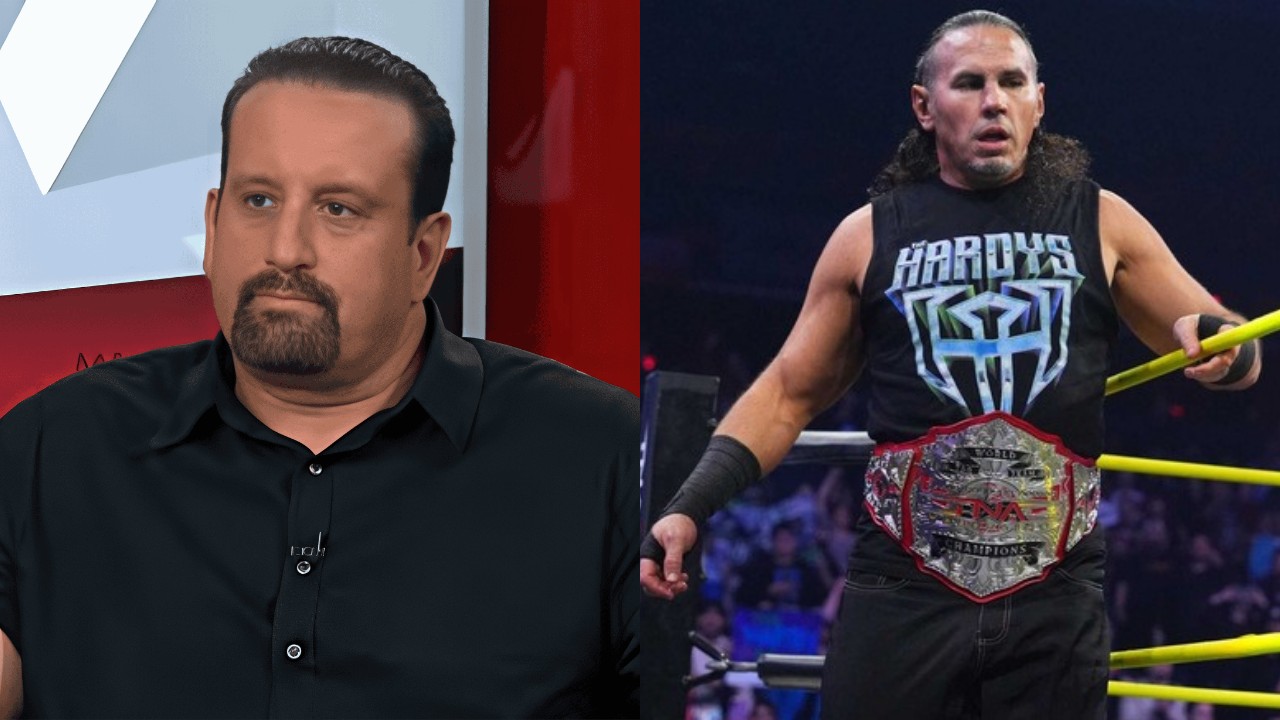
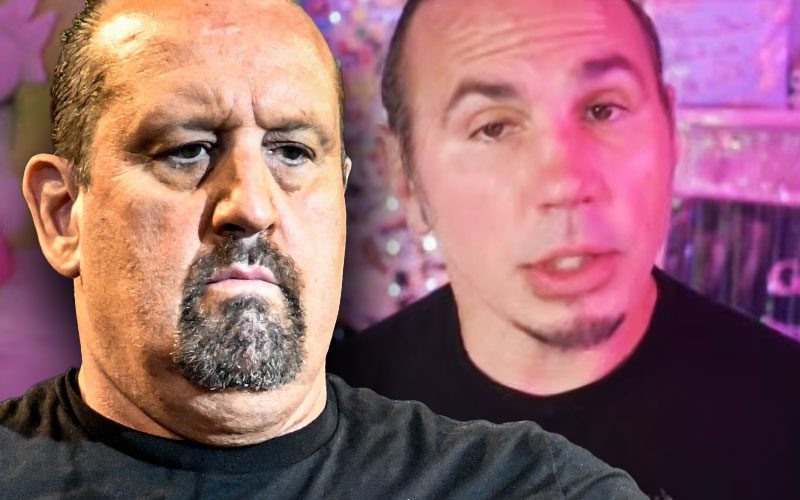
- Tommy Dreamer exits TNA. This departure creates a power vacuum as noted in recent reports on Tommy Dreamer leaving TNA. The decision leaves veteran leadership roles open and forces younger talent to carry the weight. It ranks first because of the ripple effect on production and locker room morale.
- Matt Hardy's commentary on roster shifts. Hardy has been vocal about how these changes make competitive bookings intriguing. He tracks the market like a scout assessing free agents. This insight provides a lens through which we view company stability.
- The shift in TNA booking philosophy. Without key veterans, the company has pivoted toward high-risk, high-reward matchups. It is an aggressive play that could alienate long-term fans if the quality dips. The execution remains inconsistent at best.
- Mid-card title elevation. Recent booking decisions have put belts on performers who cannot yet cut a compelling promo. This failure to curate characters ruins the prestige of secondary championships. It is a booking strategy that prioritizes size over substance.
- The rise of experimental tag teams. Promotions are throwing together mismatched pairs to see what sticks on television. Some pairings show promise, but most suffer from zero chemistry. It is a budget-focused strategy that reeks of desperation.
- Main event stagnation. Certain high-profile champions have defended their titles too infrequently during the last calendar year. Audience interest drops when the gold stays in a locker for months at a time. It ignores the fundamental law of TV ratings.
- Production value discrepancies. High-definition cameras cannot hide poor angles during chaotic brawls. Fans notice when the feed drops or when cameras miss critical finishers. It makes otherwise great performances look minor league.
- The return of long-form promos. We are finally seeing a break from 20-minute opening monologues that go nowhere. Short, punchy segments are proving more effective for viewer retention. It is a rare win for modern script supervisors.
- International talent integration. Bringing in stars from Mexico and Japan is a massive positive, yet improper translation hurts the connection. Fans need to know the backstory to care about the stakes. Without that, it is just fancy moves with no emotional weight.
- The obsession with social media heat. Too many programs are built around Twitter spats rather than in-ring storytelling. It creates a digital bubble that does not convert to ticket sales. It is an aesthetic disaster for the industry.
The Big Picture
The industry is in a state of rapid flux where veteran departures matter more than championship changes. If promotions do not stabilize their leadership, we will see deeper fracturing before the end of the year.
Honorable Mentions
The underutilization of technical specialists in favour of brawlers is a recurring nuisance. Additionally, the constant reshuffling of creative teams makes long-term storytelling impossible to maintain for more than three months. Success currently relies on lightning-in-a-bottle moments rather than consistent, week-to-week quality control. The window to fix these issues is closing, as fan apathy is noticeably rising during weekly broadcasts.