The Independent Circuit Heat
The movement of talent away from WWE remains a constant of the current wrestling cycle. These rosters are fueled by performers seeking creative reinvention or simply a paycheck that doesn't come with a restrictive non-compete clause.
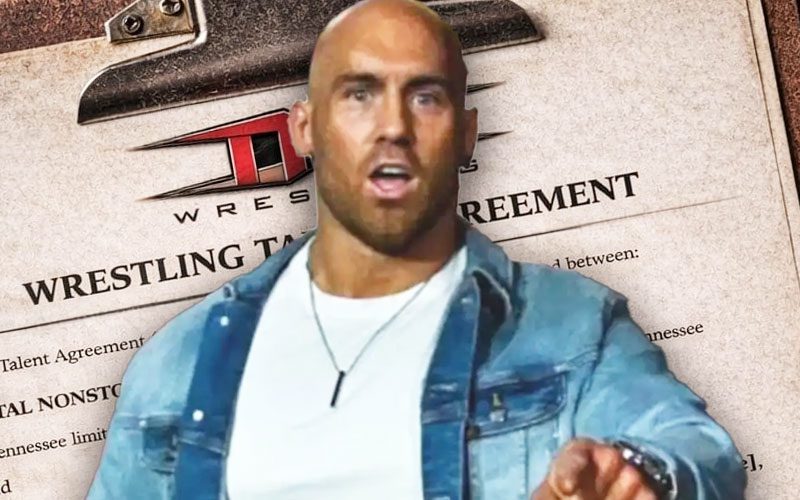
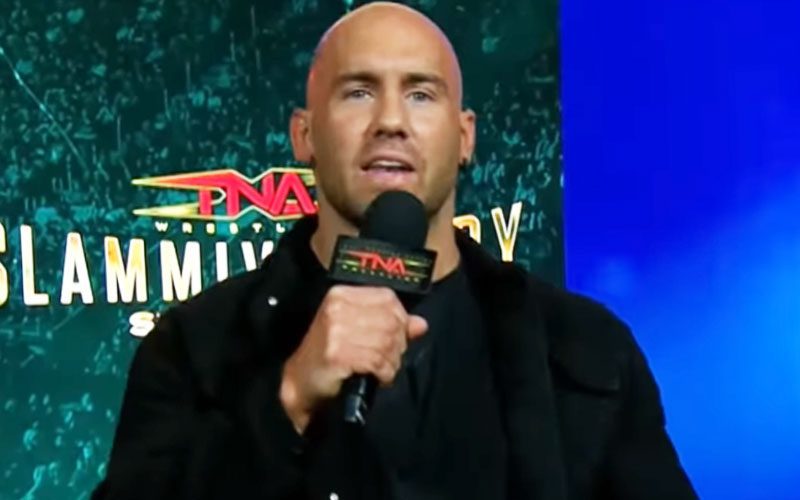
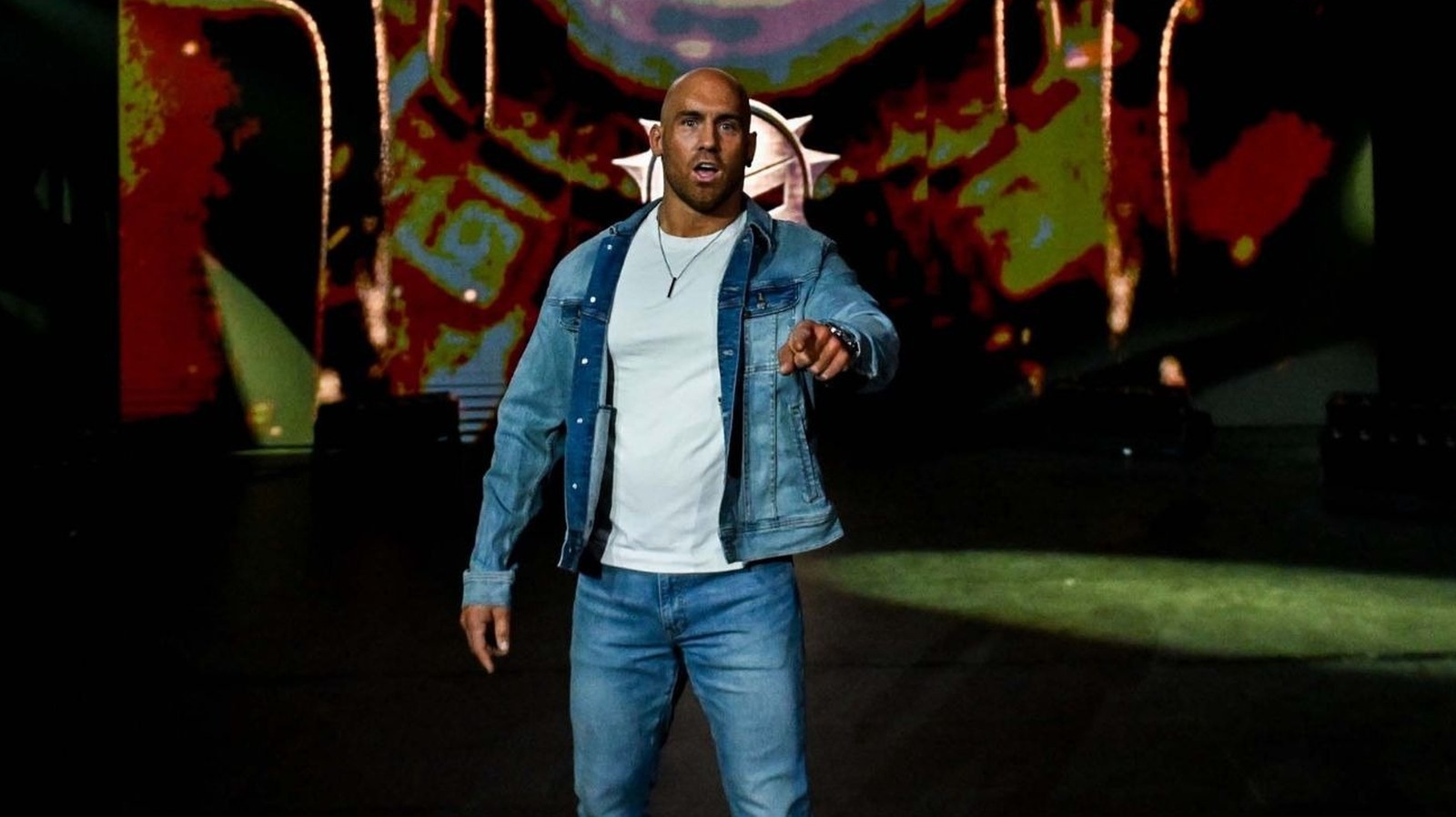
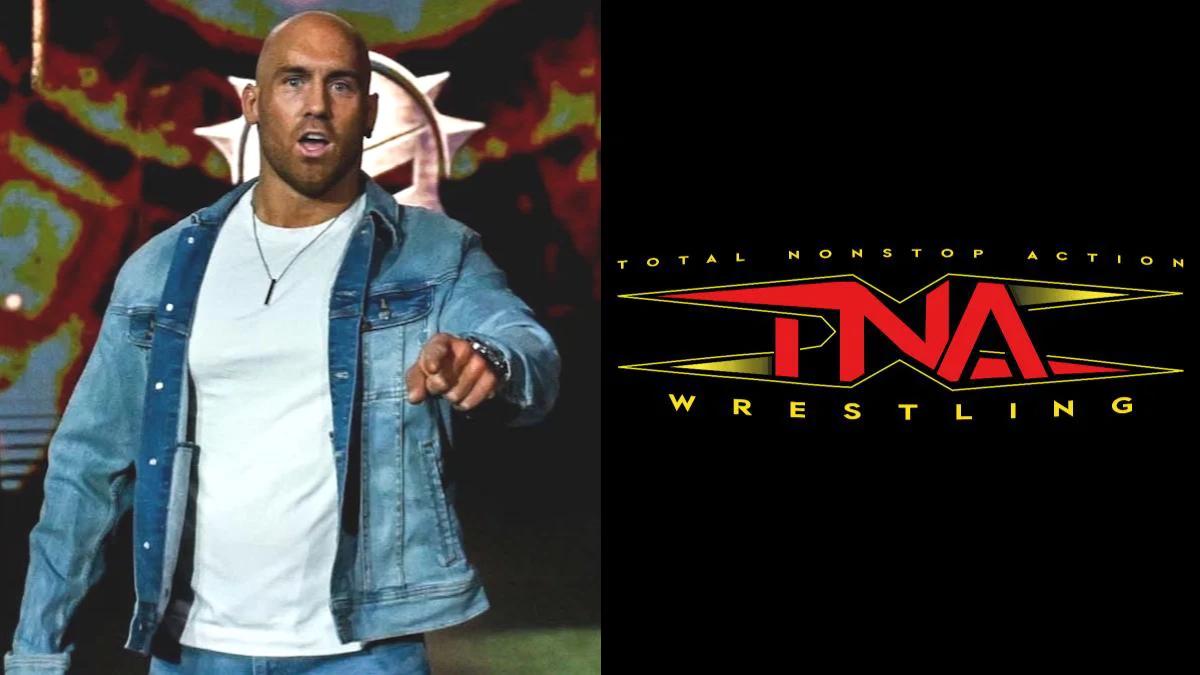
1. Fabian Aichner. The Italian powerhouse, also known as Giovanni Vinci, recently rocked the boat after his release from WWE in February 2025. He did not waste time, officially joining TNA Wrestling on May 14. His decision-making process was pragmatic, noting that things in his career outlook were simply pointing to the TNA brand. His ability to blend technical precision with raw strength makes him the most significant acquisition for the promotion this year.
2. The Free Agent Market. The landscape of available talent has turned into a waiting game. As noted by reports from industry trackers, high-profile departures are often left in limbo before finding a new permanent home. Being a free agent provides leverage but carries the risk of career stagnation if the wrestler isn't booked quickly. These unsigned veterans are currently the most dangerous variable in industry booking.
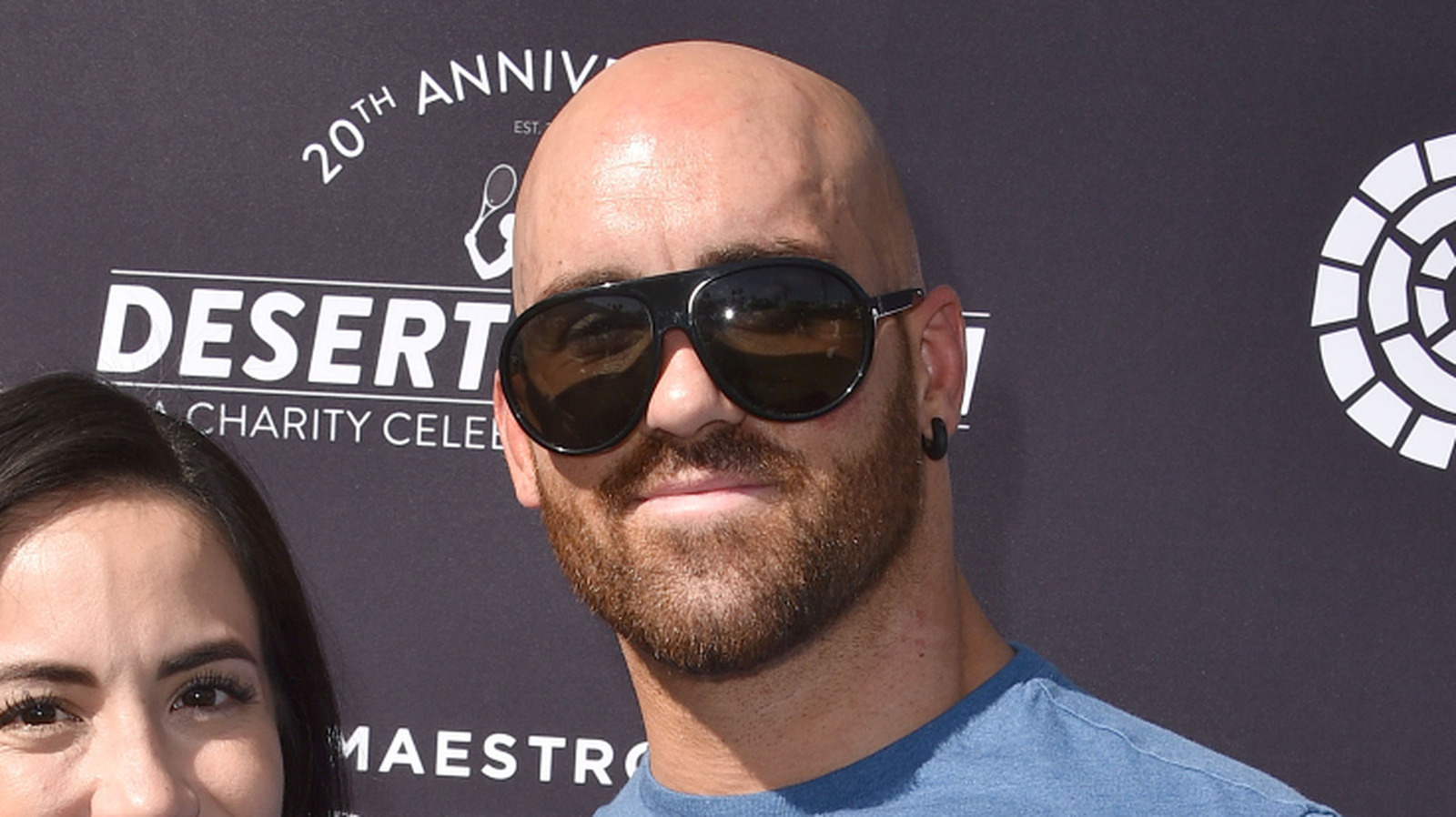
3. Curtis Axel. While his wrestling career has cooled, his name still appears in the headlines for all the wrong reasons. A recent report confirmed an arrest for DWI following a specific incident in a McDonald’s drive-thru, a detail confirmed by legal filings. It represents a sad trajectory for a third-generation talent who once held the Intercontinental title. This is the harsh reality of life after the spotlight fades.
4. The Tag Team Specialists. Former WWE tag partners dispersed in recent years now dominate independent main events. By working smaller venues, they trade the corporate production value for legitimate creative freedom. The downside is the loss of mass-market exposure, which makes their transition to household names nearly impossible.
5. The International Contingent. Foreign-born talent released by WWE often returns to their home promotions to become immediate top-tier stars. Aichner’s path is the blueprint, though few manage the technical transition as cleanly. Failure here usually means the wrestler relied too much on WWE's protective booking style.
6. The Mid-Card Journeyman. These performers occupy a space where they are too good for regional shows but not quite the 'main event' guys for major promotions. They are the backbone of touring companies. They provide the 15-minute technical clinics that keep hardcore fans satisfied on off-nights.
7. The Comeback Seekers. Every year, a veteran finds themselves in a sudden feud that revitalizes their relevance. Success hinges on finding the right gimmick that doesn't feel like a lazy rehashing of their WWE persona. Most fail, sinking back into lower tier bookings within 12 months.
8. The Surprise Indies. Former WWE names appearing on surprise indie dates drive significant ticket spikes. This is a short-term financial fix rather than a long-term strategic plan for these athletes. If they don't lock down a contract quickly, they lose their price-point value.
9. The Pivot to Coaching. Many former stars choose to stop bumping and start teaching. While it doesn't make for great headlines, it provides stability for talent who endured years of travel. Critics argue this move signals a loss of ambition, but it is often just smart personal management.
10. The Podcasters/Streamers. A growing number of former WWE performers are finding more success behind a microphone than inside a ring. It is a necessary shift for those whose bodies can no longer handle the 300-day travel schedule. While their relevance wanes as wrestlers, their influence as media personalities grows.
The Big Picture
The current state of professional wrestling outside of the industry giant remains volatile. Talent acquisition is moving at a rapid clip, and the prestige of a WWE tenure is no longer the guaranteed golden ticket it was once perceived to be.
Honorable Mentions
Names currently holding championships in various regional territories deserve acknowledgment for keeping the industry vibrant away from the major television deals. While they lack the national platform of the top 10, their work rate in empty arenas and small venues is the reason the professional wrestling industry remains alive and functioning.