The Changing Guard of 2026
The mid-year landscape of professional wrestling is defined by talent migration and shifts in television presence. While the major promotions continue to battle for ratings, the real stories are happening in the locker rooms and contract negotiations.
1. Fabian Aichner Heads to TNA
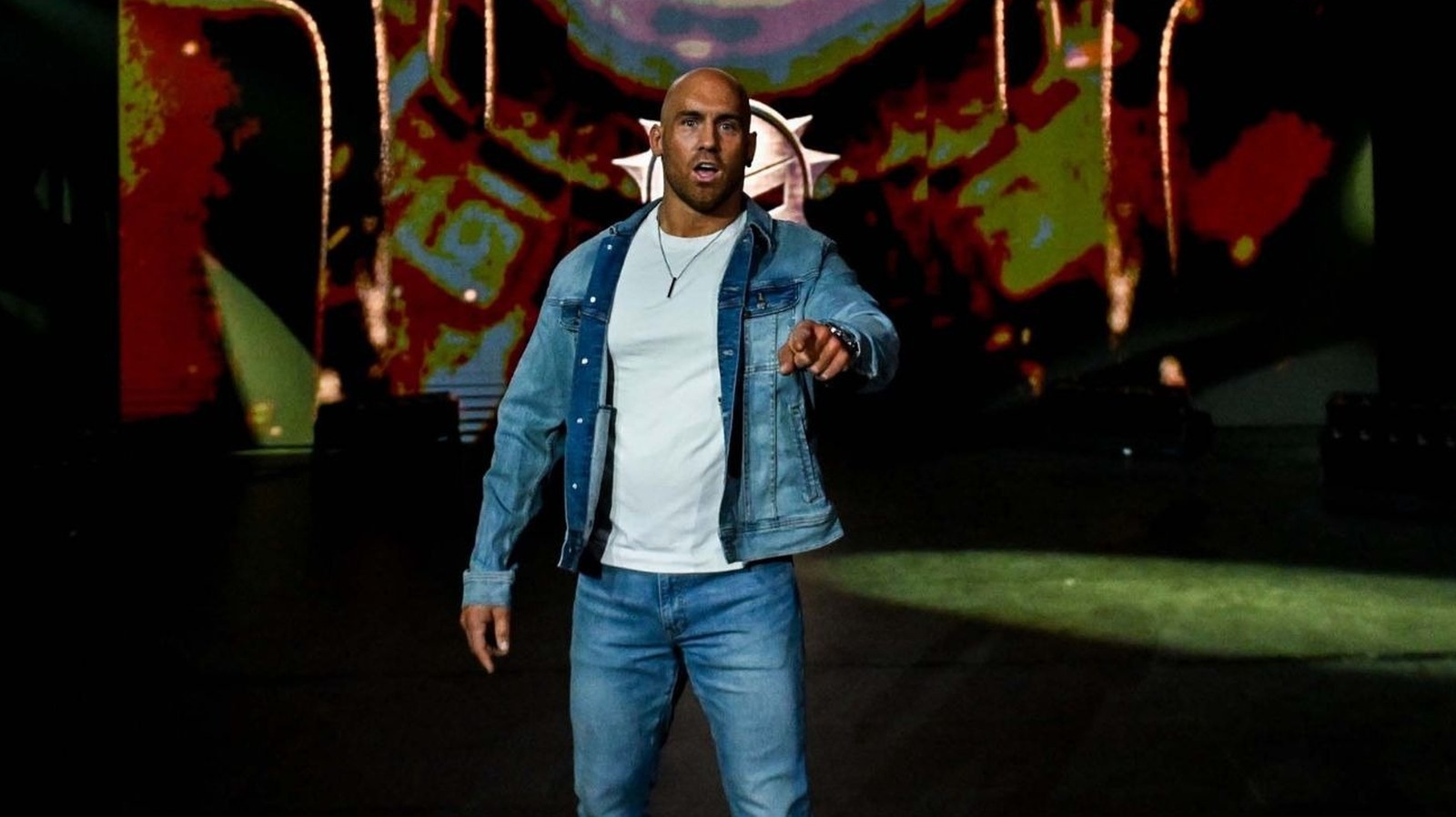
The signing of Fabian Aichner, formerly Giovanni Vinci in WWE, stands as the most disruptive move of the year. Aichner brings high-level technical pedigree and a fresh aesthetic to the TNA roster. His decision to leave the mainstream juggernaut for Nashville signals a growing trend. As Aichner explained regarding his transition, the autonomy he found outside of Connecticut was essential to his career progression. This move ranks first because it proves that WWE system graduates are intentionally choosing smaller, independent-style stages for creative satisfaction.
2. The TV Rights Auction Fallout
The expiration of major programming contracts has forced every promotion to pivot their scheduling. Networks are no longer signing blank checks, leading to a leaner, more efficient approach to storytelling. This has shifted the focus from bloated 3-hour telecasts to tighter, faster-paced weekly shows. It is a win for the viewer, though talent depth is currently suffering under tighter budget caps.
3. The Rise of the Mid-Card Gauntlet
Promoters have increasingly leaned on the 20-man gauntlet match to solve booking stalemates. By shoving everyone into one ring, they are bypassing weak feuds to reset the hierarchy quickly. It lacks grace, but it is an effective statistical tool to push a new champion by having them survive 19 eliminations. Fans are starting to see through the gimmick, however, as it has been recycled three times in four months.
4. The International Talent Recalls
Wrestling promotions have aggressively targeted international markets to fill domestic TV slots. This influx has introduced styles that contrast heavily with the slower, Americanized versions of the sport. The result is a chaotic, high-speed product that tests the durability of the performers. Injuries are climbing, and the medical staff workload has reportedly doubled since early January.
5. The Digital-Only Championship
The introduction of a belt exclusive to streaming platforms has changed how title matches are scheduled. By hosting these main events on OTT apps, networks are trying to inflate subscriber counts. It creates a secondary world of competition that feels detached from the primary television narratives. The lack of physical event presence makes these matches feel hollow, regardless of the athletic quality.
6. Shortened Entrance Sequences
Broadcasters are cutting down entrance music and lights to maximize ad-break capacity. What used to be a choreographed spectacle now lasts less than 45 seconds to accommodate an extra 30-second commercial. It is a soul-crushing change for fans who pay for the atmosphere of big-match presentations. The spectacle is dying a slow death by ad revenue.
7. The Retirement Surge
Veteran performers are exiting the fold faster than replacements are being developed. Over twelve major stars have hung up their boots since January 2026, citing burnout and physical toll. The void left by these departures is being filled by younger, less-experienced talent who lack the microphone skill of their predecessors. The drop in promo quality has been glaringly evident in post-match segments.
8. The Return of the Inter-Promotional Promo
Trash-talking rivals on different networks has returned as a marketing tactic. While it drives engagement on social media, the follow-through is almost always nonexistent. It creates a false sense of a crossover event that never manifests in a ring. This bait-and-switch booking is starting to exhaust the hardcore fanbase, who know these cross-company spectacles are rarely reality.
9. Performance Center Realignment
The focus inside training facilities has shifted entirely toward camera awareness and pacing rather than pure mat wrestling. Coaches are emphasizing the 15-minute block requirements of cable television over long-form storytelling. This creates performers who know exactly when to fade to black, but lack the stamina for 30-minute classics. It is a standardized approach that turns wrestling into an assembly line product.
10. The Pay-Per-View Price Hike
Consumer costs for premium monthly events have risen by 20 percent across the board this year. Fans are being asked to pay more for events that feel like super-sized versions of weekly TV rather than destination spectacles. This has caused an uptick in illegal streaming, a reality the promoters refuse to address in quarterly reports. It is the most egregious error in current wrestling management strategy.
Honorable Mentions
The ongoing feud between independent bookers and late-night studio schedules remains a point of contention. Additionally, the recent trend of pre-taped segments being filmed in public parks has struggled to find a logical place in the episodic continuity. These moments failed to crack the top ten because they lack the long-term impact of a major roster signing or a paradigm-level shift in media rights.