The generational shift in professional wrestling is finally here
The transition from icons to architects
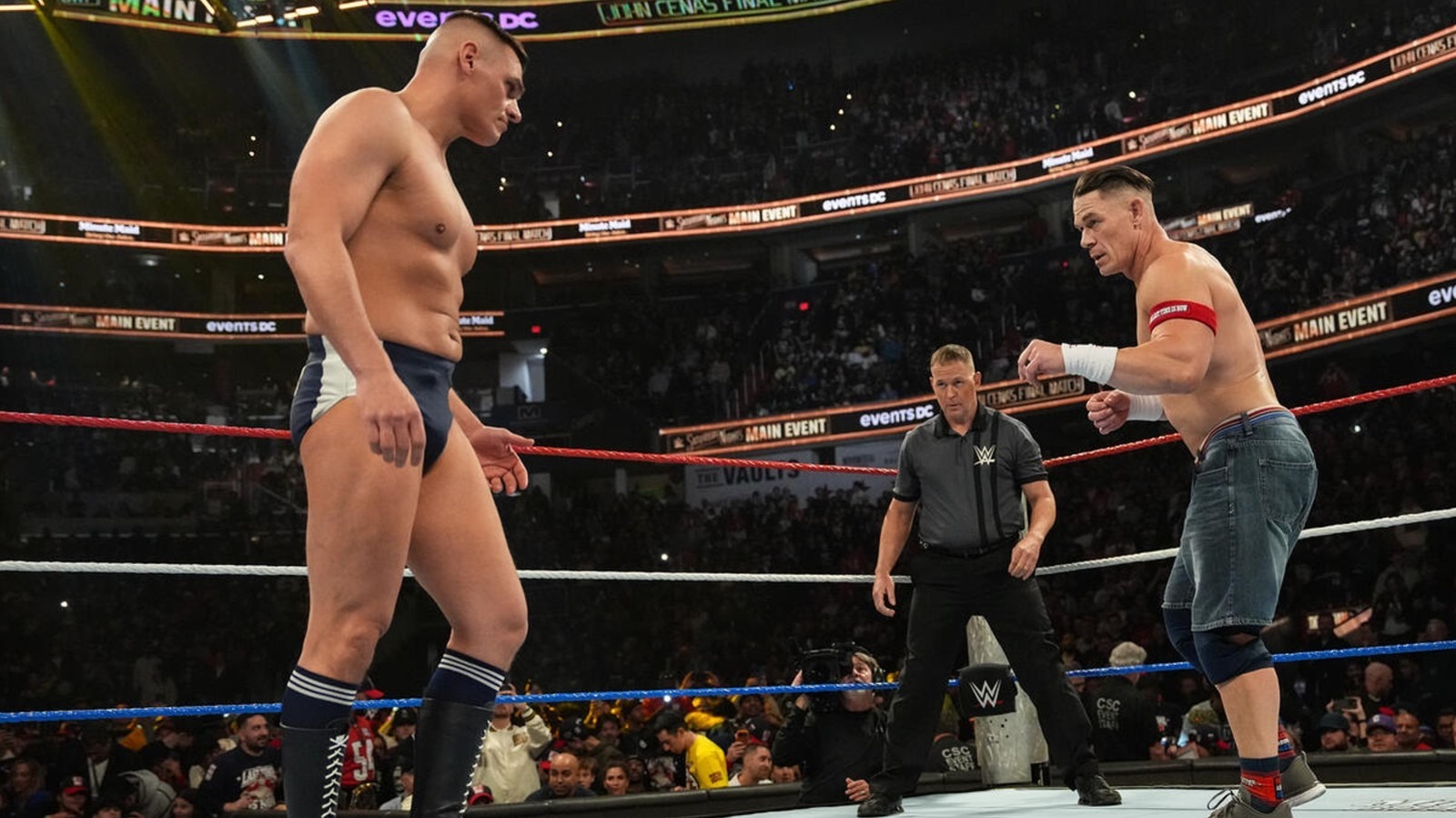
The aura emitted by John Cena during his final match at Saturday Night's Main Event was not merely a farewell to a veteran. For GUNTHER, who stood across the ring during that career-defining contest, the gravity of the moment signaled a formal transition in the promotion's power structure. As reported by Wrestling Inc, GUNTHER viewed the bout as the most rewarding moment of his career, a testament to how modern performers now define their success through the deconstruction of the old guard.
We are witnessing a shift where legacy acts are no longer protected by the ironclad infallibility of the 2000s. Instead, they serve as the ultimate proving ground. The wrestling fan experience has evolved from the era AJ Lee describes, where a young fan was so emotionally tethered to John Cena that they would openly curse a heel for daring to oppose him. That level of visceral, unscripted vitriol is becoming a relic of a more simplistic narrative cycle.
The fractured loyalty of the modern viewer
The current tribalism in the wrestling business is driven by the potential movement of stars between promotions. The Young Bucks recently stoked these flames during a livestream, teasing the arrival of The New Day in AEW. While such suggestions are often dismissed as routine internet chatter, they underscore a shift in fan sentiment. Loyalty is no longer locked into a single brand; it is tied to the personnel and the creative freedom they might find elsewhere.
This fluidity stands in stark contrast to the genuine, unfiltered reactions of past decades. R-Truth recently shared memories of his son witnessing the overwhelming fan support upon his WWE return, a moment that reinforces how deep-seated nostalgia can be for the established legends. Even so, the booking of these returns must be precise. Failing to balance the emotional resonance of a returning star with the push of younger talent results in stagnant television that ignores the changing demands of the audience.
Analyzing the booking discrepancy
Despite the high production value currently on display, there remains a disconnect in how some veteran returns are handled compared to the push of emerging talent. When a promotion leans too heavily on the goodwill generated by performers from the R-Truth homecoming model, it risks alienating fans who crave the technical evolution demonstrated by workers like GUNTHER. It creates a jarring shift in tone during a three-hour broadcast.
The risk here is not in honoring the past, but in refusing to let it settle into history. When a heel turn, such as the one AJ Lee recalled against John Cena, fails to trigger the same intense, organic engagement because the audience is too busy analyzing potential roster moves or contract statuses, the internal logic of the match suffers. We are no longer just watching a fight; we are watching a transaction. The meta-narrative has become more compelling than the bell-to-bell action, a trend that may eventually hollow out the stakes of these marquee events altogether.
Ultimately, the industry is balancing a precarious inventory. Bringing in new blood like The New Day or allowing legends to retire on their own terms are necessary maneuvers, yet the execution remains uneven. The 60-minute window of prestige programming needs more than just reunions to sustain interest in a 48-nation sports calendar climate where viewers have infinite alternatives. If the booking remains tethered to the names of the past rather than the mechanics of the future, the genuine, unscripted intensity of the crowd will continue to evaporate into the ether of the digital comment section.
WWE Encyclopedia of Sports Entertainment (4th Edition)
The definitive history of the ring, updated for the modern era.
Frequently Asked Questions
How do modern wrestlers define success in today's industry?
How has the fan experience changed since the era of John Cena?
What drives modern fan tribalism in professional wrestling?
What is the primary risk of relying on veteran wrestler returns?
Why does the internal logic of a wrestling match suffer today?
More Coverage
The Women's Title ladder match at SummerSlam is becoming an absolute cluster
4 minutes agoTop 10: Most Significant Wrestling Moments of 2026 Thus Far
24 minutes ago
Finn Balor versus Sami Zayn at SummerSlam has wrestling Twitter completely torn
24 minutes agoWhy the Colons are the most underrated tag team in WWE history
an hour ago
AJ Styles is officially done in the ring but he's not leaving WWE
an hour ago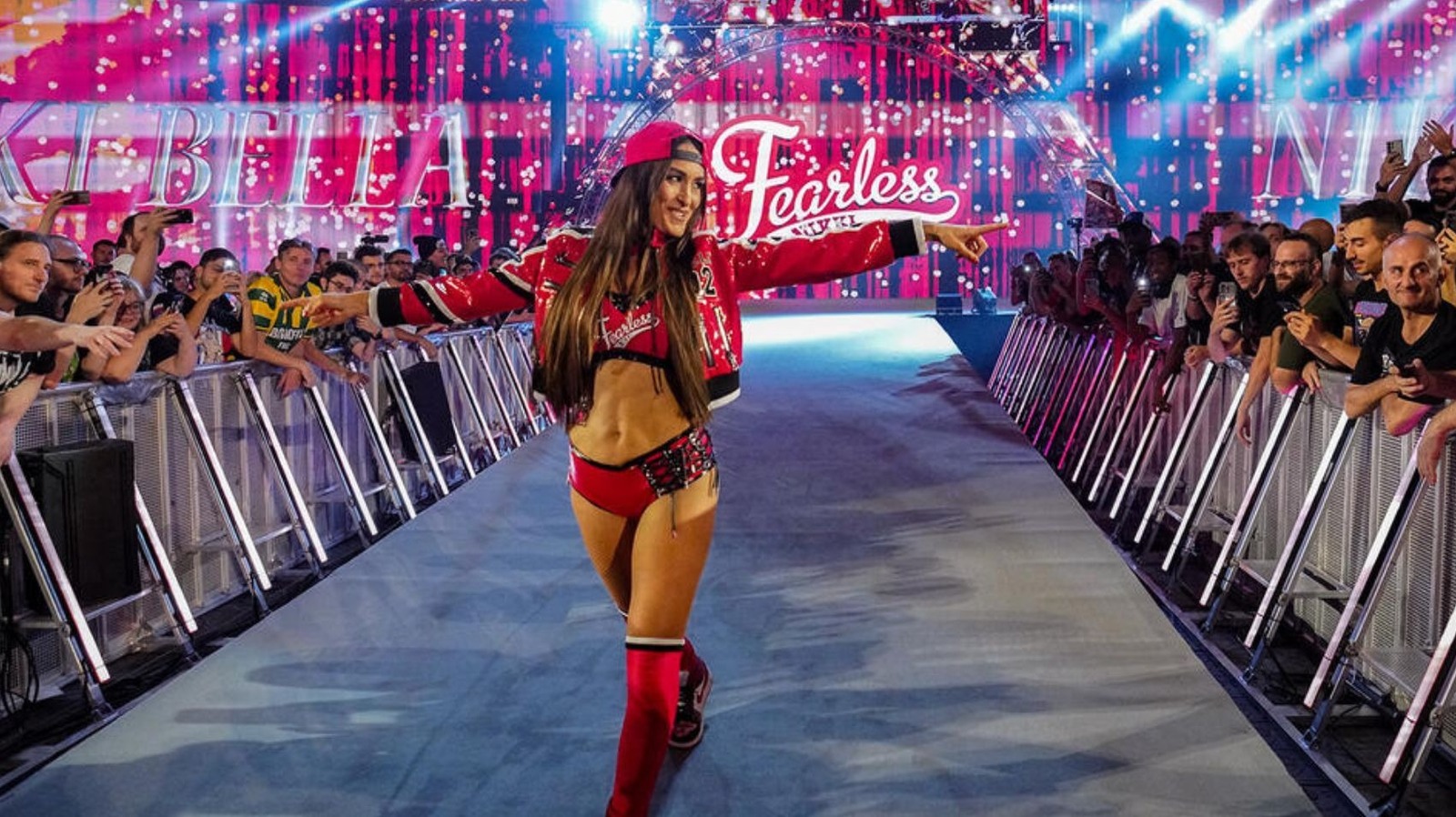
Nikki Bella is back for SummerSlam 2026 and wrestling Twitter is losing its mind
an hour agoMore Analysis
Top 10: The Moments That Defined Modern Wrestling
2 days, 11 hours ago
WWE gambles on nostalgia while AEW chases the old guard
3 months, 3 weeks ago
Professional wrestling is currently experiencing a jarring stylistic schism
1 week, 6 days ago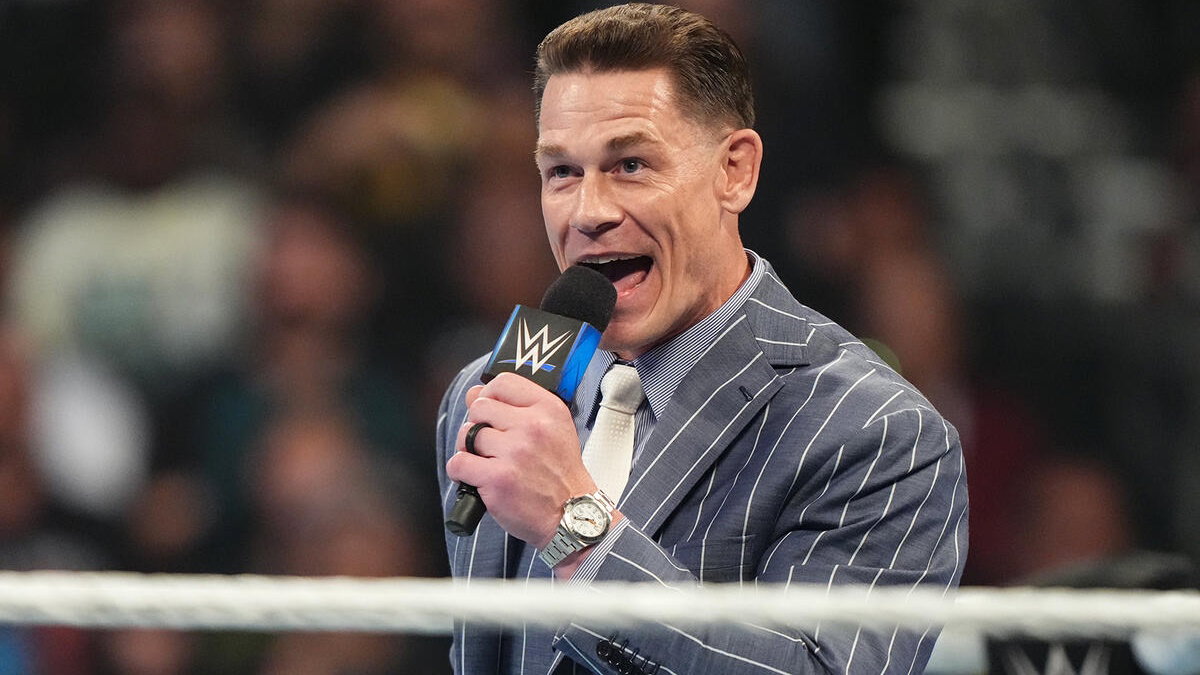
John Cena’s retirement marks the end of the full-time industrial era
1 month agoJohn Cena's Hollywood success proves WWE's old main-event booking is officially dead
1 day, 9 hours ago