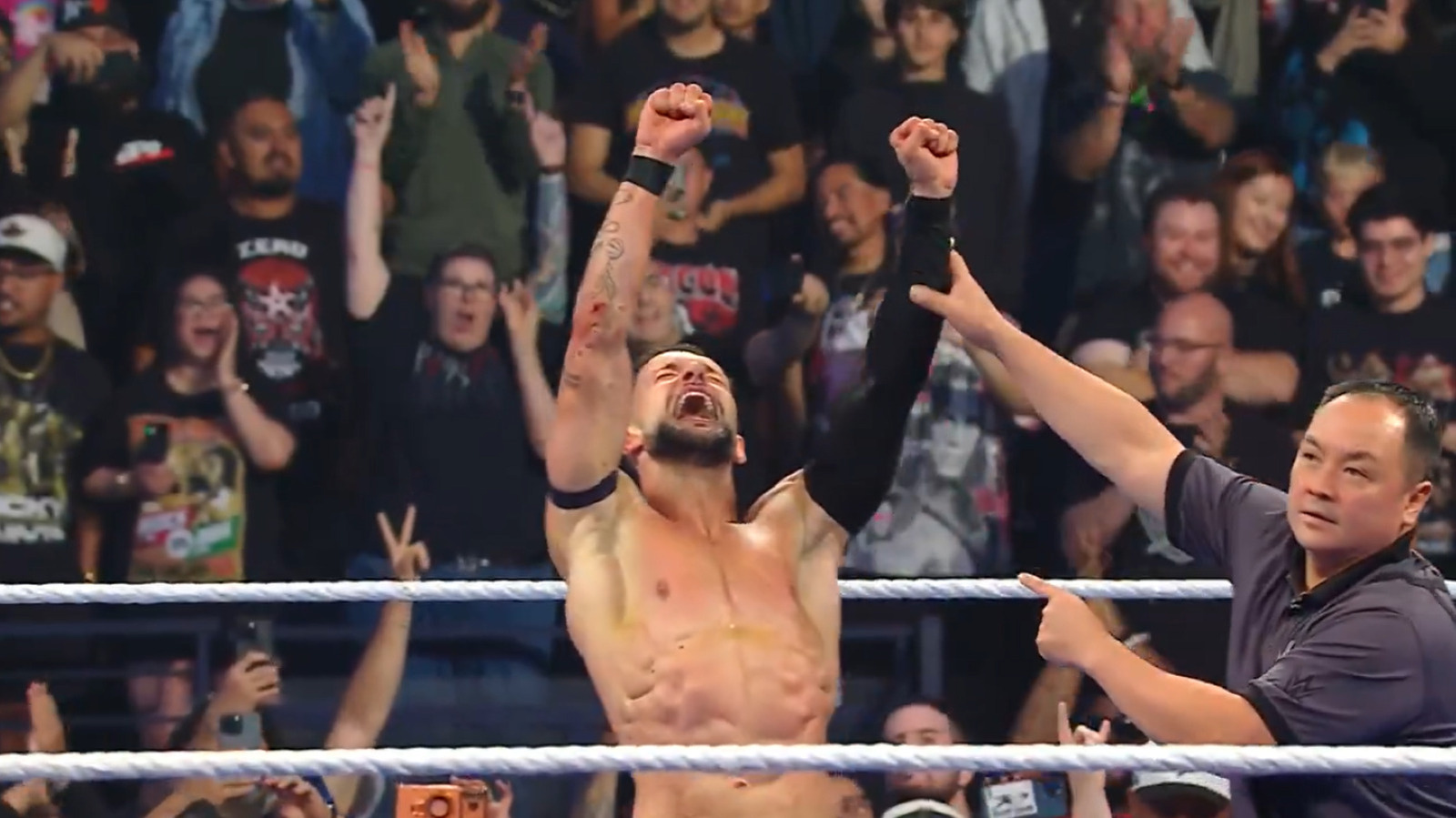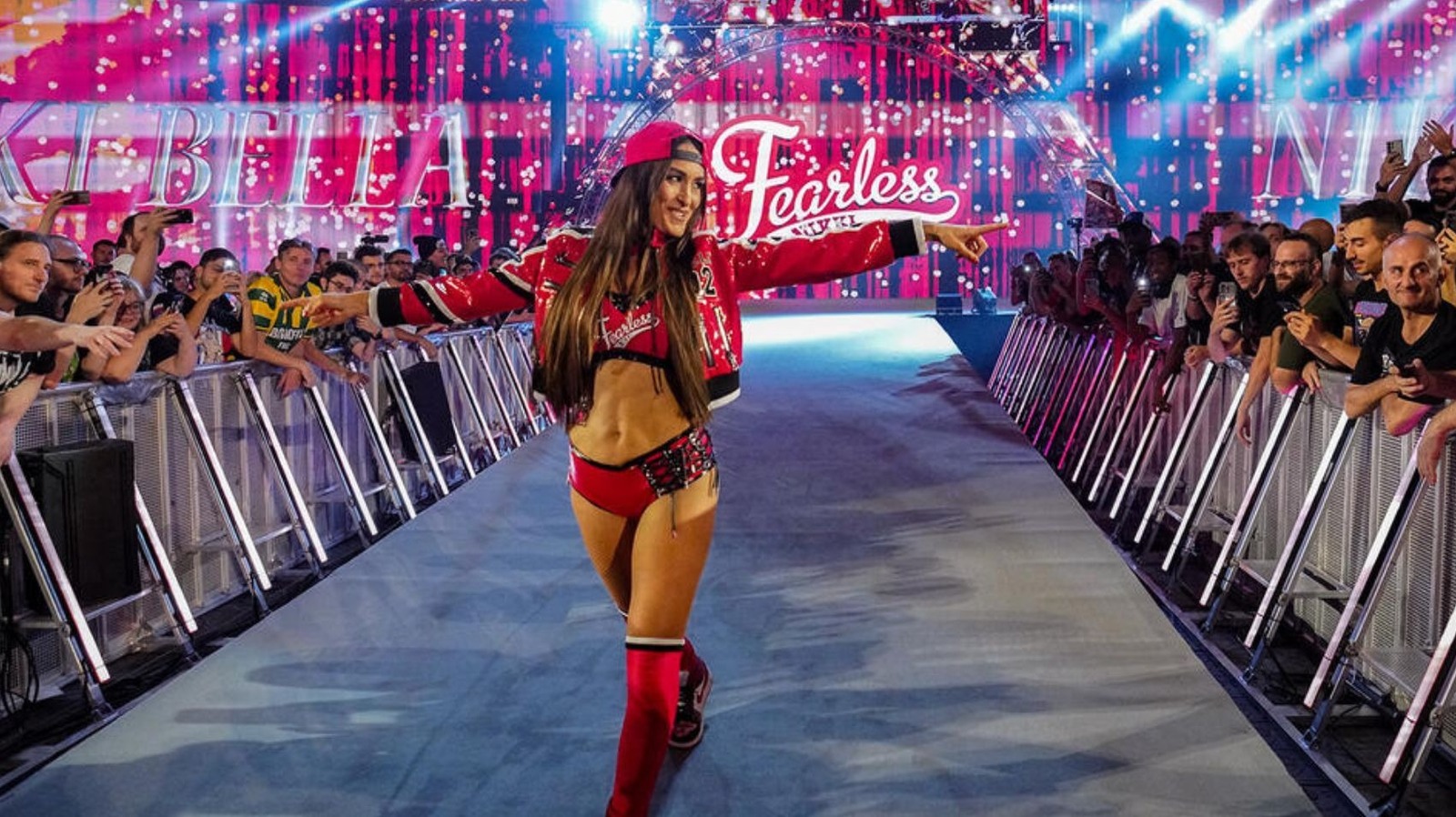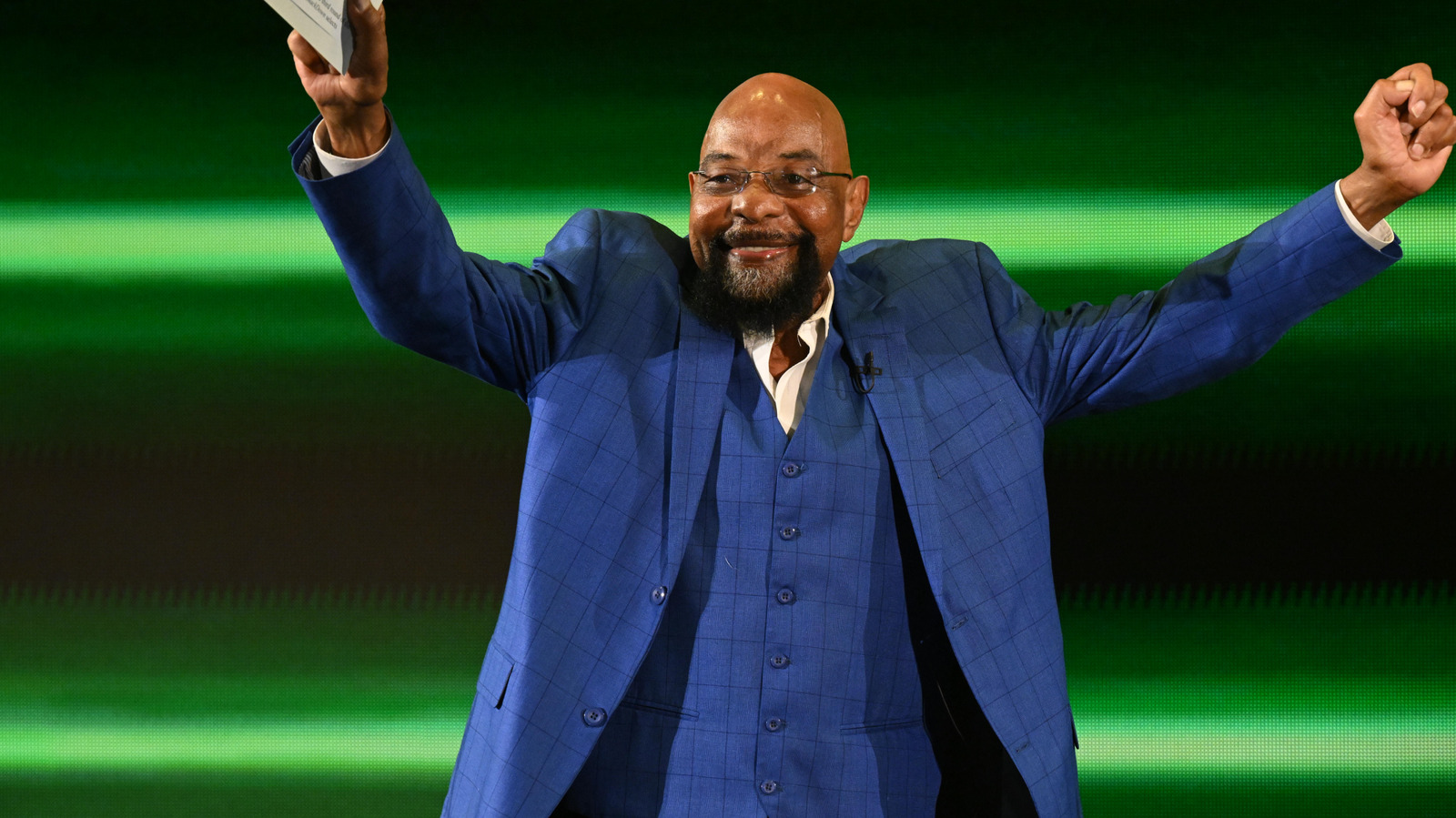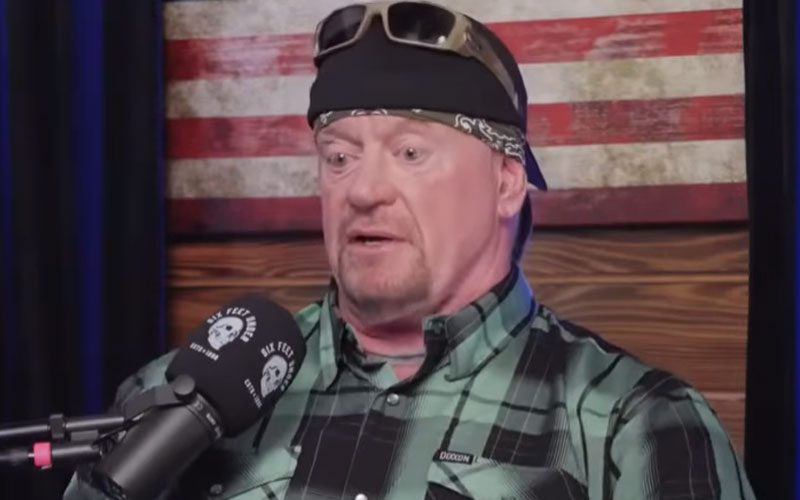
The front row is missing its anchor
This week’s television tapings carry an eerie weight. For decades, the broadcast aesthetic of professional wrestling has relied on the visual consistency of the front row. We track the action, the near-falls, and the heel turns, but we also rely on the human fixtures that occupy the space between the barricade and the hard camera.
The recent absence of Vladimir Abouzeide has been felt by anyone who pays attention to the framing of these shows. Reports from PWInsider confirm that the industry's most recognizable superfan has spent the last month in the hospital. It is a reminder that the performance is merely one part of a larger, rigid structure that is more fragile than it appears.
The churn of talent masking deeper issues
The roster management side of the product is currently suffering from a severe case of narrative whiplash. The confusion surrounding the departure of talent like Alba Fyre has left fans questioning the internal logic of the creative direction. As noted by F4WOnline, the lack of transparency regarding specific performer exits creates a vacuum that message boards are all too eager to fill with misinformation.
There is a recurring flaw in how these transitions are handled. When a performer is removed from the rotation without a clear exit angle, it undermines the investment made in their previous mid-card feuds. If a wrestler isn't booked for a clean finish in a high-stakes match, they become background noise rather than a credible threat. This lack of narrative closure is the single biggest impediment to building genuine stakes.
Predicting the impact on upcoming tapings
Physical health, both in the ring and in the audience, dictates the momentum of these weekly programs. Vladimir Abouzeide is reportedly home recovering, and while his return will stabilize the broadcast image, it won't fix the disjointed pacing of the mid-show segments. The pattern of rushing through established storylines has become a hallmark of the current era.
During the last two months, we have seen a noticeable decline in the quality of transitional storytelling. Matches are being allotted an average of 8.5 minutes, inclusive of ring walks and commercial breaks, which limits the ability of workers to build a compelling heat sequence. It is difficult to get excited for a pay-per-view when the weekly output functions as a series of disconnected vignettes.
Prediction: The creative team relies on a surprise return to mask this malaise, but they will fail to stick the landing. Expect a high-energy opening sequence that collapses under the weight of an overstuffed, three-hour script. My call is that the main event ends in a non-finish via interference, continuing a streak of 6 consecutive weeks where a definitive victory has been denied to the primary participants.