The Undertaker is right about the lost art of in-ring storytelling
The friction between choreography and psychology
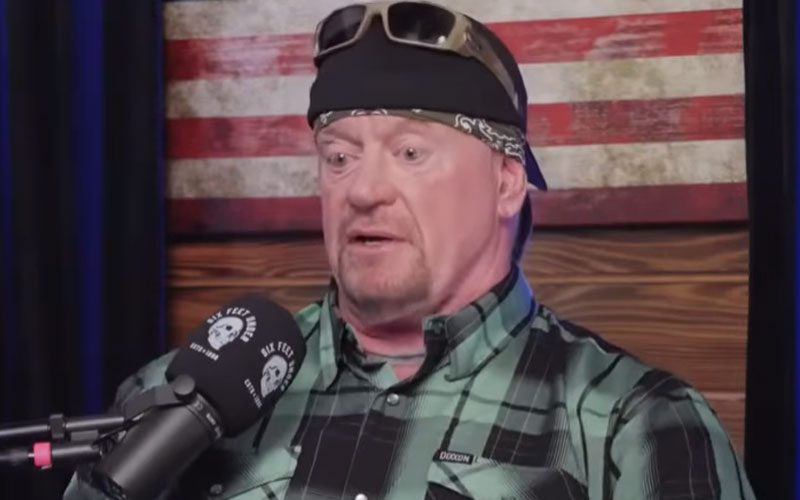
Wrestling often prioritizes the acrobatic over the psychological. From my perspective, watching the modern product feels like witnessing a high-speed highlight reel rather than a coherent narrative. The Undertaker recently touched on this tension, noting that overly scripted matches often hinder a performer’s ability to actually control the crowd during a live broadcast.
When every sequence is mandated by a producer’s notebook before the bell, the spontaneity that defined the business disappears. Real wrestling is about reading the room. If a talent is strictly focused on hitting a 450-splash at the 12-minute mark, they often fail to notice when the audience has completely disconnected from the heat of the match.
As The Undertaker has observed, today’s roster possesses unprecedented physical gifts. They are faster, stronger, and more flexible than their predecessors. Yet, these physical feats are frequently rendered meaningless when presented without the necessary rhythm or emotional stakes.
Evaluating the Reigns standard
The conversation regarding modern excellence inevitably leads to Roman Reigns. While discourse around him remains polarized, historical validation is beginning to take shape. Undertaker categorized Reigns as one of the most effective performers of the last 20 years during an appearance on Booker T’s Hall of Fame podcast.
This is a tactical endorsement. Reigns excels in the precise areas where most of the modern roster currently struggles: tempo, character work, and milking a crowd reaction. His matches are rarely just about the spots hit; they are about the aura he brings to the squared circle.
Compare this to the current mid-card clutter. We are seeing a 35% decrease in long-form, character-driven storytelling in favor of quick-fire exchange matches. This is a mathematical choice by promotions, but it is ultimately a flawed one if the goal is to build long-term emotional investment from the viewer.
The danger of over-scripting
The reliance on rigid, move-by-move scripting is the primary culprit in thinning the product. Every match starts to look identical. When there is no room for improvisation, the veteran instinct—the ability to slow a match down when the crowd is quiet or to speed it up when interest spikes—vanishes.
You see this in the pacing of the typical modern televised bout. Everything happens at high velocity, yet nothing feels significant. The Undertaker explicitly warned that this approach hurts the wrestlers themselves by removing their agency. A wrestler who cannot think on their feet is just a stunt person with a script.
There is also the issue of diminishing returns on high-impact spots. If you see a top-rope dive in the opening match, the impact of a similar high-risk maneuver in the main event is significantly diluted. This is basic conditioning, yet producers continue to ignore the exhaustion factor of the audience.
Refining the developmental process
Training academies should prioritize the economy of motion. Less often creates more impact. By stripping away the bloat of excessive choreography, wrestlers would be forced to actually learn the fundamentals of ring psychology, such as selling an injury or building toward a false finish that feels earned rather than programmed.
The current methodology of heavy scripting essentially functions as training wheels that never come off. If a wrestler is never allowed to manage a crowd without a producer’s interference, how are they supposed to command an arena of 20,000 people during a marquee event? They cannot.
We are witnessing a stagnation in character development because technical perfection has become the only metric that matters. Talent is told to hit their marks rather than find their voice. It is a sterile approach that sacrifices the soul of the industry for technical compliance.
To fix this, promotions must empower performers to take risks with their narrative pacing. If you let the story dictate the move, the match will inevitably improve. If you let the script dictate the story, you end up with the mechanical, hollow contests we see too often today.
WWE Jey Uso YEET Authentic T-Shirt
Join the YEET movement with Jey Uso's viral catchphrase tee.
Frequently Asked Questions
Why does The Undertaker criticize over-scripted wrestling matches?
What is missing from modern wrestling according to this analysis?
Why does The Undertaker praise Roman Reigns?
How does rigid scripting affect the individual wrestler?
What is the danger of using too many high-impact spots?
More Coverage

Cyndi Lauper belongs in the WWE Hall of Fame
2 hours ago
Top 10: Most Significant Wrestling Moments in Modern History
2 hours ago
Matt Hardy is betting the house on his next cinematic experiment
3 hours ago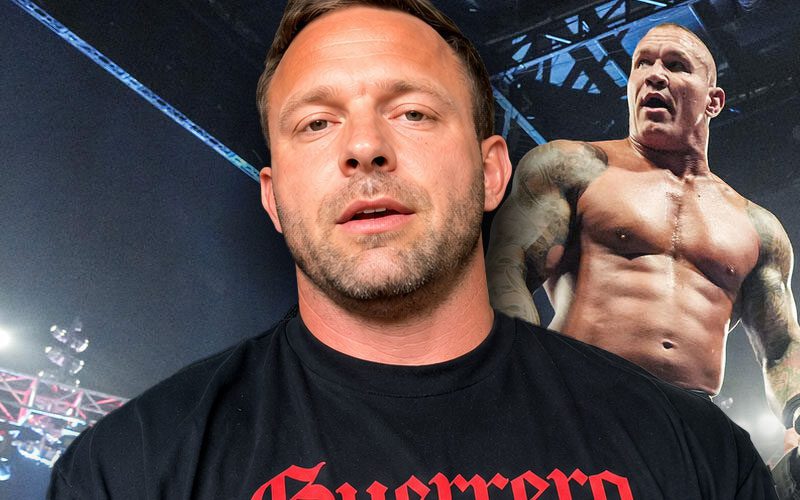
The IWC is absolutely spiraling over FTR and NXT's roster moves
4 hours ago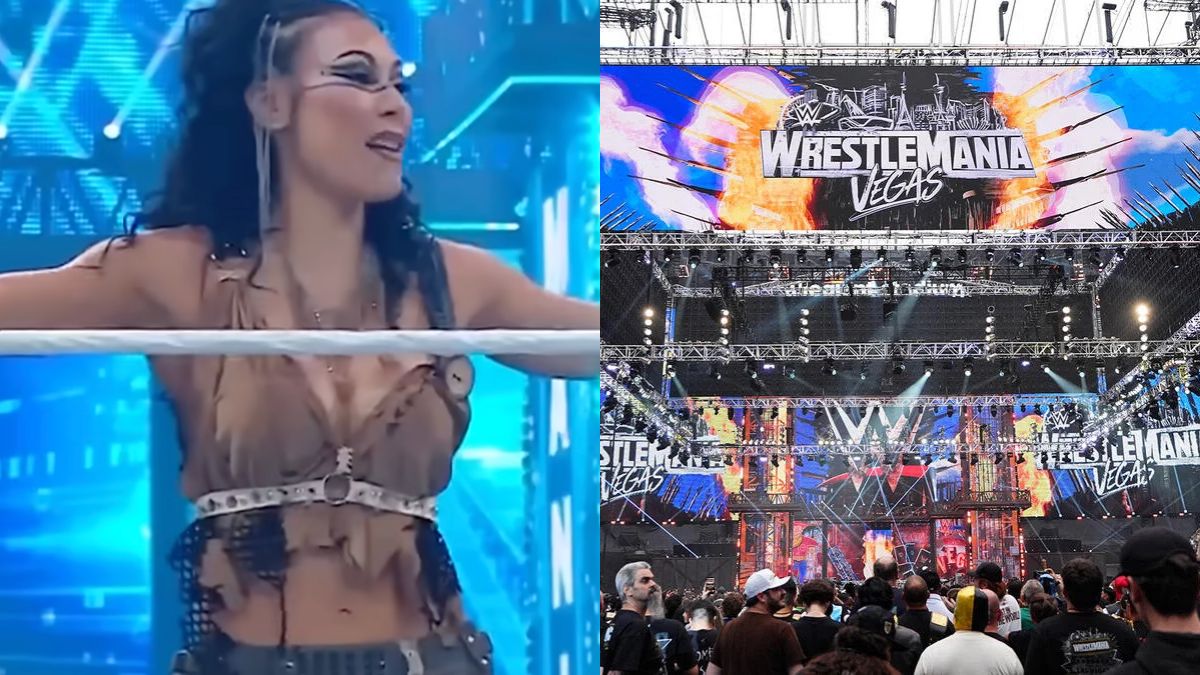
Michin opens up on the reality of fighting for a spot in WWE
5 hours agoLayla chose pride over a Playboy paycheck and she was 100% right
5 hours agoMore Analysis
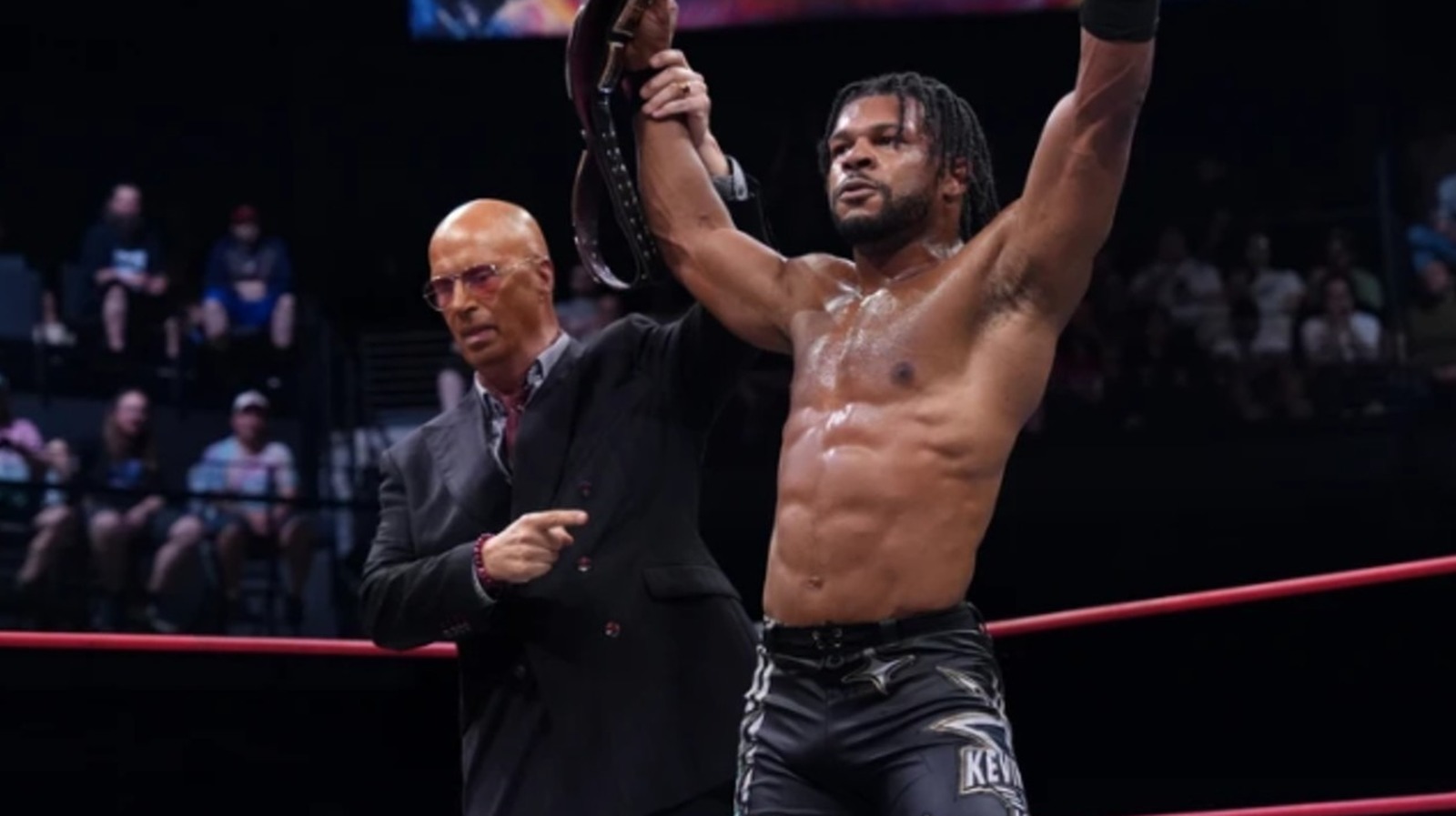
AEW Collision is hitting a speed bump that even a Texas oil rig can't fix
2 hours ago
AEW Collision's ratings dip reveals a problematic scheduling strategy
2 hours ago
WWE at the White House is a fever dream we all need to move on from
2 hours ago
Why Danhausen is becoming WWE's bizarre late-night golden ticket
2 hours agoMike Santana’s TNA return exposes a fundamental booking inefficiency
2 hours ago